
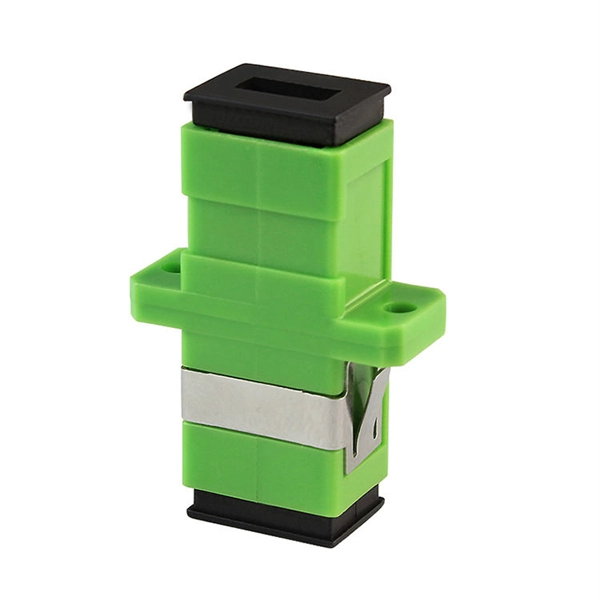
First, it is essential to find suitable premises since not every room can accommodate all the needed equipment, requiring careful consideration of the server cabinet layout and data center rack layout.
Open any access panels or flooring to expose hidden dampness. Maintain temperatures between 68–77°F and relative humidity under 60% during drying. Follow these precautions: Do not power on wet. As a designer, you want to give your customers outdoor weatherproof cabinets for electronics or electrical equipment. Learn how to minimize downtime and prevent long-term damage from water contamination in server environments. Whether caused by a burst pipe, flooding, or. If your business has a data center or server room, you understand that it's critical to maintain an optimal temperature and humidity level to ensure your equipment runs efficiently and safely. Without proper protection, these factors can result in costly downtime and equipment failure.
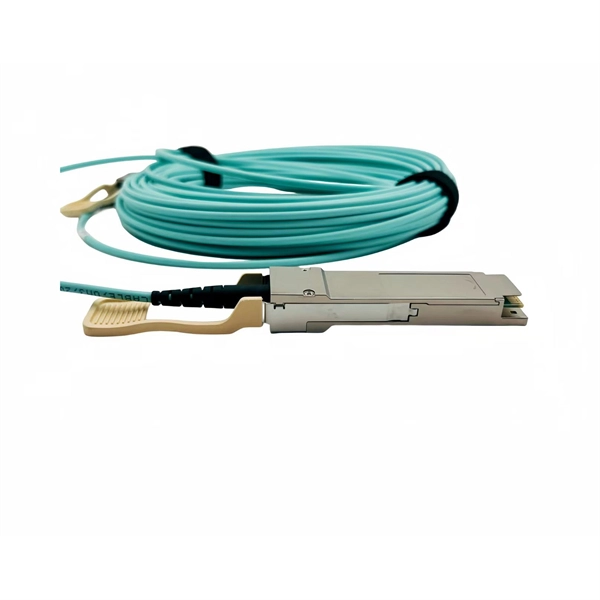
In data centers, it's best to use patch cables that are 1 meter or shorter. This guide gives you a repeatable method to plan patch cord lengths so racks stay maintainable. If you're still deciding panel type and rack workflow, start with How to. One possibility would be to have a long piece of cable, with an TJ-45 connector at one end, having marked distances for each "standard" cable length you have. This would allow you to find the distance needed with something having the exact properties of a cable, routed "properly" and would probably. What is the recommended Ethernet cable length for a particular copper network or how long can a network cable be? Generally speaking, Ethernet cables with RJ-45 modular plugs can have maximum length up to 100 meter before signals need regenerating via an Ethernet switch. Typically, patch. Use SFP+ DAC cables or fiber (LC-LC) for switch-to-switch uplinks instead of copper RJ45 patch cables for lower latency and heat. Avoid tight cable bundling with PoE++ loads.
[PDF Version]
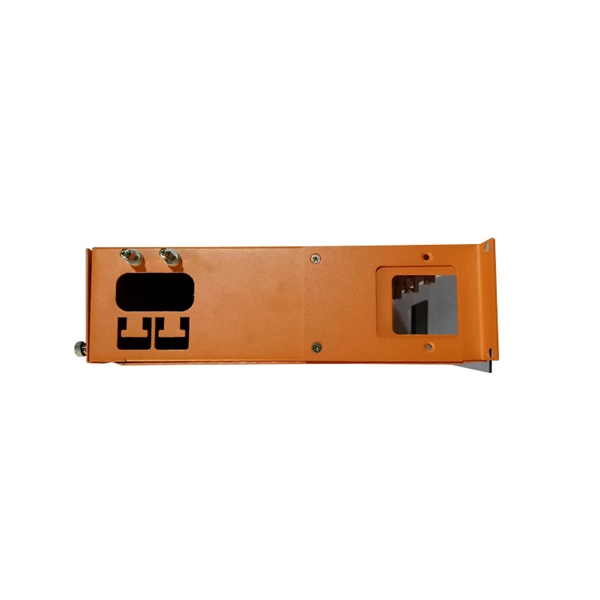
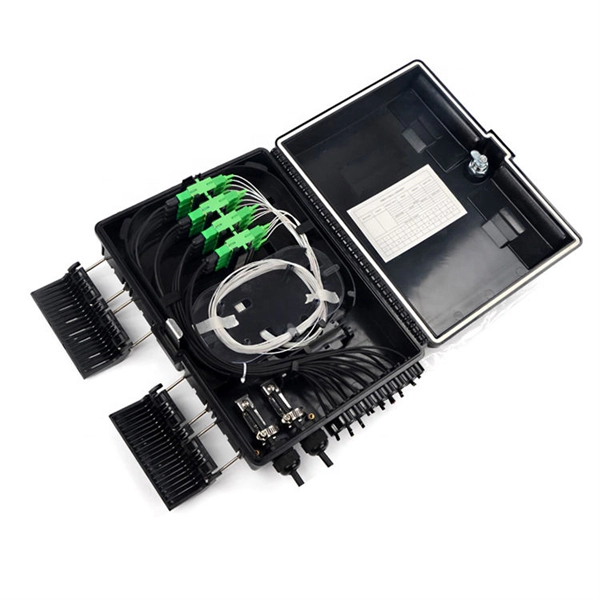
ODF series indoor optical fibre distribution box is used in the terminal access link of FTTH system,It is a device that splices, distributes, and splits optical fibres and provides protection and management of optical fibres. ODF series are standard 19 "rack mount chassis with. An ODF is a centralized platform designed for terminating, cross-connecting, and managing optical fibers. This lightweight rack is made of aluminum and has 19” or ETSI profiles that allow flexible height adjustment when you install an ODF system.
This guide explains smart rack cabling steps that work for homes and small businesses. Build a clean server rack that stays easy to manage, safe to touch, and ready. Written by Don Schultz, trueCABLE Senior Technical Advisor, Fluke Networks Copper/Fiber CCTT, BICSI INSTC, INSTF Certified All your permanent networking cable has been installed. What next? You get to “wire up” the head end of your installation. Essentially, that means the “server” rack. What Is A. It is an all-in-one cable management solution consisting of 24 retractable Cat. Our innovative system enables 10x faster installation & maintenance and thanks to our Patchcatch it also allows up to 50% more space. Why Bother With a Proper Rack? Why Bother With a Proper Rack? Sure, you can balance your router on a filing cabinet and. VEVOR 6U Wall Mount Network Server Cabinet, 15. 5" Deep, Server Rack Cabinet Enclosure, 200 lbs Max. At Cable Monkey we hold stock of a huge range or Data & Server cabinets. most available for next day delivery.
[PDF Version]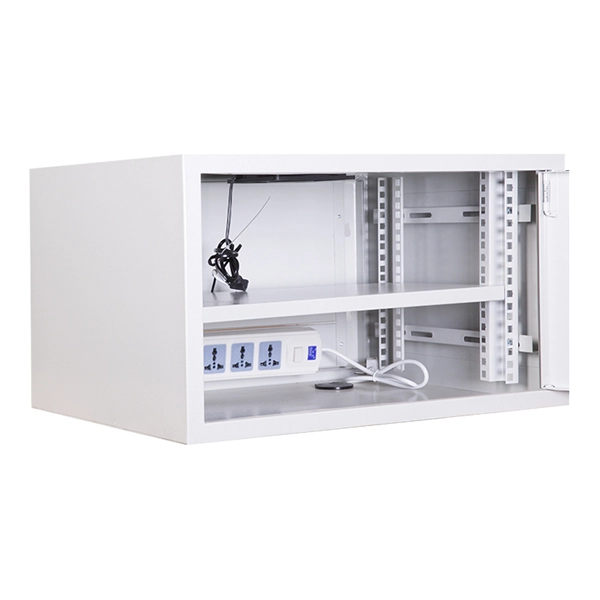
A server rack typically draws between 10-60 amps, depending on its power density, hardware type, and configuration. Kilowatt per rack (kW/rack) is the power assigned to a server rack in a data center. Always calculate amperage using P=V×I and consult. The power demands of server racks can be influenced by several factors, including the number and type of servers, networking equipment, storage devices, and other peripherals. The power requirements of server racks are typically measured in terms of voltage (V), current (A), and power rating. One of the critical parameters for running data centre operations is the kilowatt rating for the power usage at the server rack level. Having some understanding of your rack's power consumption allows you to balance your load, optimize your IT infrastructure, and ensure adequate cooling and power. To help, we have created a handy server rack power consumption calculator tool to help you. Using the steps below, you can see how we made these calculations and understand where the results in the Server Rack Power Consumption Calculator are coming from.
[PDF Version]
Networking equipment housed within the server rack should be installed in the upper portion of the cabinet to simplify cable management. Lightweight, rarely accessed equipment should be placed nearest th.
With several types available—OM1, OM2, OM3, OM4, and OM5—each offering distinct performance characteristics, selecting the right fiber can be challenging. This guide breaks down the key differences between these multimode fibers to help you make an informed decision. OM1 vs OM2 vs OM3 vs OM4 vs OM5, which to choose? You may get. ISO/IEC 11801 defines the OM1, OM2, OM3, OM4, and OM5 types of multimode fiber. That makes picking between single mode and multimode fiber optic cables an. There are several types of multimode fibers classified by the ISO 11801 standard, including OM1, OM2, OM3, OM4, and the recently released OM5 fiber. This blog post delves into the.
Most rack cooling systems utilise server rack fans or data rack fans that draw cool air from the front or bottom of the rack. They then exhaust hot air out the rear or top, creating a directed airflow path to dissipate heat efficiently. Choosing the right type of fans and positioning them properly allows data center managers to bring cool air in from. Learn how server rack cooling prevents overheating, boosts performance, and ensures reliability with expert tips and advanced solutions. High temperatures can damage CPUs, GPUs, and storage devices, leading to costly failures. Implementing effective rack cooling ensures:. Forced cooling enhances airflow using powered fans and blowers to push air across equipment. It's the most common method for modern data center racks. Ideal. A server rack must be cooled efficiently so that the data center infrastructure performs at its optimum level and lasts longer according to uptime guarantees.
[PDF Version]
At the heart of server rack cooling is a basic principle: heat moves from hot to cold. This process, called thermal transfer, is how your equipment gets rid of excess heat. Rack mount equipment generates heat as a result of the processes it completes; the amount of heat a piece of equipment dissipates is approximately equal to the total electrical power delivered to it. This heat is absorbed by the ambient air in the server, and removed by airflows generated by fans. Because data centers are high-density enclosed spaces that generate a significant amount of heat, traditional comfort cooling systems can't remove enough heat to protect the critical equipment. Additionally, well-managed heat control helps systems consume less power. IT system energy efficiency. Whether you're operating industrial automation systems with electrical switchgear or high-density data servers in server racks, effective temperature management is crucial for long-term performance and equipment longevity.
[PDF Version]Contact us for competitive quotes on any of our power communication and smart grid products
Get a Quote