
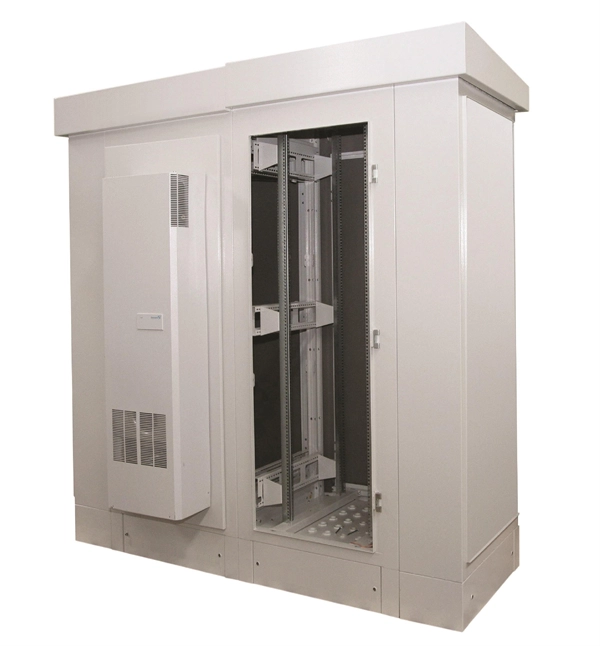
Patch panels serve as the backbone of structured cabling systems, providing a centralized point for organizing and connecting network cables. In a data center, cross-connection refers to the use of additional patch panels that mirror the ports of connected equipment, essentially creating a separate patch area where any equipment port can be connected to any. The patch panel and Ethernet switch play pivotal roles in connecting all devices within a data center. Below is a front and back view of an installed patch panel. It also organizes devices that comprise a network by managing the flow of incoming and outgoing data through its ports to various servers and switches. Each of its ports is associated with a distinct cable. Poor patch panel cable management doesn't just make racks look messy — it silently drains operational budgets through extended MTTR (Mean Time To Repair), thermal inefficiency, and failed audits. This guide distills field-tested techniques from hyperscale deployments and enterprise campuses.
[PDF Version]
Cable trays are mechanical support systems that provide a rigid structural system for electrical cables, raceways, and insulated conductors used for electric power distribution, control, signal instrumentation, and communication. Normally, these cable trays are used in the industries.
Calculate the necessary length of material to form elbows, considering the inner radius and degree of the bend to minimize material stress. The method for producing bridge bend elbows is as follows: Take a 90-degree cable tray bend elbow as an example, and apply the same principles for 45-degree bends accordingly. The length of the bottom side (bottom diagonal) after bending the cable tray should be equal to the width of the cable. This manual is designed to guide workers through the detailed production process of ladder cable trays, including the manufacture of horizontal elbows, tees, crosses, reducing bends, and vertical bends, with emphasis on precision, safety, and quality control. A rung spacing of 6 to 9 inches (150 to 230 mm) is preferable when the cable tray cont d for instrumentation and control applications that require additional protec eferred to support and protect numerous small. Unitray Systems Inc. is an Edmonton based company dedicated to excellence in the manufacturing of electrical ladder tray.
[PDF Version]
Ask ten buyers about cable tray cost, and most of them will point to the rate per meter. The real cost shows up later, during installation, during upgrades, and during the first. Wireways and cable trays price structures are dominated by material costs, which account for 60-70% of total project expenses. Steel wireway systems typically fall in the $8-20 per foot range, while aluminum variants command premiums of $12-30 per linear foot due to corrosion resistance properties. That number matters, but it's rarely the one that decides whether a project stays within budget. Whether you're planning a big new build, renovating an existing space, or designing something really specific, understanding how to get precise and timely cable tray costs is key. I'll walk you through how to nail down those prices efficiently, keeping things simple and straightforward.
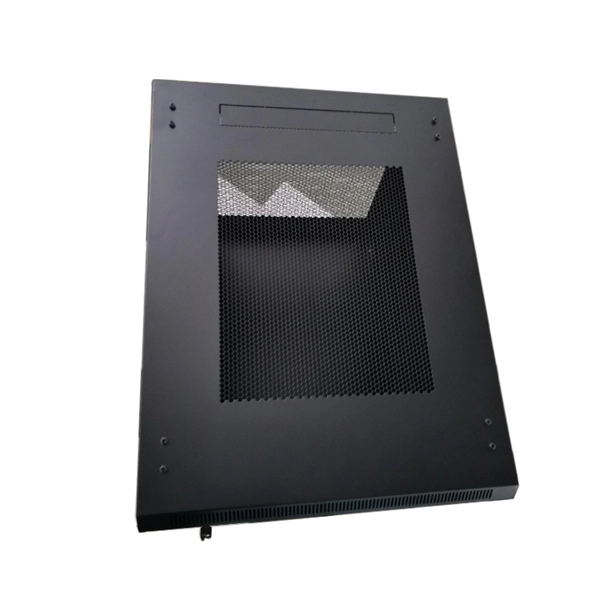
From material selection to mounting techniques, routing strategies, and best practices — this walkthrough gives you a real-world look at how we execute efficient, safe, and scalable cable tray systems in industrial environments. 📌 What You'll Learn: ✅ Importance of cable. Whether you're building a commercial setup or upgrading an industrial plant, proper cable tray installation ensures neat wiring, safe access, and easy maintenance. This guide breaks down the process step by step. en completely installed, without damage either to conductors or structural system use maintain spacing or to keep cables in place when the tray is ect the minimum bend ra-dius for cables as they exit the bottom of the cable tray. The process described here takes a systematic approach to ensuring that cable tray installations meet safety, reliability, and project-specific needs while following to. The purpose of this article is to define the sequence and methodology for the installation of electrical cable trays, cable trunking, cable raceways and boxes, junction and pull boxes.
[PDF Version]
Regular Inspection and Maintenance: Implementing a regular inspection and maintenance schedule is crucial for detecting corrosion early and taking preventive measures. Inspect cable trays for signs of rust, pitting, or deterioration, especially in areas susceptible to. An aluminum alloy cable tray solves these challenges by combining lightweight construction, high strength, excellent corrosion resistance, and thermal management capabilities. Corrosion can weaken cable trays, leading to failures that disrupt operations and pose safety risks. tant in a wide range of environments, and easily formable (Appendices II and III).
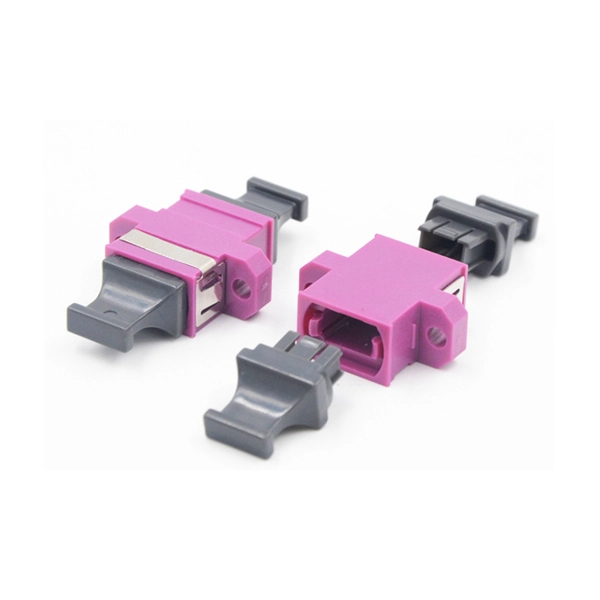
When cable trays pass through walls or floors, seal openings using fire-rated penetration sealing materials. Do not modify or damage the tray coating or structure during use. Cable penetration seal up to EI 120 for rigid walls, rigid floors and flexible walls. These steel frames are. the roxtec sealing system for cables and pipes protects against fire – but also against gas, water, and several other risk factors.
Cable trays are ideal for high-volume runs in open spaces where ventilation is key, while trunking suits areas that demand a clean, enclosed, and modular layout. For environments exposed to moisture, dust, or physical hazards, conduits offer unmatched protection and. ABB designs and manufactures cable tray systems, including perforated tray, cable ladder, channel tray and strut (metal framing), directly from production facilities in Canada and Saudi Arabia. Combining local manufacture and distribution with an extensive product range, these facilities ensure we. Cable trunks provide an enclosed, often sealed pathway, offering maximum protection, whereas cable trays feature an open design that prioritizes ventilation and easy access. This core difference impacts everything from installation to the type of cables they can safely manage. The Distance Between Supports 6.
[PDF Version]
National Electrical Code (NEC) Article 392 (USA): This code provides comprehensive guidelines for cable trays, including requirements for cable types, fill capacity, support methods, and spacing., is a welded wire-mesh cable management system made of high-strength steel wire. The selection of material and finish is a function of the environment in wh tant in a wide range. us-trations without notice. Ensures tray stability and prevents stress on cables at turns. Prevents shifting, maintains order. Keeps cables tidy; may not be necessary. The International Electrotechnical Commission (IEC) is the leading global organization that prepares and publishes International Standards for all electrical, electronic and related technologies. Please make sure. In case of high power use, to meet the demand of currentAnd in order for the current to be carried at the demanded high powers to be met, the method of parallel connection of the cables can be selected.
[PDF Version]
Safety: Cable trays reduce the risk of cable damage, electrical shorts, and fire hazards by keeping cables organized and elevated. Efficiency:. The Cable Tray Institute (CTI) was founded in 1991 to support the cable tray industry by engaging in research, development, education, and the dissemination of information designed to promote, enhance, and increase the visibility of the industry. This robust cable management system features a continuous bottom surface with raised sides, creating a protective. association representing the major electrical equipment manufac-turers in the U. The Cable Tray ng standards, performance standards, test standards and application in this document have been tested extens ompetent professional en completely installed, without damage either to conductors or. Cable tray (or cable ladder) systems are a popular alternative to electrical conduit systems, as they have an outstanding record for dependable service, design flexibility and cost savings in commercial and industrial applications. Ladder Type: The strongest design, featuring side.
[PDF Version]Contact us for competitive quotes on any of our power communication and smart grid products
Get a Quote