
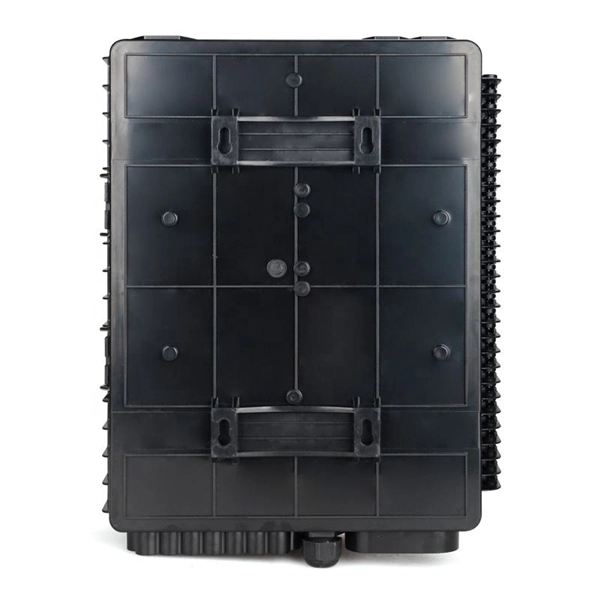
Class 1 Division 2 (C1D2) enclosure requirements outline how an enclosure must perform to safely operate in areas with explosion risks. These requirements are defined by NEC Article 501, UL 1203, and CSA C22. Below are the key design considerations:Ex Industries (exindustries) is a global supplier of advanced hazardous area solutions, offering a wide portfolio of certified products including explosion proof electrical boxes, explosion proof junction boxes, explosion proof lighting, intrinsically safe barrier systems, explosion proof cables. These enclosures are specifically designed to protect electrical components in locations where flammable gases may exist only under abnormal conditions. They are designed to contain internal explosions and prevent ignition of surrounding flammable gases or dust. Class: The general type of hazard present. Group: The specific type of. This section covers the requirements for electric equipment and wiring in locations that are classified depending on the properties of the flammable vapors, liquids or gases, or combustible dusts or fibers that may be present therein and the likelihood that a flammable or combustible concentration.
[PDF Version]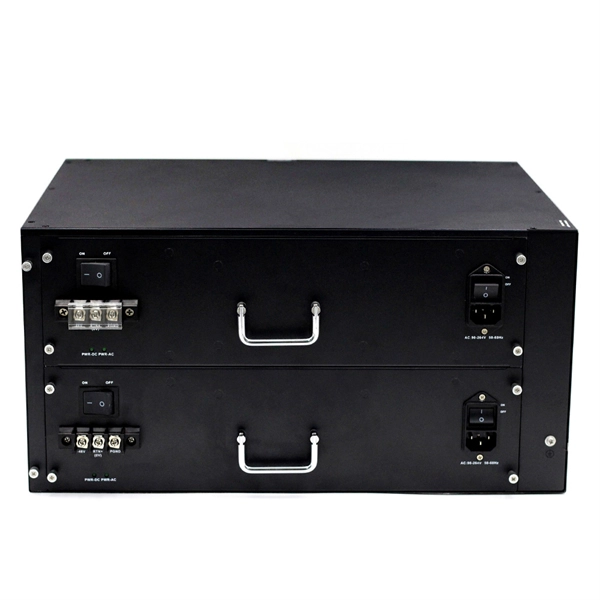
The metal box of the distribution box, the electrical installation board, and the metal base and casing of the electrical appliances in the box must be grounded. The protective neutral wire should be reliably connected through the terminal board. Are you expecting any of those 6 switches will require a neutral connection? @RobertChapin Does not. But it does require panelboard with a neutral that has more than 10 percent of its overcurrent devices rated 30 amperes or less to be protected against overcurrent by a device that has a rating not greater than that of the panelboard. It includes isolator, RCCB (Residual current circuit breaker) or RCD (Residual-current device) devices, protective fuses or MCB's (Miniature Circuit Breaker).
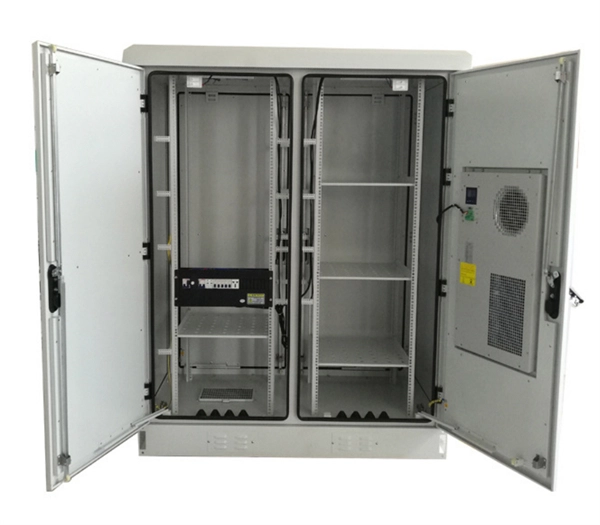
A high-voltage junction or distribution box manages the battery's outgoing high-voltage paths. It brings together busbars, disconnect strategies, current handling, charging interfaces and protection components in one pack-side assembly. The OBC is the interface between the car and the public grid. It converts the energy from the network grid AC (Alternative Current). These boxes are pretty important—they help manage electrical flow and keep your equipment safe from overloads or faults. So, picking a sturdy and reliable one isn't just about peace of mind; it can actually make your operations run smoother and safer. Here's a little tip: start by checking the. High voltage distribution box is the control part of EV power supply, which has the functions of power distribution, current measurement, short circuit protection, charge and discharge control, pre-charging, manual emergency stop and insulation testing port. Features: 1) quick dial connector and. A high voltage box, often referred to as a high-voltage distribution cabinet, is an essential component in containerized energy storage systems.
[PDF Version]
It's also a good idea to invest in a stud finder before you start any sort of project that involves drilling into walls. A stud finder will help you locate studs, which are the vertical beams that frame and support your h.
26 mm 2 (10 AWG) ground wire must be used, and in all other markets a 6 mm 2 must be used. **Connect the ground wire**: Connect one end of the insulated copper wire to the grounding grid and lead the other end into the distribution box and connect it to the ground bus bar of the distribution box. Connect electrical service boxes to grounding rods. Electrical wire is designed to conduct current from a. Grounding an electrical panel is an important step to keep your home and family safe. You'll learn. Power from factory ground must be installed by a qualified electrician.
The basic converter box is passive and does not communicate back to the carrier. It simply tunes to one of the channels being transmitted together over the wire and re-transmits it to a television or other video device on. An addressable cable box is one that can be controlled by the local cable company. is the process by which (optionally encrypted) messages are sent from the cable provider for a particular cable box v.
Contact us for competitive quotes on any of our power communication and smart grid products
Get a Quote