
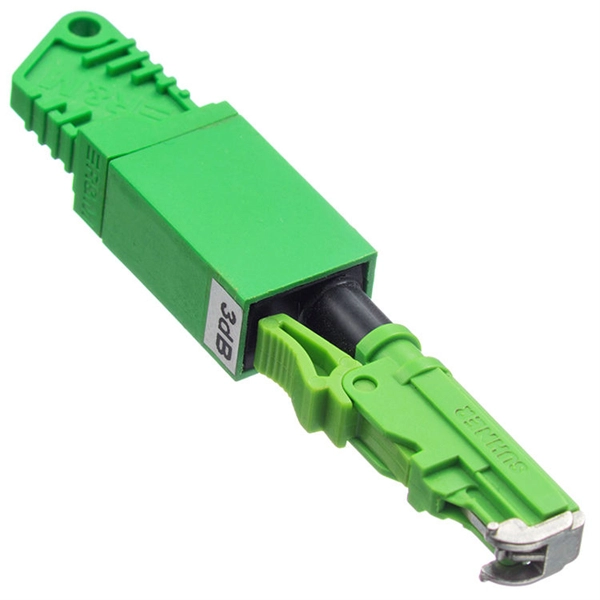
To troubleshoot this problem, you need to inspect the connectors visually and use a power meter or an optical time-domain reflectometer (OTDR) to measure the optical power and attenuation at the FDC. If you find any loose or damaged connectors, you need to tighten them or replace them with new. Problems within a fiber link can occur due to a wide variety of reasons. Always follow safety rules and ask an expert for help to fix things. When issues like signal loss, slow speeds, or intermittent connectivity arise, systematic troubleshooting is key. This guide will walk you through diagnosing and resolving common fiber network issues efficiently. Knowledge of. Whether you're facing a complete cable break or troubleshooting performance degradation, we will equip you with the knowledge to understand, diagnose, and address fiber optic cable damage or know when to call the professionals. Have a network installation project? When you've located the damage.
[PDF Version]
DFB and EML laser chips, along with PIN and APD detector chips, are commonly used in fiber optic communication systems to ensure reliable and efficient signal transmission. They are responsible for generating laser light, which is then modulated to carry information. There are different types of laser chips, including: VCSELs Vertical-Cavity Surface-Emitting Lasers (Vertical-Cavity. For the design and manufacturing of fiber optic transceivers, the choice of packaging methods and optical chip types is one of the key factors. But what. A photonic integrated circuit (PIC) or integrated optical circuit is a microchip containing two or more photonic components that form a functioning circuit. This article will explore the.
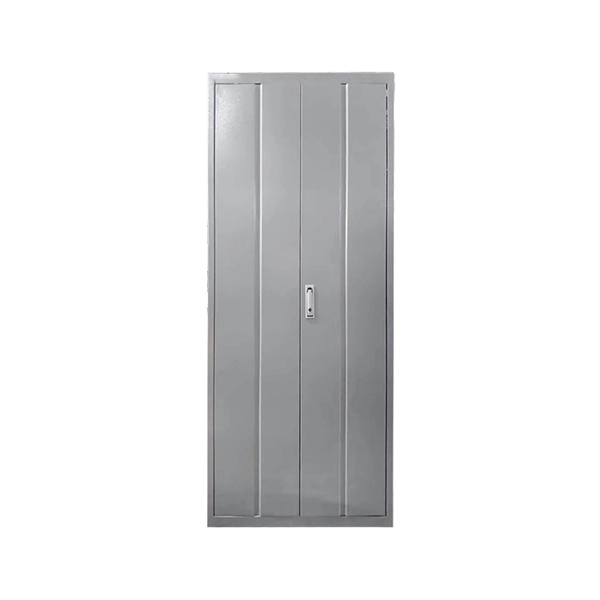
For many commercial applications, standard molded-case circuit breakers (MCCBs) with typical voltage ratings up to 480V AC and interrupting ratings ranging from 10kAIC to 65kAIC are often used. These are found in distribution panels supplying office floors, retail stores, and. Unlike standard residential breakers, MCCBs are designed for high-power industrial and commercial applications, offering adjustable protection settings and high breaking capacities in accordance with IEC 60947-2. An incorrectly selected MCCB can lead to nuisance tripping, equipment damage, or. Choosing the right size and setup for your distribution box keeps your electrical system safe and working well. The 125% rule for continuous loads is critical – a breaker must be rated 25% higher than the continuous load current. 2 A in ambient air at 60°C (see Figure H39). To allow for mutual heating in the enclosed space, however, the 0. 5 A, which is. Proper breaker sizing protects your electrical circuits from dangerous overcurrents while ensuring your electrical loads receive adequate power to function correctly.
[PDF Version]
An increasingly common special-purpose OPM, commonly called a "PON Power Meter" is designed to hook into a live PON () circuit, and simultaneously test the optical power in different directions and wavelengths. This unit is essentially a triple power meter, with a collection of wavelength filters and optical couplers. Proper calibration is complicated by the varying duty cycle of the measured optical signals. It may have a simple pass/ fail display, to facilitate easy use by operators wit.
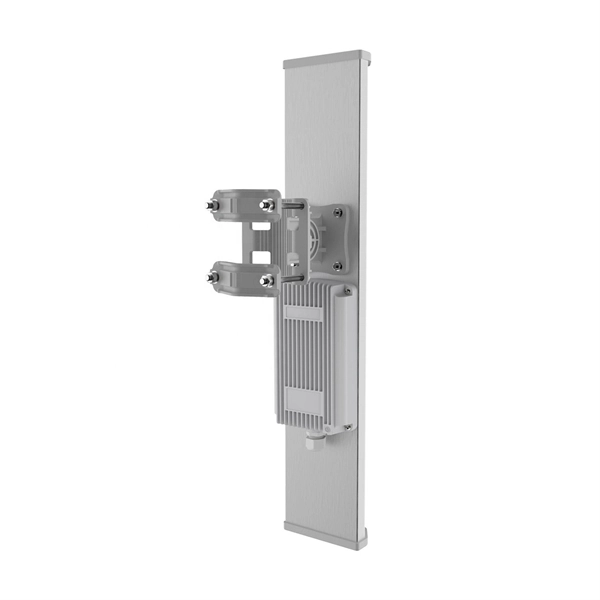
An electrical enclosure is a protective box or cabinet designed to house switches, circuit breakers, wiring, and other vital electrical components. You'll find them on walls, floors, or even mounted on machinery. Also known as an equipment room or server room, a Wiring Closet is a dedicated space, typically on each floor of a multi-floor building, housing critical networking hardware. By sealing off live parts, enclosures keep dust, moisture, and curious fingers safely. Electrical cabinets are boxes that hold electrical parts like wires, switches, and breakers. They help keep these parts safe and tidy. These systems combine the durability of wire shelving with the mobility needed to adapt to changing workflows, helping businesses maximize. Telecommunications enclosures are structures protecting sensitive equipment from environmental factors, ensuring seamless operation in public and private telecom systems. Without them, our increasingly connected world would face disruptions in communication.
[PDF Version]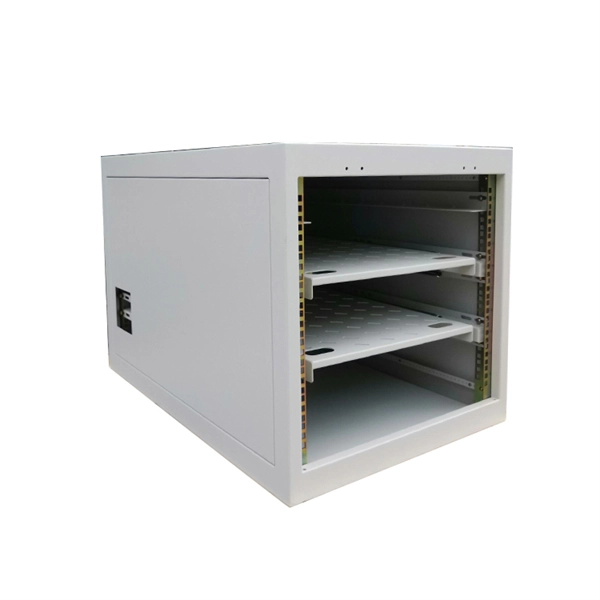
By using WDM and advanced SFP transceivers, you can extend multimode fiber's distance limits, achieving path lengths up to 2 km for Gigabit Ethernet, far beyond standard limits. This characteristic makes MMF ideal for high-bandwidth applications over relatively short distances. Exceed it and you get bit errors, dropped packets, or total signal loss — no warning lights, no graceful degradation. The ceiling depends on the fiber grade, the data rate, and the real-world losses in your cable path. However, understanding the distance limitations of multimode fiber is crucial for ensuring that. The distance that a signal can be transmitted over a multimode fiber cable depends on the type of cable and the data rate of the signal. The "OM" (Optical Mode) classification system is used to differentiate between different types of multimode fibers based on their capabilities.
[PDF Version]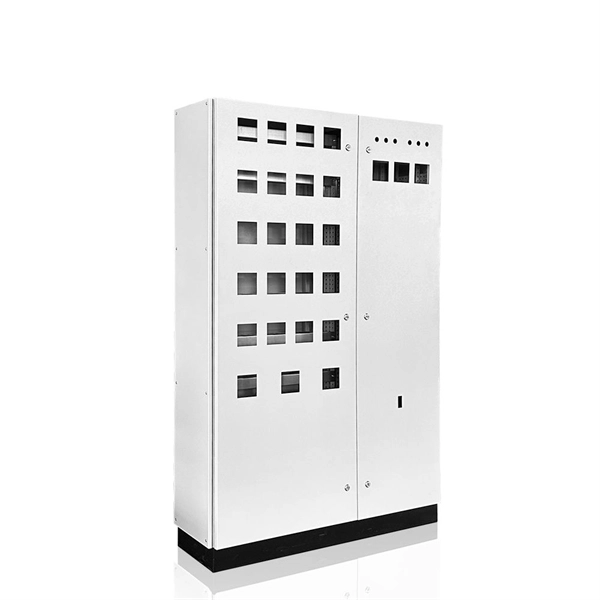
Operating at the physical layer of the OSI model, optical modules are core devices in optical fiber communication systems. Just as data centers begin their transition to 400G and 800G, the bar is rising towards the next evolution of 1. 2T, with the same demands for high performance and low power with minimal financial impact. They are. As an essential component of optical fiber communication, optical modules are optoelectronic devices that facilitate the conversion between optical and electrical signals during the transmission process. With the goal of promoting worldwide compatibility of optical internetworking products, the OIF actively supports and extends the work of national and international standards. But the industry isn't stopping there— 800G modules are already in production, 1. 6 terabits per second) is on the cusp of commercialization, and 3.
The metering module converts the collected data into electrical energy values (in kWh) and records user electricity consumption. These systems enhance transparency in energy consumption and help identify inefficiencies or anomalies in real time. They support digital energy transition by integrating with cloud-based platforms and. Smart metering provides real-time insights into electricity, gas, heat and water usage, helping both consumers and service providers optimize energy management. But what exactly is smart metering? How does it work? And how can converters (also known as transmitters) transform your existing meters. What Are Key Components of a Smart Meter? Smart meters monitor energy use in near real-time, enabling informed decisions for sustainability and improved grid management. A smart meter represents a significant upgrade over traditional analog meters. Instead of simply measuring total energy. A smart meter is an electronic device that records information—such as consumption of electric energy, voltage levels, current, and power factor—and communicates the information to the consumer and electricity suppliers.
[PDF Version]Contact us for competitive quotes on any of our power communication and smart grid products
Get a Quote