
This document describes how to check the switch interface or port status and how to locate an interface physically down fault and restore the interface to the up state. Hardware failures: include hardware. Problem: All optical ports cannot be connected, and the indicator lights are not on. Perform a. HUAWEI S Series Switch-Handle an Optical Interface's Failure to Go Up video provides guidance on how to handle an optical interface's failure to go Up. During use, reading optical module information helps understand its real-time operating status, enabling faster troubleshooting of link abnormalities. Sample Output: (Can see link down and not receiving any power from the neighboring device) Or can do filtering:. I'm trying to find an explanation for why when an optical gig port on an NE40 is configured with autoneg disabled, the interface still passes traffic without error, but causes the connected ADVA interface to show as down, while it is also passing all the traffic it is supposed to.
[PDF Version]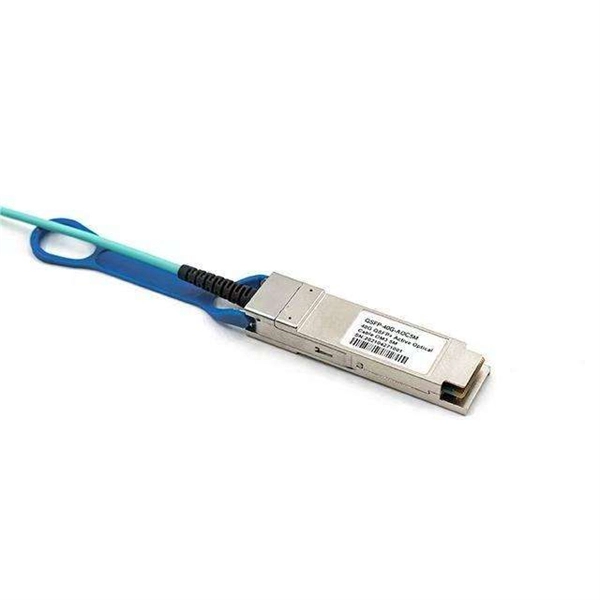
A DAC cable is a pre-terminated copper twinax cable with factory-attached transceiver ends — usually in SFP+, QSFP+, QSFP28, or QSFP-DD form factors. It provides an electrical connection between ports, eliminating the need for separate optical transceivers and patch cords. Direct Attach Cable (DAC) vs Active Optical Cable (AOC): Which One Should You Use? DAC uses twinax copper for ultra-short, low-power links (<3 m), while AOC uses optical fiber for longer distances (up to 100 m) with better flexibility and EMI immunity. However, ensuring compatibility is key to performance and stability. Copper has a length or reach limitation of less than 5 meters and two different optical technologies enable using different technologies for the least cost to fit the application. While transceivers and patch. Direct attach copper (DAC) cables are designed to work with fiber optic networks.
[PDF Version]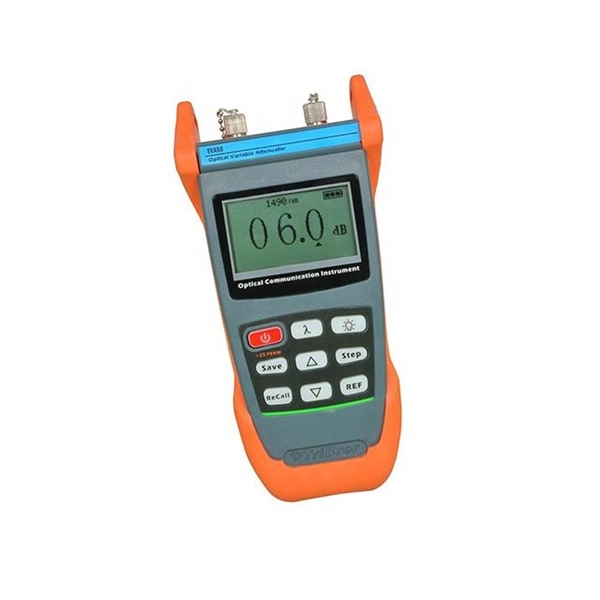
Optical modules and switches, as core network hardware, form a closely interdependent and symbiotic relationship—optical modules are the "extension arms" of switches that overcome transmission limitations, while switches are the "command center" for optical modules to function. For details about the optical modules supported by optical ports on switches, see "Appearance and Structure" of a specific switch model in the Hardware Description. You can also use the Hardware Center to query the. SFP (Small Form-factor Pluggable) is a compact, hot-pluggable network interface module used to connect network devices (switches, routers, firewalls) to fiber optic or copper cables. The connection between two or more Ethernet switches in a certain way (Uplink port, etc.
Switch stacking is a feature of certain Cisco access layer switches which allows for the creation of a single logical device from many individual devices via a backside stack port connected by several stack cables. Stackable switches logically to become one switch. While they both aim to simplify switch management and enhance resilience, they work in different ways and serve different use. Switch stacking is a technology that connects multiple physical switches via dedicated high-speed cables, virtualizing them into a single logical switch. This logical switch features a unified management IP address, a single configuration file, and shared forwarding tables (such as MAC address.
PoE switches offer numerous benefits, including cost savings, simplified installation, improved scalability, and centralized power management. They are widely used in business environments, smart buildings, and security systems to streamline operations and enhance network. Power over Ethernet (PoE) switches have emerged as game-changing devices that extend network reach while simultaneously supplying power. com can. A PoE (Power over Ethernet) switch is a network switch that delivers both power and data through a single Ethernet cable to connected devices such as IP cameras, VoIP phones, wireless access points, and IoT devices. It is generally known as power over ethernet switch. It enables one RJ45 patch cable to provide both a data connection. PoE does not reduce network speed, does not waste excessive power when proper cabling standards are followed, and the latest IEEE 802.
[PDF Version]
Advantages: Easy to insert and remove, low cost. Shape & Locking: Square body, push-pull latch mechanism. Advantages: Simple plug-in design, good mechanical. In the computer storage field, a Fibre Channel switch is a network switch compatible with the Fibre Channel (FC) protocol. The fabric is a network of Fibre Channel devices which allows. Fibre Channel (FC) switches and fiber-optic switches are both fiber network devices, but they differ in several respects. Fiber-optic switches. This comprehensive guide dives deep into the most common fiber connector types—LC, SC, FC, ST, and MTP/MPO—unpacking their structures, applications, advantages, and drawbacks to help you make informed decisions for your network.
Contact us for competitive quotes on any of our power communication and smart grid products
Get a Quote