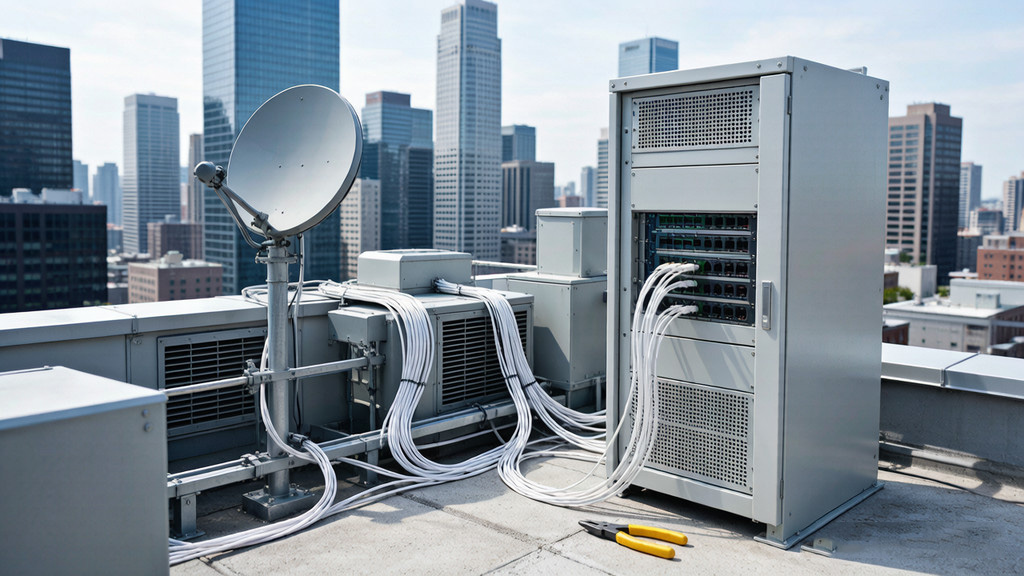
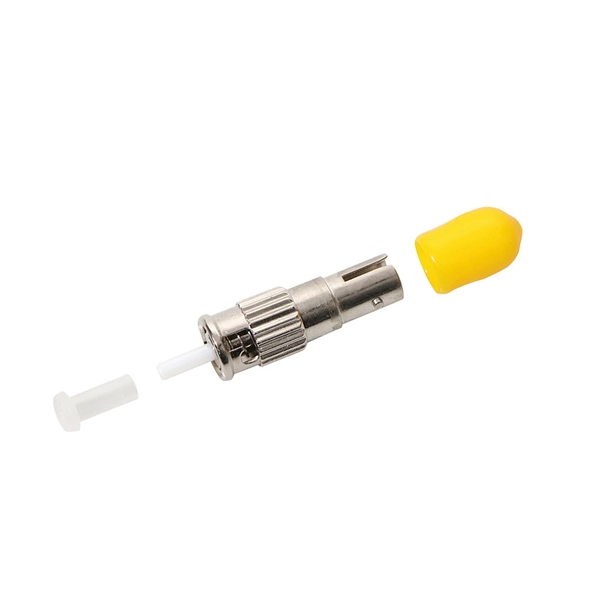
A data monitoring switch is a networking hardware appliance that provides a pool of monitoring tools with access to traffic from a large number of network links. It provides a combination of functionality that may include aggregating monitoring traffic from multiple links, regenerating traffic to multiple tools, pre-filtering traffic to offload tools, and directing traffic according to one-to-one and many-to-many port mappings. A data monitoring switch is a networking hardware appliance that provides a pool of monitoring tools with access to traffic from a large number of network links. It provides a combination of functionality that may include aggregating monitoring traffic from multiple links, regenerating traffic to multiple tools, pre-filtering traffic to offload tools, and directing traffic according to one-to-one and many-to-many port mappings.
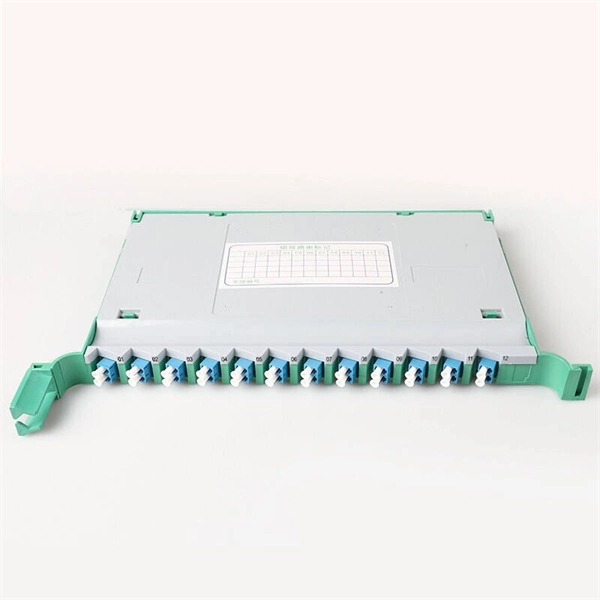
An access network is a type of network which physically connects an end system to the immediate router (also known as the “edge router”) on a path from the end system to any other distant end system. Examples of access networks are ISP, home networks, enterprise networks, ADSL, mobile network, FTTH. The term campus LAN refers to a LAN network that spans a single geographic location, such as a building or university campus. A campus LAN can be an entire network or part of an enterprise network. It mainly aims at providing consistent and secure network access while controlling data. A campus network describes the portion of an enterprise infrastructure that interconnects end devices to services such as intranet resources (residing in the data center) or the Internet. In spite of the high port count, the access switch usually provides the.
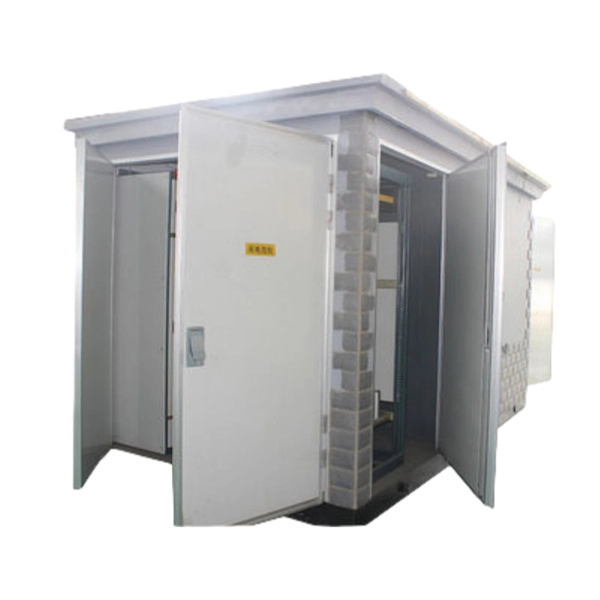
Cable trays provide a strong mechanical support system while maintaining accessibility for inspection, maintenance, and future expansion. This article records the installation process of cable trays carried out in the substation, highlighting procedures, materials, safety. Installing a 35KV substation cable tray correctly is important. Are you worried about mistakes, safety, or just how to get started? I know the feeling. Getting this kind of work right, especially with high-voltage equipment, needs a clear, step-by-step plan. This guide breaks down the whole process. maintain spacing or to keep cables in place when the tray is ect the minimum bend ra-dius for cables as they exit the bottom of the cable tray.
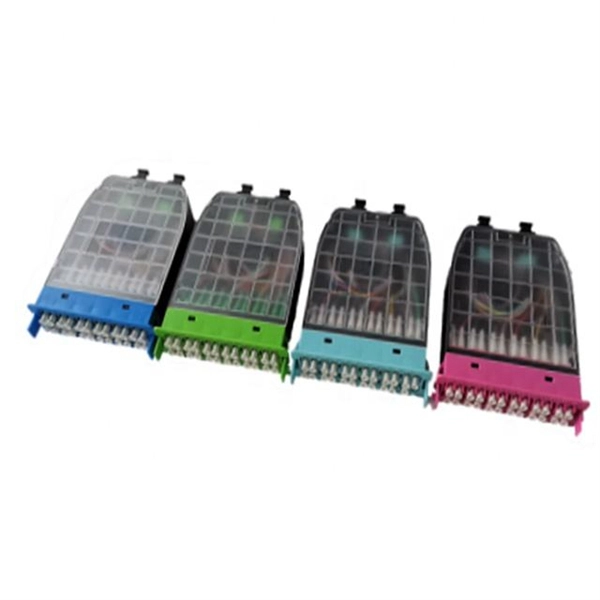
Both FortiSwitch units managed with FortiLink acting as ToR in the access layer have 2x10-GbE ports directly toward the aggregation layer (each 10-GbE link to a different MCLAG unit on each side). Port Density: The port density is the number of ports on the access switches. Since access switches are directly linked to subnets and end-users networking devices, having a higher port density is an advantage. Wired connectivity, though, is usually provided to a single endpoint per gigabit (or more) Ethernet port, except if a PC is reaching the network through. Switch ports are Layer 2 interfaces that are used to carry layer 2 traffic. A single switch port can carry single VLAN traffic. RJ45 ports serve access-layer copper connections; SFP/SFP+ ports enable flexible 1G/10G uplinks; SFP28 delivers 25G for modern data centers; QSFP+ and QSFP28 support high-density 40G/100G spine–leaf.
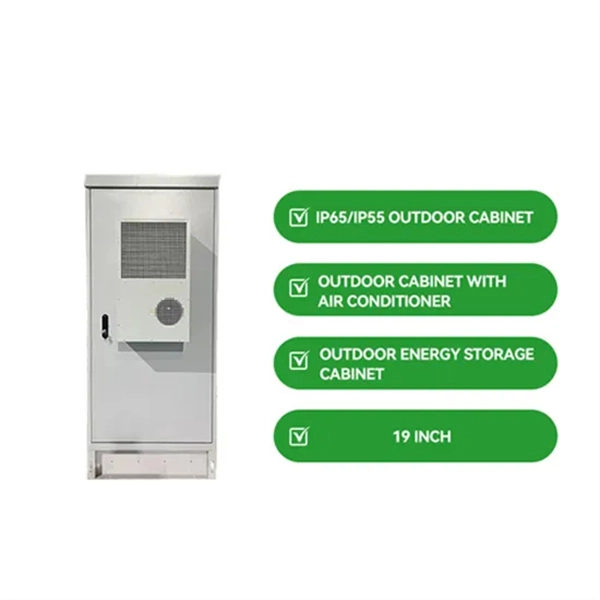
A modem is used to connect to the Internet. A router acts as a gateway to the computer network and is placed between a modem and a switch or hub. This beginner-friendly guide explains how each device works using simple examples and Cisco concepts for CCNA study. Both devices are crucial for the green and steady transfer of data, but they serve exceptional functions and operate at unique layers of the. The modem, in its simplest form, is the device that takes the raw signal from your internet service provider (ISP) and translates it into a form your network can understand.
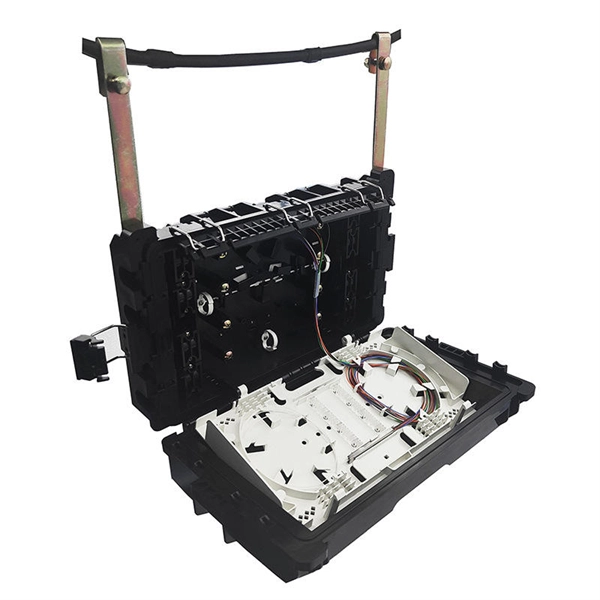
The access layer consists of layer 3 switches, which take routed and switched data packets from the distribution switches and then route them to the access devices in subnets. The access devices in subnets can be modems, video display units, receiver audio phones, IP-based. Access layer switches are primarily deployed in Layer 2 mode in the data center. A Layer 2 access topology provides the following unique capabilities required in the data center: VLAN extension—The Layer 2 access topology provides the flexibility to extend VLANs between switches that are connected. An access switch is a network edge device that directly connects end-user hardware such as computers, IP phones, wireless access points, cameras, and IoT devices to the broader network. The purpose of the access layer is to grant user access to network resources.
Contact us for competitive quotes on any of our power communication and smart grid products
Get a Quote