
IoT-enabled monitoring — using GSM, Wi-Fi, LoRa or cloud-based dashboards — allows operators to track system performance parameters in real time and respond quickly to faults. It provides reliable data acquisition and alarm functions to ensure safe and efficient operation of solar power plants. The system supports RS485 communication, DC arc fault detection, and shunt. Average Lagos home saves ₦80,000–₦150,000 per month. Payback in as little as 18 months. LiFePO4 battery banks sized for your load. Your family never notices a power cut again. Several Nigerian developers currently rely on imported monitoring units, but local fabrication remains limited.
In photovoltaic combiner boxes, surge protectors play a vital role. In a photovoltaic system, the photovoltaic combiner box is a key component, which is responsible for bringing together the current generated by the photovoltaic panels and then delivering it to the inverter or other equipment. Solar PV systems are long-term, outdoor electrical assets designed to operate reliably for decades. However, they are continuously exposed to. Modern solar power stations—from residential rooftops to 1500V industrial arrays—depend heavily on high-quality electrical enclosures, advanced protection components, and intelligent data systems to maintain long-term reliability.
Say we're designing a 500kW commercial array using 400W modules. With 63 strings needed total, using 16-input combiners gives us 4 boxes (63 ÷ 16 = 3. 9375 isn't leftover pizza!These unsung heroes of solar installations play ninja-like roles in managing current, reducing wiring costs, and preventing your array from turning into a light show (and not the good kind). Let's break down this critical calculation that separates solar rookies from PV pros. This device plays a significant role in both residential and commercial solar installations, particularly when. In a photovoltaic system, a combiner box acts as a central hub that consolidates and manages the direct current (DC) output of multiple solar panels. It sends the power to your inverter.
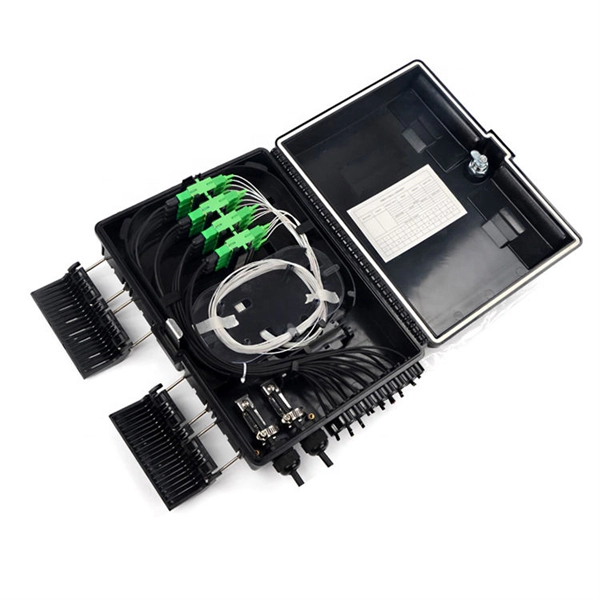
In a photovoltaic system, a combiner box acts as a central hub that consolidates and manages the direct current (DC) output of multiple solar panels. Its main purpose is to simplify the wiring structure, enhance system security and simplify maintenance procedures. The solar combiner box. For a huge photovoltaic power station, the amount of the combiner box only accounts for 1%, but 100% of the current passes through it.
The BIX Distribution Connector is a 25-pair connector. The connector's symmetrical construction allows termination of cables on one side and cross-connect jumper wires or BIX Patch Cords on the other. As mentioned before, a jumper is a conductor that is used to connect two or more points in an electrical circuit. Comprehensive accessories such as switching jumpers or. Ready to install in panel boxes, switches, outlets, and other devices, these cords come with a spade terminal already attached to one end.
Summary: This article explores best practices for photovoltaic panel bracket welding, focusing on quality control, material selection, and automation trends. Learn how precise welding techniques ensure durability in solar projects while reducing long-term maintenance costs. In the renewable energy. The photovoltaic junction box is an essential component in photovoltaic power generation systems, connecting solar panels, batteries, and loads. It typically consists of a plastic housing, connectors, cables, and electronic components. Deviations in the position of the wiring box may lead to problems such as incorrect lead lengths and welding positions, affecting the electrical performance and reliability of. Used for automatic pressing and laser welding of lead wires inside PV junction boxes. Fully integrated with upstream and downstream processes, featuring precise XYZ gantry motion combined with vision-guided servo alignment. Core Material Requirements: Why Steel and Aluminum Dominate You know, not all metals can withstand decades of sun, wind, and corrosion. Because of their. FortasunTM PV potting agents - condensation cure.
[PDF Version]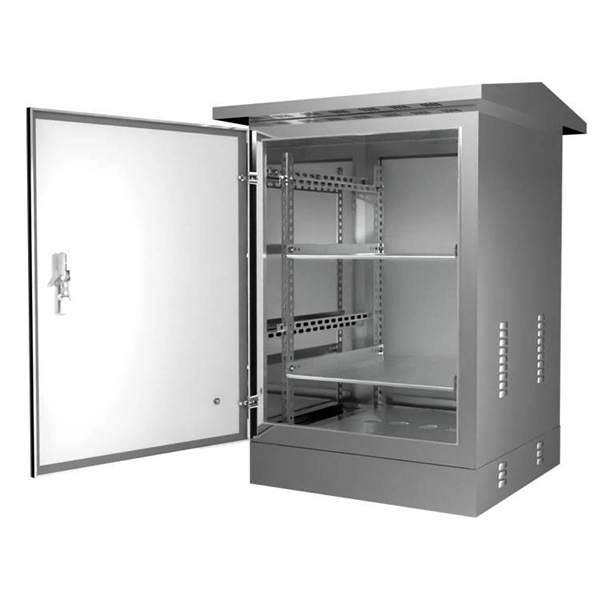
Therefore, the thickness of the sheet metal of the cabinet body of the power electrical distribution box is usually not less than 1. 0mm or thicker, may be. 2. 0mm thick cold-rolled steel plate, and those that are less than 600mm are made of 1. 2 mm thick. Guide Design and assembly according to IEC 61439 / EN 61439 ENYSTAR Distribution Boards up to 250 A and Mi Power Distribution Boards up to 630 A Download at www. Design requirements help you follow important standards like. to date & IS: 14772 / 2000 (amended upto date) for use in electrical distribution system in Mah rashtra. The system shall be AC three phase, four wires, 415 V, 50 Hz with effectively grounded neutral.
This engineering guide examines the five primary root causes of solar combiner box overheating and provides design-level solutions grounded in thermal science, electrical standards, and field-proven best practices. It collects the output from multiple strings, houses fuses and breakers, and protects against overcurrent and surges. Here's how to troubleshoot and maintain it properly to keep your PV system operating safely and. The combiner box is a key component in the photovoltaic power generation system, responsible for collecting direct current (DC) from multiple photovoltaic modules and transmitting it to the inverter for conversion.
Contact us for competitive quotes on any of our power communication and smart grid products
Get a Quote