
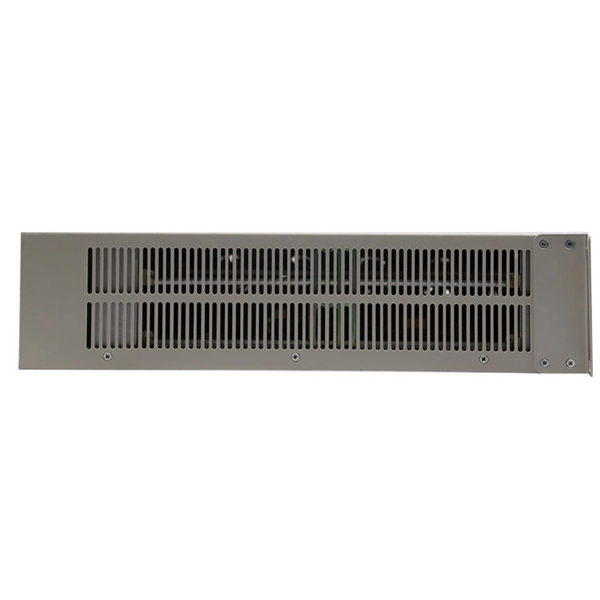
This guide provides a practical, standards-based approach to selecting managed industrial Ethernet switches and designing robust OT networks. Industrial ethernet switches operate from -40°C to +75°C, resist vibration and EMI, and use DIN-rail mounting — features office switches simply do not have. PoE and fiber. To overcome the barriers caused by different protocols, the International Electrotechnical Commission (IEC) developed IEC 61850, which provides a standard communication protocol for electrical substations and power grid automation. They are robust, impact-resistant and temperature-resistant. Unmanaged switches are the simplest active network. Industrial SFP modules are available in several types, including Gigabit fiber SFP, Fast Ethernet SFP, copper SFP, and BiDi SFP, allowing them to support a wide range of industrial networking architectures. Depending on the model, they can deliver transmission distances from a few hundred meters to.
[PDF Version]
These 10G industrial switches deliver ultra-fast connectivity with support for 10Gbps data rates, ensuring seamless communication for bandwidth-intensive applications. Designed with rugged construction, they withstand extreme temperatures, shock, and vibration, making. Industrial 10G Ethernet switches are built for high-speed data transmission in demanding industrial environments. These switches are designed with high EFT and ESD protection that supports extreme operating temperature environments. TRENDnet's Industrial Gigabit L2 Managed DIN-Rail Switch series offers advanced layer 2 managed features with enhanced traffic controls to meet the evolving demands of today's SMB networks. The DYMEC Industrial Series products, offer a variety of features not found in lesser switch products. With reliable and simple operation against vibration and shock, and wide. Energy-Efficient Ethernet (EEE) reduces power consumption during periods of low network activity The DIS-100G-10 includes two 1GbE SFP ports that support fiber uplinks for longer-distance connections to aggregation switches or central network infrastructure. Fiber cabling can extend connectivity.
[PDF Version]
Huawei CloudEngine S5735I-H-V2 series industrial switches (DIN rail-mounted) are next-generation industrial switches that provide flexible all-gigabit access and GE/10GE uplinks. Huawei's comprehensive portfolio of products and solutions enables you to realize smooth digital transformation and rapid growth of virtualization, Big Data, and cloud services. Huawei switches already help customers achieve success in industries such as finance, Internet, retail, education. Huawei CloudEngine S5731I-L series industry switches provide all-GE downlink ports and 1/10GE optical uplink ports, Plug-and-play, simple and flexible.
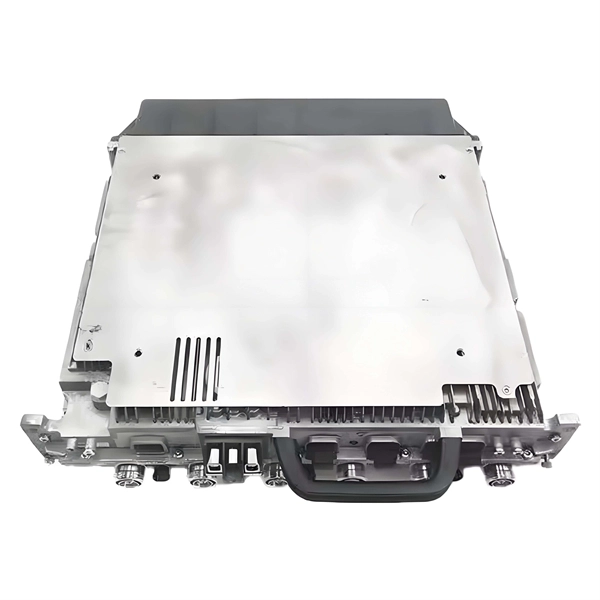
This guide provides step-by-step instructions for installing two common types of industrial switches: rack-mount, and DIN-rail switches. Choose the Installation Location: Select an appropriate spot on the DIN rail for mounting. Switches are fixed to walls or cabinet interiors using screws or hooks. Flexible placement: Choose mounting height and position based on site needs. DIN rail mounted industrial switches enable efficient. The Cisco® Industrial Ethernet (IE) 1000 Series Switches are compact rugged switches aimed to operational technology (OT) users with limited IT network knowledge. No prior experience needed—just follow along and you'll have your switch installed and running in minutes.
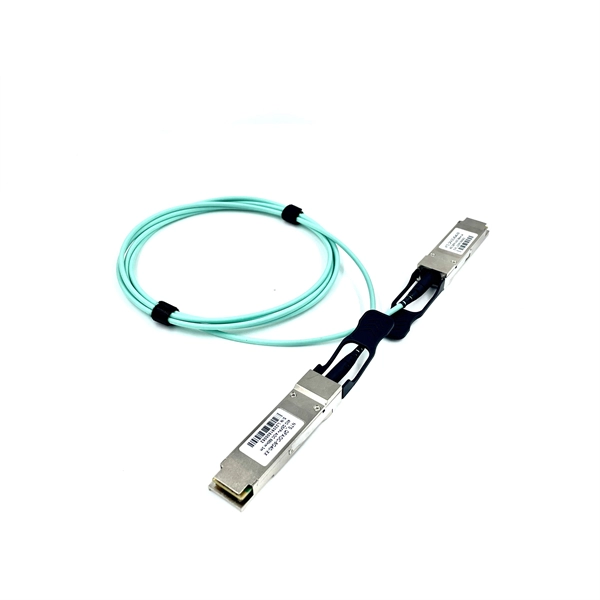
Cause : Severed fiber, dead transceiver, or failed switch. Clean connectors and test signal. Industrial fiber optic networks typically use either multimode fiber (OM3/OM4, 50/125 micron) for short distances within a facility (up to 550 meters at 10 Gbps) or single-mode fiber (OS2, 9/125 micron) for long distances between buildings or facilities (up to 80+ km with appropriate transceivers). However, in real-world installations, whether underground, aerial, or in harsh industrial environments, fiber cables can and do fail. Understanding the common causes of. Fiber optic communication uses pulses of light to transmit data along thin strands of glass or plastic. Configuration Errors : IP conflicts, incorrect routing, or firmware bugs. The NMS can visualize network delay in real time, which is better than the manual delay evaluation method of SDH.
The global fiber optic cable market is projected to reach $32. 5 billion by 2030, and demand is shifting fast as data centers take 35% of fiber demand in 2023. While APAC leads with a 58% share in 2022, sector pressure is coming from 5G and IoT, plus enterprise fiber demand rising. Drawing on CRU's November Optical Fibre & Cable Market Outlook, this article highlights ten key industry shifts that shaped 2025 and will set the tone for 2026. AI and hyperscale data centres became the strongest global growth engine Data centre construction transformed demand dynamics this. fiber optics cable by Application (Long-Distance Communication, FTTx, Local Mobile Metro Network, CATV, Others), by Types (Multi-Mode Fiber Optics Cable, Single-Mode Fiber Optics Cable), by North America (United States, Canada, Mexico), by South America (Brazil, Argentina, Rest of South America). The global fiber optic cable market is projected to reach $32. This growth represents a CAGR of 7. 21% during the forecast period from 2026 to 2035.
[PDF Version]Contact us for competitive quotes on any of our power communication and smart grid products
Get a Quote