
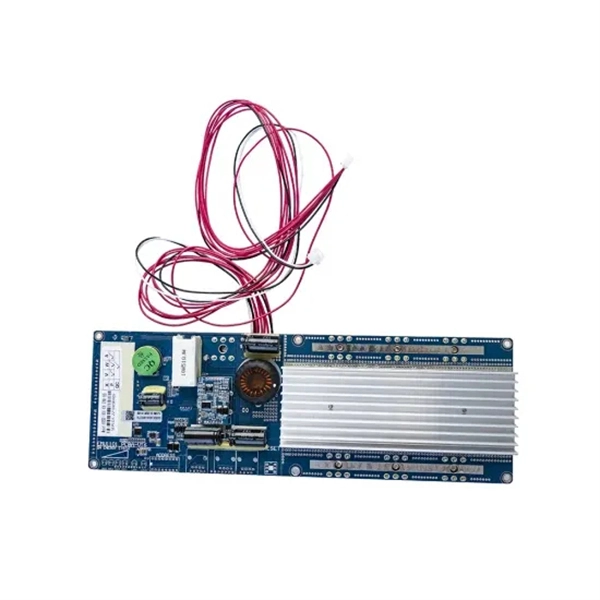
Fiber optic and copper cables are built with very different materials, and as such are used in different circumstances for different tasks. Fiber optic cables are built with a silica glass fiber core, about the width of a.
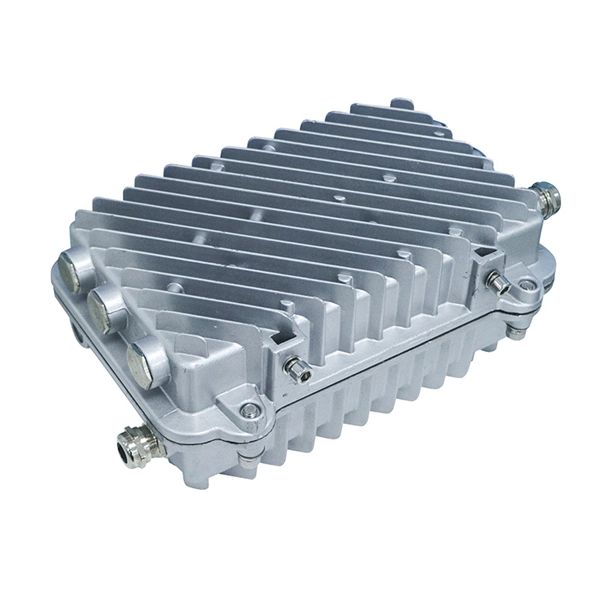
The most common types of beam splitters are polarizing, non-polarizing, dichroic, cube, and plate beam splitters. A beam splitter or beamsplitter is an optical device that splits a beam of light into a transmitted and a reflected beam. It is a crucial part of many optical experimental and measurement systems, such as interferometers, also finding widespread application in fibre optic telecommunications. However, how they work exactly often remains overlooked.
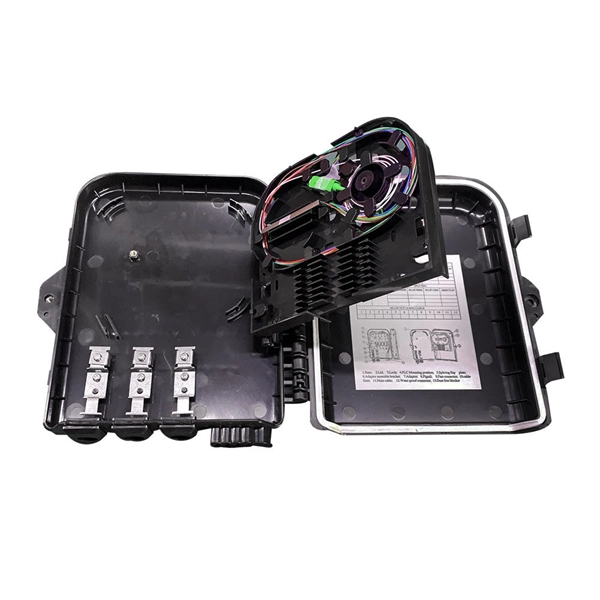
The three main categories of pigtail connectors are RF/coaxial pigtails, fiber optic pigtails, and electrical/automotive pigtails. The term pigtail refers to the physical appearance of the wire, which often resembles the curly tail of a pig before it is installed. Technically, it is a cable assembly that provides a connection interface. It's a short wire with a connector installed on one end, such as a spade or ring terminal, while the other is left bare or blank.
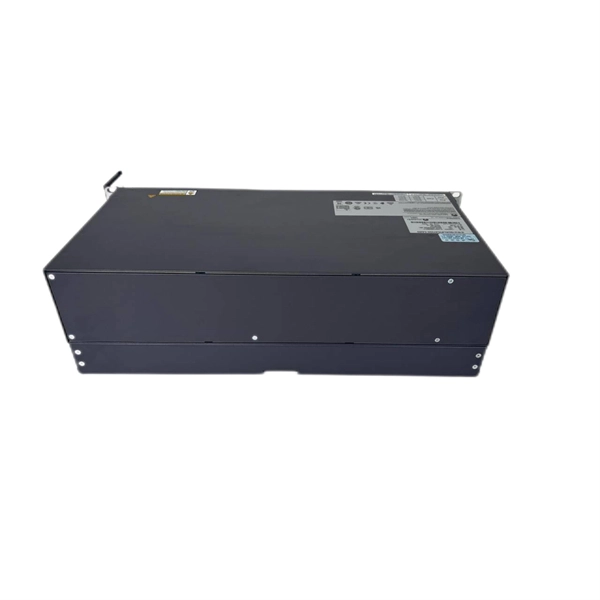
Standards-based Power over Ethernet is implemented following the specifications in IEEE 802.3af-2003 (which was later incorporated as Clause 33 into ) or the 2009 update, IEEE 802.3at. The standards require or better for high power levels but allow using if less power is required. In multi-pair cases, PoE supplies power as a over two or more of the.
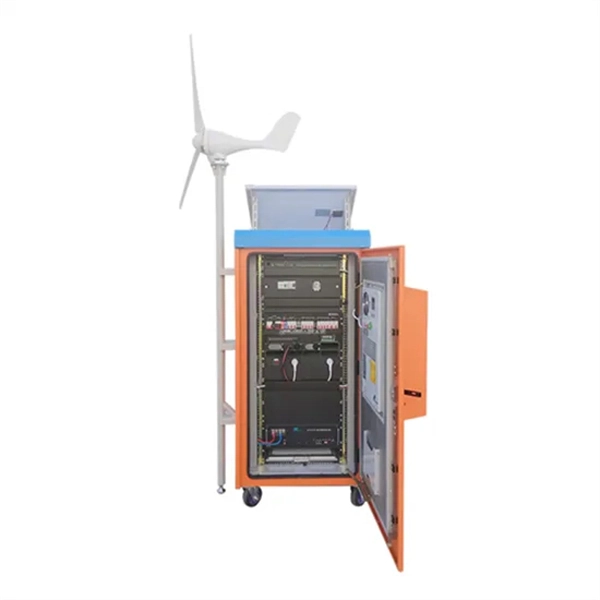
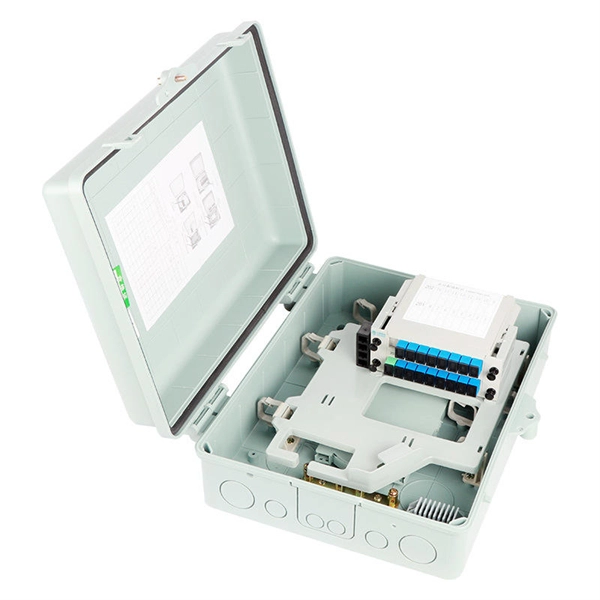
Optical splitters can be divided into box-type optical splitters, tray-type optical splitters, rack-mounted optical splitters, wall-mounted optical splitters, etc. according to the scope of application. Unlike active devices (which require power), splitters operate without electricity, relying solely on the physics of. A fiber-optic splitter, also known as a beam splitter, is based on a quartz substrate of an integrated waveguide optical power distribution device, similar to a coaxial cable transmission system. ;. In today's rapidly evolving optical communication landscape, fiber optic splitters play a vital role in Passive Optical Networks (PON), widely used in FTTH (Fiber to the Home), data centers, laboratories, and even university research networks.
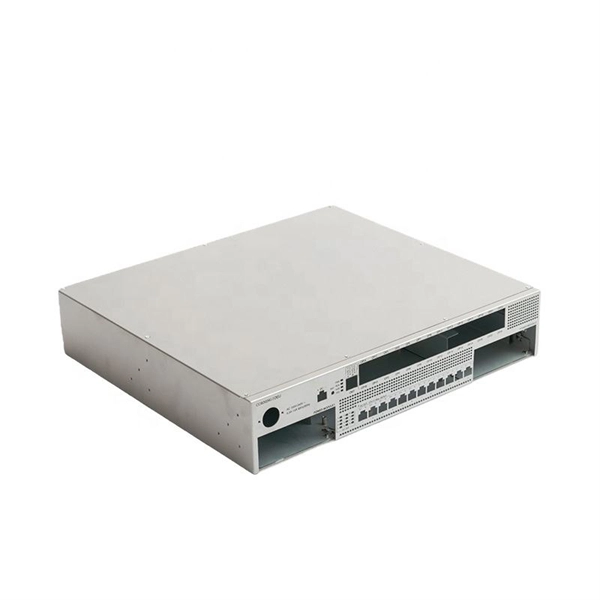
Cable trays support insulated electrical cables in industrial and commercial settings. There are several types of cable trays, including ladder, perforated, solid bottom, basket, and channel trays. Channel tray can protect against. The B-Line series Cable Tray Manual was produced by our technical staff. Unlike conduit systems, cable trays allow cables to be laid in bundles, improving accessibility, heat. A cable tray system is a unit assembly of sections and fittings that forms a rigid structural system used to securely fasten or support cables and wiring. A complete system is made up of.
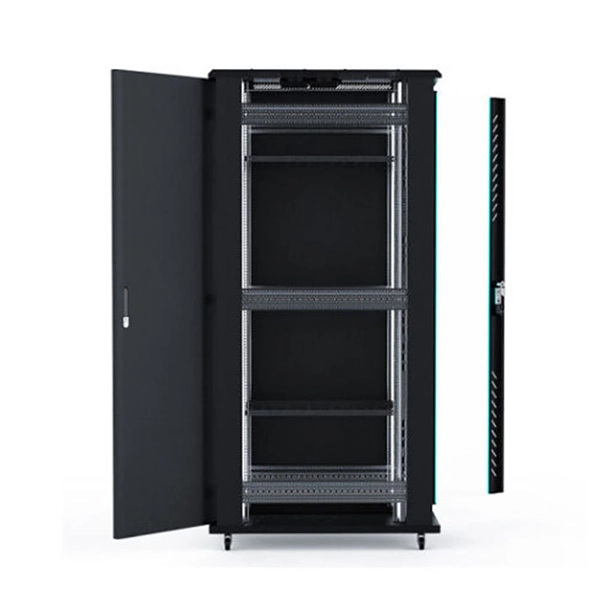
There are different configurations including straight, bifurcated (Y-cable), or fan-out configurations and round or linear bundle end configurations. For some applications, some number of optical fibers is bundled together, forming a fiber bundle or fiber-optic bundle. In most cases, one uses multimode large-core silica fibers or plastic fibers. A fiber. Fiber optic cables are often seen as the gold standard for network cabling. Unlike copper wires, which are limited by lower data transmission speeds, shorter transmission distances, and higher susceptibility to electromagnetic interference, fiber optic cables offer unparalleled performance and can. A fiber-optic cable, also known as an optical-fiber cable, is an assembly similar to an electrical cable but containing one or more optical fibers that are used to carry light. IDIL offers tailor-made solutions (flexible or rigid) to meet each customer's specifications.
[PDF Version]
Wiring a terminal block is straightforward when following proper procedures: Strip the insulation from the wire (6 to 10 mm depending on the block type). Tighten the screw or clamp to secure the wire inside. Currently I'm stuck on how to draw for example 24VDC distributed through multiple jumpered terminal blocks. To give an example, let's say I have a power supply on one sheet and then on 10 different sheets 10 devices which need 24VDC. Running a single wire across multiple sheets seems "the most. Whether you're wiring up a new system, troubleshooting an old one, or building panels for global clients, knowing how to properly wire a terminal block saves time, avoids errors, and keeps your equipment running smoothly. At DIFVAN, we work with professionals like you every day control panel. Wiring a terminal block correctly is a fundamental skill in electrical work, ensuring safe and reliable connections. It connects incoming power, conditions the voltage, protects circuits, and ensures all components communicate properly. These components are designed for modular applications, allowing safe and efficient splitting of a single power input into several output circuits.
[PDF Version]
PLC systems offer more programming flexibility and, therefore, more versatility. You can easily program or reprogram them as needed; no rewiring or replacement is necessary. A quick look at these key differences between PLC control systems and. Relay logic refers to electrical control systems using electromechanical relays, timers, and switches to perform logical control operations. It is a rugged, microprocessor-based system designed to operate reliably in harsh industrial environments.
Truss heads, dome heads – prevent damage to plastics and thin metals. By providing a detailed overview of each type, from the widely used cap head to the more specialised grub and shoulder screws, we'll equip you. The term pigtail refers to the physical appearance of the wire, which often resembles the curly tail of a pig before it is installed. Technically, it is a cable assembly that provides a connection interface. From the classic flat head to more specialized ones like Torx or Quadrex heads, each type of screw head has its use. Whether you' re looking for high torque, safety, or a nice appearance, there's a. The three main categories of pigtail connectors are RF/coaxial pigtails, fiber optic pigtails, and electrical/automotive pigtails. Each serves unique functions: RF pigtails ensure impedance control in wireless systems, fiber optic pigtails provide low-loss fusion splicing for high-speed networks. Understanding the various types of screw heads is an important skill for any woodworker.
[PDF Version]Contact us for competitive quotes on any of our power communication and smart grid products
Get a Quote