
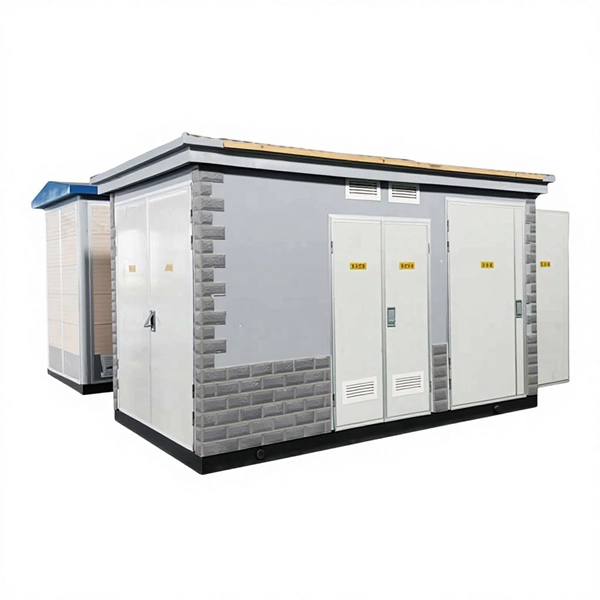
In order to ensure electrical safety in the railway network, grounding must be installed on all metal parts of structures and devices users can come into contact with. The resistance of grounding must not excee.
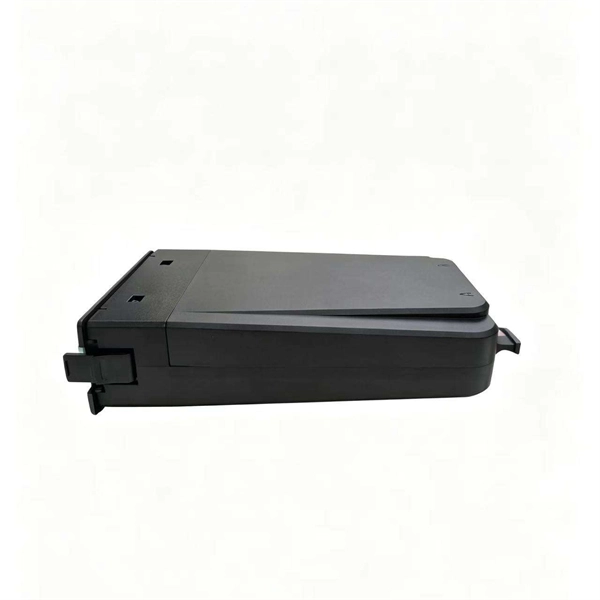
Fiber optic splicing costs vary widely depending on project size, location, fiber type, and site conditions. Splice boxes and splice distributors are essential for a reliable fiber optic cabling system and serve as a connecting point between the fiber optic installation cable and the in-house network. The box has 2 ports on both ends and there is a. Check each product page for other buying options.
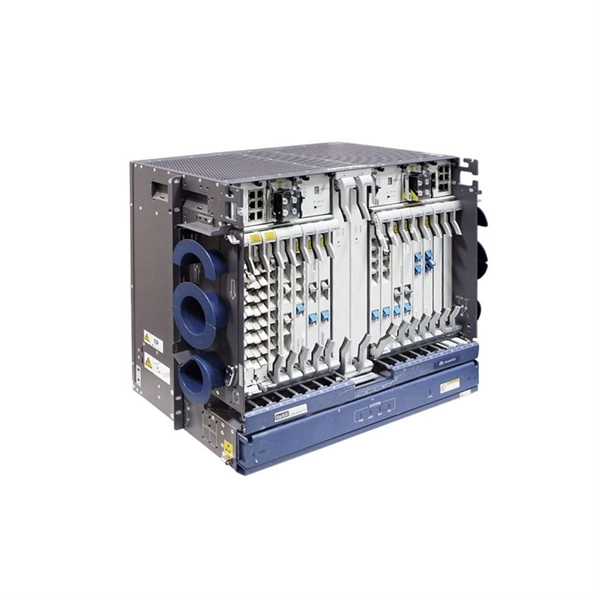
Discover 6 top-rated heavy-duty power cords built for construction sites. Compare OSHA-compliant options with GFCI protection, weather resistance & pro-grade durability. Construction sites demand power cords that can handle extreme conditions, heavy-duty equipment, and constant. Construction power cable is widely used in building electrical systems, infrastructure projects, industrial construction, commercial facilities, underground distribution networks and utility power supply systems. For project buyers, contractors and electrical engineering teams, choosing the right. In the UK & Europe cables used in this industry are, with the exception of fire performance cables, subject to the Construction Products Regulation (CPR). Choosing the right cable usually depends on the type of machine or equipment that needs to be powered. Some of the common types of cables used on construction sites are rubber cables, which are ideal for use on. Klaus Faber AG provides you with cables and connectivity solutions for construction site power distribution, temporary cabling for large equipment and tunnel cables for the infrastructure.
[PDF Version]
Other than telco systems that still use copper for the final connection to the home, practically every cable in the telephone system is fiber optic. The Internet. Optical fiber is used by many telecommunications companies to transmit telephone signals, internet communication, and cable television signals. Researchers at Bell Labs have reached a record bandwidth–distance product of over 100 petabit × kilometers per second using fiber-optic communication. As fiber optic networks continue to expand, it's essential for businesses to understand the regulations that govern them. It includes first determining the type of communication system (s) which will be carried over the network, the geographic layout (premises, campus, outside. The Federal Communications Commission first established rules in 1965 for cable systems which received signals by microwave antennas.
When dealing with any mixture of cables, it is crucial to follow the National Electrical Code (NEC) regulations, specifically 392. This guideline provides clarity on how to arrange different types of cables within a cable tray to ensure safety, compliance, and. Cable tray types, fill rules for single-conductor and multiconductor cables, ampacity derating, separation requirements, and when to use tray vs conduit. The key requirements for cable tray installation include: Incorrect installation can lead to overheating, cable damage, or system failure.
This guide highlights five top underground cable locators and a fiber optic fault locator to help professionals and DIYers locate buried wires, detect faults, and trace pathways with confidence. Fiber optic cables are critical components of modern communication infrastructure, often buried underground for protection and durability. This guide will explain the most effective methods to locate buried. FTS-900 optical cable routing fault intelligent locator can find and locate buried optical cables and pipeline optical cables, generate specific location data of optical cable joint box, breakpoint location and light attenuation, provide protection support services for optical cable line and. Cable and pipe locator tools are nondestructive evaluation (NDE) technologies that detect and identify buried cables and pipes based on the measurement of electromagnetic (EM) signals emitted by them. The construction and utility service industries often rely on these relatively easy-to-use. Budco is a stocking distribution company for broadband tools, fiber optic tools and coax cable tools. The high-power precision cable pipe.
[PDF Version]
IEC 60794-6-20:2020 is a family specification covering optical fibre outdoor cables which are flame retardant and thus also applicable to indoor environments. The cable has a design that ensures operation for more than 3 hours in fi es up to 1000 °C. Real-World Applications in the Relevant Industry Optical fiber cables are widely used in various industries, including. Below are the most commonly used fiber optic cable jacket materials and their key characteristics: Excellent moisture, abrasion, and corrosion resistance; good electrical and chemical stability; HDPE is harder and heat-resistant; LDPE is more flexible. These cables generally possess the. The International Electrotechnical Commission answers the first question with IEC 60332, “Tests on electric and optical-fibre cables under fire conditions – Part Tests for vertical flame propagation.
The normal recommendation for fiber optic cable is the minimum bend radius under tension during pulling is 20 times the diameter of the cable (d). 679. This Applications Engineering Note (AE Note) addresses application and selection considerations for improved bend performance optical fibers (IBP fibers). IBP fibers offer operational improvements where fibers or cables are subjected to acute bends. While installers are aware of the fundamental importance of minimum bend radii, they often lack the practical know-how to. Fiber optic cable bend radius is a critical mechanical parameter that determines how sharply a cable can be bent without risking microbending, macrobending, signal loss, or long-term structural fatigue.
Contact us for competitive quotes on any of our power communication and smart grid products
Get a Quote