
The most popular brands for Kvm Switch Includes Belkin, IOGEAR, StarTech, TRENDnet, Tripp Lite, Black Box, Raritan, D-Link, Lindy, Linksys among many others. A KVM (Keyboard/Video/Mouse) Switch is a piece of hardware that allows you to control multiple computers with a single keyboard, display (video), and mouse. It is also sometimes referred to as a CPU Switcher or PC Switcher. Belkin is a market leader in accessories and strives to deliver audio, connectivity, home automation, productivity, protection, power, and. Explore the top 10 leading KVM Switches companies driving technological advancement and competitive differentiation in a market forecasted to reach $2.
Networking hardware typically refers to equipment facilitating the use of a computer network. Typically, this includes routers, switches, access points, network interface cards and other related hardware. This is a list of notable vendors who produce network hardware. Routers• • - acquired by •. • • AirPro• - acquired by •. • • - acquired by • •. • • (includes former Solarflare and )• (includes former Avago and Emulex)•.
This second design is another accurate touch sensitive switch can be built using a single IC 4093 and a few other passive components. The shown circuit is extremely accurate and fail-proof. The circuit is b.
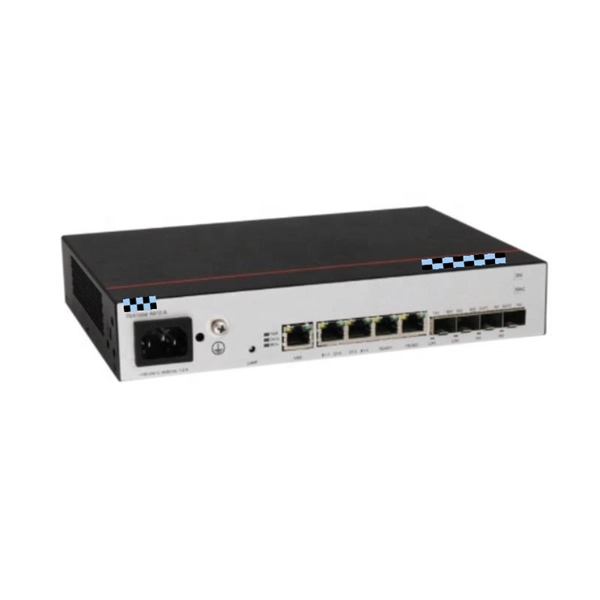
MDC virtualizes one S10500 switch into multiple logical switches, enabling multiple services to share one core switch. The 1:N virtualization maximizes switch utilization, reduces network TCO, and ens.
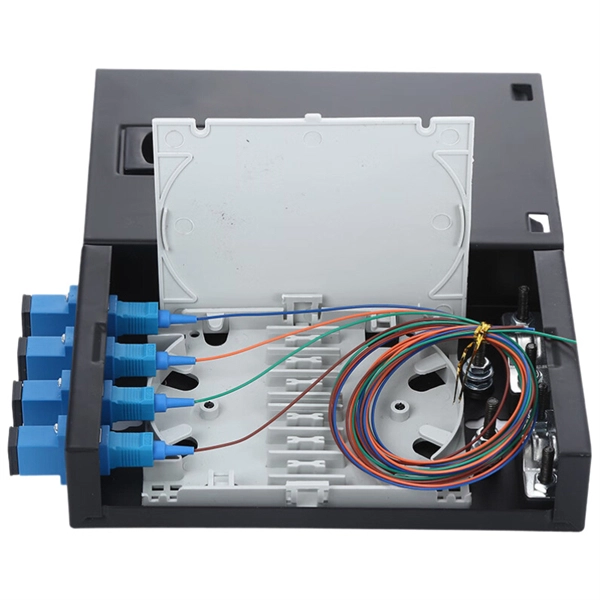
A core switch is a high-capacity, high-performance Layer 3 switch positioned at the physical backbone of an enterprise network. Engineered to aggregate massive volumes of data from distribution switches, it provides ultra-low latency and maximum throughput to ensure uninterrupted routing and packet. A core switch in networking serves as the high-capacity backbone, italic centralizing data flow and ensuring efficient communication between different network segments. Simply put, it's the kingpin that keeps your network humming. You may also want to know: Can a Nintendo Switch Play DS Games? ·. The core switch is the physical core layer. It can be considered a central network layer that performs all the functions, like monitoring traffic and empowering the whole system. It's responsible for accurately routing communication among layers and departments of different sections. The core switch is the most important piece of hardware in this. A core switch is the backbone of a large-scale network, designed to handle massive volumes of traffic with ultra-low latency and maximum reliability.
[PDF Version]
Since V200R011C10, S5720HI series switches can set up stacks in service port stacking mode using dedicated stack cables. When 10GE SFP+ optical ports are used as stack ports, a switch supports a maximum of two logical stack ports, and each logical stack port supports a maximum of four stack member ports. Each switch can. This article summarizes several solutions for using optical modules with switches and common problems encountered during usage, along with specific solutions. Huawei S5720-32P-EI-AC Switch II. Posted by:XPONSHOP As we know, switch stacking deployment has some special requirement or limitation, this blog will share the software version and model requirement in detail on Huawei S Series Switches stack. Switch stacking is the process of combining multiple switches into a logical device that participates in data forwarding as a whole, in order to expand the number of ports, simplify networking, increase reliability, and extend the system's processing power and bandwidth. Moduletek Labs takes Huawei. Switch stacking is a cornerstone of modern network design, enabling simplified management, improved redundancy, and scalable bandwidth.
[PDF Version]
3af/at PoE+ standard, supports up to 30 W on each PoE port and 67 W for all PoE ports. Fully compatible with IP cameras, access points, IP phones, computers, printers, and more. 𝐅𝐥𝐞𝐱𝐢𝐛𝐥𝐞 𝐅𝐮𝐥𝐥 𝐆𝐢𝐠𝐚𝐛𝐢𝐭 𝟏𝟔-𝐏𝐨𝐫𝐭 𝐏𝐨𝐄 𝐂𝐨𝐧𝐟𝐢𝐠𝐮𝐫𝐚𝐭𝐢𝐨𝐧: 16x PoEplus (802. 𝐄𝐱𝐭𝐞𝐧𝐝 𝐌𝐨𝐝𝐞: Up to 250m data and power PoE. A PoE switch delivers both data and electrical power to connected devices through a single Ethernet cable, removing the need for separate power adapters or dedicated electrical outlets at every device location.
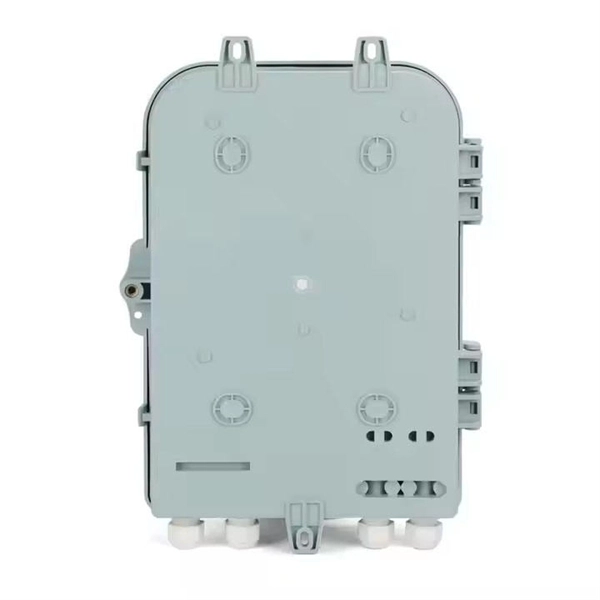
Mechanical Optical Switches: Use physical movement of fibers or mirrors to redirect light. Optical switches are important devices for optical fiber communication sys-tems where they are used for protection, restoration, wavelength routing, fiber-management, automatic patch panel, and in optical cross-connects [1–3]. Its core functionalities include: (1) Signal Blocking/Transmission: Interrupting or permitting light passage through a specific channel. This transition allows data to remain in its native optical form as it travels through fiber optic networks, eliminating the need for. A comprehensive understanding of Switch Optical Modules, Optical Interface Types, and Fiber Optic Connectors is essential for network engineers, technicians, and anyone involved in network design, deployment, and maintenance. This comprehensive guide explores the fundamental principles.
Choose an SFP module based on the fiber optic cabling that will be connected to the network switches. Always. A fiber optic connector is a mechanical device used to align and join optical fibers, enabling light to pass through with minimal loss. Unlike fiber splicing, which is permanent, connectors allow for easy connection and disconnection of cables, making them ideal for maintenance and flexibility in. Fiber optic cabling is increasingly used to connect network switches and other datacom equipment, especially in long-distance and mission-critical applications. Most modern fiber-enabled network switches require an SFP transceiver module. In this article, we'll explain how to connect multiple Ethernet switches using fiber optic cables and the equipment required for this to work. Network topology refers to the way in which the links and nodes of a network are arranged in relation to each other.
[PDF Version]Contact us for competitive quotes on any of our power communication and smart grid products
Get a Quote