
This guide explains fiber optic cable construction, the difference between tight buffer and loose tube structures, and compares eight common cable types used in data centers, enterprise networks, and FTTH deployments. Fiber optic cables are essential components in modern data transmission infrastructure. They support high-speed, interference-resistant communication and are particularly effective in applications that require high bandwidth, low latency, and strong signal integrity. Optical fibre is preferred over electrical cabling for long-distance transmission. Optical fiber cables consist of several key components, including the core, cladding, coating, strengthening fibers, and outer jacket, each essential for effective data transmission. Different types of optical fibers, such as single-mode, multimode, and bend-insensitive fibers, are designed for. Optical Fiber Cable engineering construction refers to the process of designing, planning, executing, and maintaining communication system infrastructure by deploying optical cables and associated components.
[PDF Version]
Despite their robustness, fiber networks can fail due to: Physical Damage : Cuts, bends, or contamination in fiber cables or connectors. Fiber-optic cables are the backbone of modern connectivity—powering 5G networks, global internet backbones, and data center interconnections with near-light-speed data transmission. While these cables are engineered for durability (with some rated to last 25+ years), they are not invulnerable. However, in real-world installations, whether underground, aerial, or in harsh industrial environments, fiber cables can and do fail. This guide lists the actual, field-proven problems technicians encounter most often and gives step-by-step troubleshooting actions you can copy into your maintenance routine. Identifying and understanding the causes of these faults is crucial for ensuring reliable and efficient communication networks.
Single mode and multimode fiber optic cables are two different types of fiber optic cable aimed at different use cases. Single mode cables are typically made with a single strand of glass at their core, leading to a n.
To connect two or more computers or networking devices in a network, network cables are used. This cable contains a conductor, insulator, braiding, and sheath. A computer cable is a medium used to transmit data between devices such as computers, servers, routers, and switches. Each is different and suitable for different applications. This article explores the distinctive features of these three types of cables and the differences in their. When designing or upgrading a network, understanding the differences between coaxial cable, twisted pair, and fiber optic cable—in terms of bandwidth, transmission distance, cost, and interference resistance—is essential. However, real-world decisions are not based on performance alone;. Fiber optic cables, twisted pair cables, and coaxial cables are the three major types of network cables used in communication systems. Fiber optics offer incredible.
[PDF Version]
The Engineering360 SpecSearch database allows industrial buyers to select products by semiconductor type and photodiode type. Two types of semiconductors are used in fiber optic receivers.
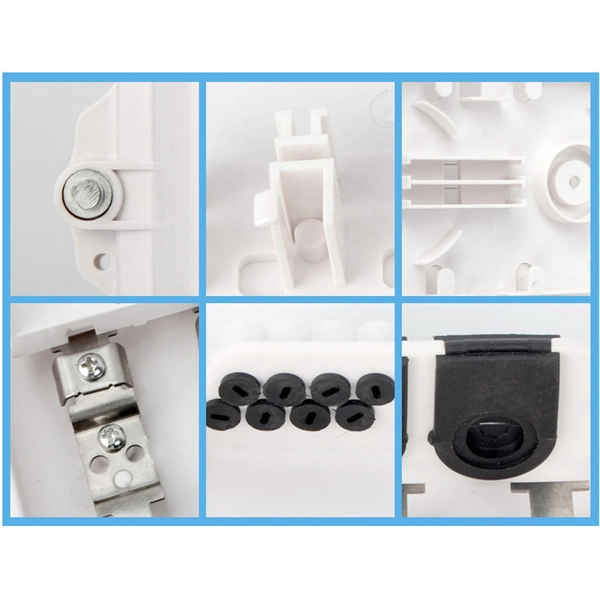
Fiber count: 1~4 coresProduct models: GJXH, GJXV, GJXDH, GJXFH, GJXFV, GJXDFH. Product description:The access network type of butterfly drop cable (used in the indoor wiring) is that put the optical communication unit (optical fiber) in the center and. FTTH Butterfly Optic Cables were designed to eliminate those compromises. Their compact design helps optimize space while maintaining optimal data transmission speeds. An additional steel wire strength member is attached to the outer side, followed by extrusion with black low smoke. Find high-quality self-supporting butterfly-shaped optical cables at Yancheng Jingze New Material Technology Co.
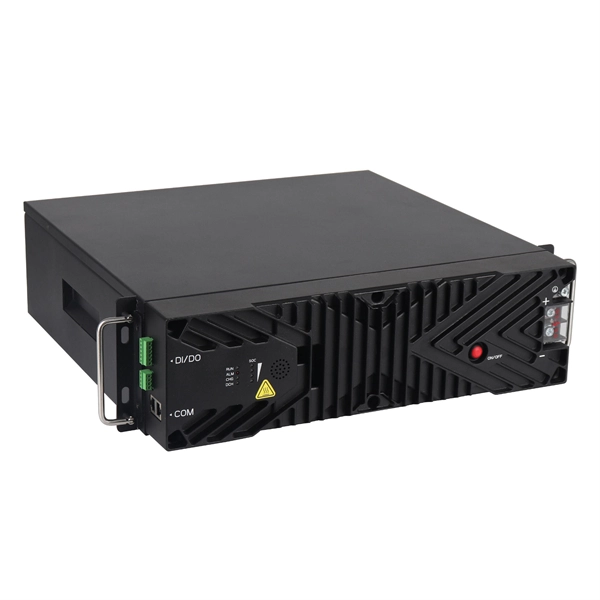
Optical fibers are an integral part of modern communication systems, enabling high-speed data transfer and reliable connectivity. They are thin, transparent strands of glass or plastic used to transmit light signals over long distances. Light acts as a carrier wave and can be modulated to carry information. Fiber is preferred. Recent advancements including coherent detection, optical amplification, and fiber-optic sensing are discussed, along with their impact on future networks.
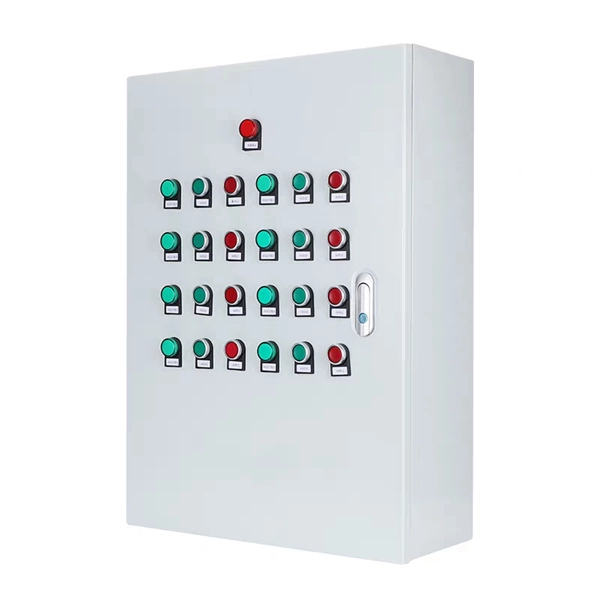
EasyBand® G657A1 bending insensitive single-mode fibre encompasses all the features of FullBand® fibre and provides good resistance to macro-bending. It has low macro-bending sensitivity and low water-peak levels. ast right-hand digit when considering the specification limits. This method is in accordance with the rounding method of ASTM Practice E29 (Standard Practice for using significant diThe experience with the installation and operation of single-mode fibre and cable-based networks is huge and Recommendation ITU-T G. 652, which describes its characteristics, has been adapted to this experience. Nevertheless, the specific use in an optical access network puts different demands on. Our **Silica Core Singlemode Fiber** is engineered to deliver exceptional performance in a variety of networking applications.
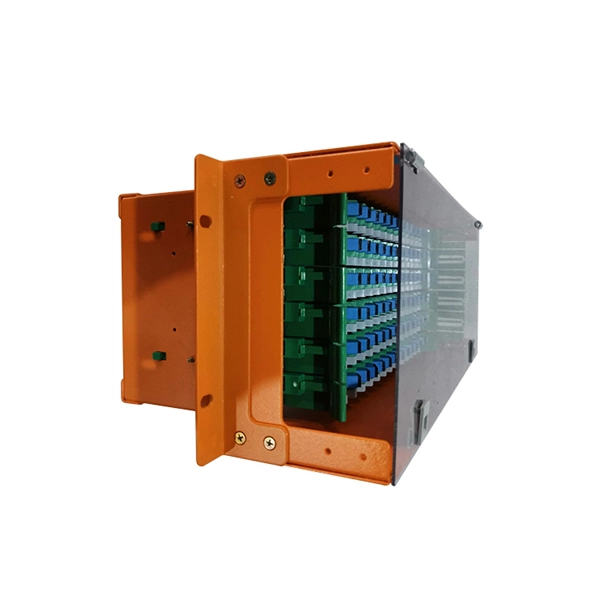
Polarization-maintaining fibers work by intentionally introducing a systematic linear in the fiber, so that there are two well defined polarization modes which propagate along the fiber with very distinct phase velocities. The beat length Lb of such a fiber (for a particular wavelength) is the distance (typically a few millimeters) over which the wave in one mode will experience an additional delay of one wavelength compared to the other polarization mode. Thus a length Lb /2 of such fiber is equivalent to a.
According to a recent study by Global Market Insights Inc., the global fiber optic connector market was estimated at USD 11. 8 billion in 2034, at a CAGR of 4. Rising demand for high-speed internet. Growth. Global Outlook – By Product (SC (Standard Connectors), LC (Lucent Connectors), FC (Ferrule Connector), ST (Straight Tip), MXC Connector, Other Products), By Cable (Simplex, Duplex, Multi-Fiber), By Application (Telecommunication, Inter Or Intra Building, Community Antenna Television, Datacenter. Global Fiber Optic Connectors Market Size By Connector Type (SC (Subscriber Connector), LC (Lucent Connector)), By Application (Telecommunications, Data Centers), By Fiber Type (Single-Mode Fiber, Multi-Mode Fiber), By End User (Telecommunication Service Providers, Enterprise Networks), By End User. The global fiber optic connector market size is valued at USD 6.
Contact us for competitive quotes on any of our power communication and smart grid products
Get a Quote