

Dielectric loose tube cables or ADSS cables should not be direct-buried, although armored loose tube cables can be direct-buried. Not all ADSS cables are equal for underground use. Some are built with features that resist moisture and corrosion better than others. With metallic central strength members, it offers ease of location while. With an assortment of types being sold—armored, non-metallic, aerial, buried, and self-supporting, as well as ribbon—you will have to know how to choose the right type for each type of application. This depth helps to protect the fiber optic cable from most surface - level mechanical damage, such as from accidental digging or vehicular traffic. In addition, the materials and hardware referenced herein appear as examples, but.
Multiple subsea fiber optic cables in the Red Sea suffered simultaneous cuts on September 6, 2025, disrupting global internet and communications traffic. The incident began at 05:45 UTC and has forced operators to reroute traffic between Asia, the Middle East, and Europe over alternate paths. There has been concern about the cables being targeted in a Red Sea campaign by Yemen's Houthi rebels, which the. The severing of the SEA-ME-WE 4, IMEWE, and FALCON GCX subsea cables near Saudi Arabia has caused Internet issues in the Middle East and South Asia. 7 million kilometres of global data and internet cables. Each year, up to 200 submarine cable cut incidents reported, as per ICPC. The initial news seems to have originated from a Microsoft announcement published on Sunday.
The good news is that cold temperatures do not affect the strength of your connection nor does it damage the fiber optic cable directly. Summary : Winter weather generally has minimal impact on fiber optic cables since they transmit data through light rather than electricity, making them resistant to temperature-related signal loss. However, extreme cold, ice, or snow can affect the cable's outer jacket, cause physical stress, or. Have you ever noticed your fiber optic connection getting slow or breaking up in the winter? Is it random or does the weather affect fiber optic cables as well? In this guide, we take a look at the impact of the cold weather on fiber optic cables and give you winter safety tips to keep fiber splice. However, despite their robustness in handling data, fiber optic cables are not impervious to environmental conditions. But this solution can be extremely expensive, and is difficult to follow when cables need to be routed along a bridge or other structure.
[PDF Version]
This guide highlights essential precautions including wearing protective gear, disconnecting power sources, handling fiber scraps carefully, avoiding face or eye contact, following regulatory standards, using adequate lighting, and keeping food or beverages away from work areas. The Fiber Optic Association, Inc. (FOA) was founded in 1995 to help develop the workforce to build the fiber optic networks to support a rapid expansion in communications and the Internet. The charter of the FOA was to promote professionalism in fiber optics through education, certification, and. Summary : Fiber optic installation demands strict safety practices to protect personnel and ensure reliable network performance. Tightening of the reel bolts and maintaining reel tension dur g payout may reduce the chances of thi ar cable damage during handling and installation. Public utility marks aren't enough. Free services like 811 only mark public utilities, not private lines like septic systems or private fiber optic cables. Before beginning any installation, safety rules should be posted on the.
[PDF Version]
An optical coupler helps split or join light signals in a fiber network. A detector. The answer is yes, and it's a practice widely used in the industry to distribute signals to multiple destinations without degrading the signal quality significantly. What is Fiber Line. Fiber optic splitter, also referred to as optical splitter, fiber splitter or beam splitter, is an integrated waveguide optical power distribution device that can split an incident light beam into two or more light beams, and vice versa, containing multiple input and output ends. The role of these splitters in optical networks is crucial as they allow a single optical signal to be shared. Optical cables, also known as fiber optic cables, consist of thin strands of glass or plastic fibers surrounded by a protective casing.
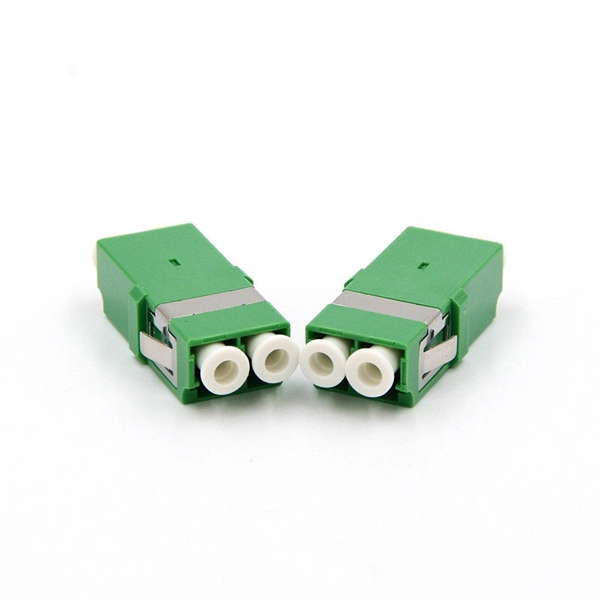
Fiber optic cable is typically installed inside a house by following a few steps. Then, they will drill a small hole in an exterior wall to bring the cable into the house. Inside, the cable is usually run. Unlike traditional copper wires that carry electrical signals, fiber optics use thin strands of glass or plastic to transmit data as pulses of light. The light signals travel at near the speed of light. Fiber optic technology operates on the principle of total internal reflection, where light is bounced off the cable walls until it reaches the other end. This ensures that the signal remains intact over greater distances compared to traditional copper cables. An Overview of Installation Techniques reveals a.
Very compact and flexible, designed to fit tight ducts or microducts. Installed on poles or messenger wires, exposed to wind, ice, and sunlight. Require tensile strength and UV-resistant jackets. Laid directly. A conduit is a protective tube or channel that houses the fiber optic cables, shielding them from moisture, dust, physical stress, and other environmental factors. With these assemblies we mention in this article, the widest point of. These are the outdoor fiber optic cables you see strung along telephone poles (aerial), installed inside an underground duct, or even buried directly below ground. Rugged fiber optic cable is constructed so as to resist ultra-violet light and temperature fluctuations and may include features to. HDPE conduit is often Allwire's recommended solution for reliable fiber optic protection, especially in underground and buried cable applications. We find it suitable for a wide range of projects due to HDPE's combination of flexibility, corrosion resistance, and high tensile strength.
[PDF Version]
Whether you're installing new fiber optic cables or troubleshooting and repairing an existing fiber network, a working knowledge of the regulations that apply to your project can help you (and your team) stay s.
Contact us for competitive quotes on any of our power communication and smart grid products
Get a Quote