
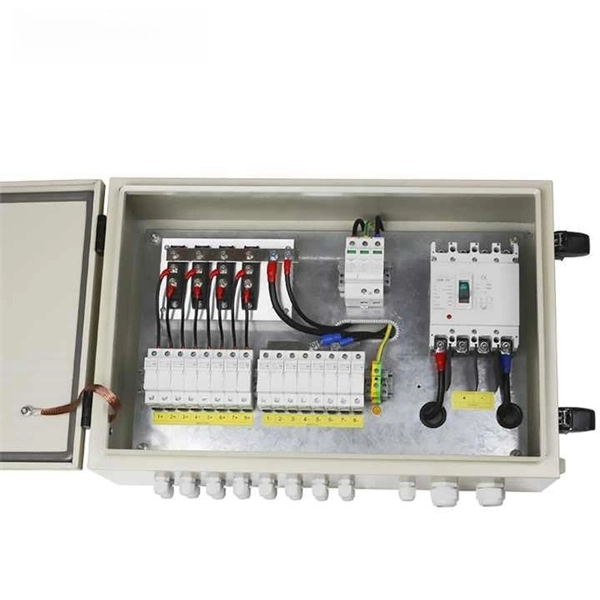
While many factors can contribute to corrosion, there are three primary causes: poor ventilation, high temperatures, and electrolytic action. Inadequate ventilation can occur when corrosion-prone metals are enclosed such that airflow is prevented from reaching it. While isolating external moisture is Powbinet's primary task, an overly tight structure can lead to internal heat buildup, a physical phenomenon that can actually cause equipment malfunctions. Since electrical. Corroding metals and associated corrosion products in finished water can react with disinfectants, causing areas of low disinfectant residual in the distribution system. Maintaining the structural integrity of the steel enclosures essentially depends on the precise matching of the material's metallurgical. It is designed for use by suppliers, installers, inspectors, and users of electrical products. Therefore, certain measures should be taken to prevent the distribution box from corrosion.
[PDF Version]
Choose the right box based on environment (indoor/outdoor), load capacity, and durability. Check for proper IP/NEMA ratings and material quality. Power Distribution Equipment is a term generally used to describe any apparatus used for the generation, transmission, distribution, or control of electrical energy. This section concentrates upon commonly used power distribution equipment: Panelboards, Switchboards, Low-Voltage Motor Control. The distribution board configurator from Eaton is a multifaceted, web-based configuration tool for electrical distribution systems from residential construction to small commercial buildings. It helps organize, protect, and control electrical connections in residential, commercial, and industrial electrical systems.
The permitted materials for bonding jumpers are copper, aluminum, copper-clad aluminum, or other corrosion-resistant materials. Copper jumpers serve countless sectors with outstanding results. In power generation and distribution, they connect transformers, circuit breakers, and busbars, ensuring a stable supply even during peak loads. Renewable energy projects rely on them heavily—solar inverters and wind turbine systems. [0m:17s] Also, sometimes referred to as a jumper bar or terminal block jumper, a jumper is typically a short length of conductor, commonly copper, that is used to connect two or more points within an electrical circuit. [0m:32s] While that description can sound a bit complicated, trust me is very. Take a bunch of thin copper wires and braid them together. Among the most commonly used types are Braided Flexible Copper Jumpers, which are known for their flexibility and ability to handle vibration and movement in electrical. Guidelines for selecting, attaching and routing jumper wires on printed circuit boards. Includes strain relief, insulation, soldering and inspection practices to ensure dependable electrical connections.
[PDF Version]
The best protection comes from boxes with IP66 or higher ratings—IP66 confirms complete dust-tightness and resistance to strong water jets. Weatherproof outdoor distribution boxes ensure reliable power distribution in challenging environments by protecting against moisture, dust, and temperature extremes. Unlike standard junction boxes, these distribution systems must. The Ingress Protection (IP) rating system is an international standard that measures how well electrical enclosures resist external elements. Skip the details now, and you're setting yourself up for failed inspections, expensive rework, and even safety hazards down the line.
Learn what OSHA requires for temporary wiring on construction sites, from grounding and GFCI protection to overhead clearances and employer liability. Getting the selection wrong means more than inconvenience—it can mean shutdowns, damaged machinery, or worse. The considerations that follow cover. In this blog post, you'll get actionable tips on how to ensure compliance with NEC (National Electric Code) and OSHA (Occupational Safety and Health Administration) standards. However, exposure to weather, frequent relocation, rough use and other condi-tions not normally encountered with conventional wiring systems necessitate special consideration not require in other applications or in completed structures. Whether you're managing a construction site, hosting an event, or dealing with an emergency situation, these portable electrical units are. Temporary power is common during shutdowns, turnarounds, and construction work — but in hazardous (Ex) areas it introduces additional ignition risks if not designed and managed correctly. This article lays out practical design principles, product choices, and inspection routines to keep temporary.
[PDF Version]
Voltage In/Out: 10 to 30 VDC Maximum Current Load: 10 Amps Operating Temperature Range: -40 to 50 °C Weight: 3. 36 kg) Dimensions: 9 15/16 in x 5 15/16 in x 4 1/2 in (25. 6 cm 2)This publication contains the following new or updated information. 81 ft)] for standard cable lengths. 10. Large electrical power distribution boxes come in several sizes—single-gang for one device, double-gang for two, and so on. Picking the right size helps you stay safe, follow. 4 KV Substation of the ratings indicated above. Surface enclosures with a capacity of 4, 6, 8, 12, 18, 24, 36 and 54 modules with transparent window. Halogen-free plastic materials. Base and frame: ABS RAL 7035 grey.
Contact us for competitive quotes on any of our power communication and smart grid products
Get a Quote