The Logs section provides the tools to view the system logs, authentication logs and auditing logs as well as download the logs in CSV format. Firewall logs can be used by the administrator for troubleshooting network. You can access the system logs by. A security information and event management (SIEM) solution ensures a healthy security posture for an organization's network by monitoring different types of data from the network. Think of logs as breadcrumbs that show everything happening across your routers, switches, firewalls, and other network infrastructure. This includes considerations for configuring the logging settings for different policies, the configuration of local log storage databases, and setting both local logging for the Firewall. A log is an automatically generated, time-stamped file that provides an audit trail for system events on the firewall or network traffic events that the firewall monitors. In this comprehensive guide, we will cover the key concepts, tools, and techniques for analyzing log. Alternate format: Network security logging and monitoring - ITSAP.
[PDF Version]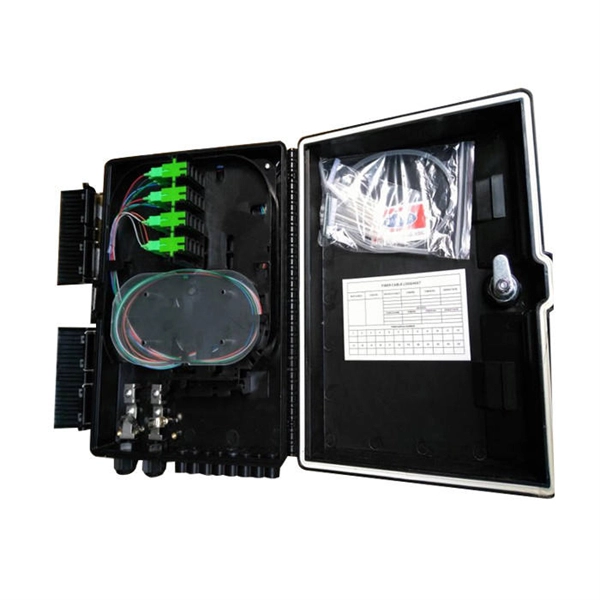
The EU EN 18031 certification introduces a new era of cybersecurity compliance under the Radio Equipment Directive (RED). This article. Network devices represent one of the core pillars of IoT, enabling the smart “things” to connect and communicate with each other. The standard is highly technical, divided into three detailed parts, and can be challenging to navigate without. From the CCDB established Working Group, the Network Device International Technical Community (ND-iTC) was formed. Since August 1, 2025, these requirements have been in full force.
You can create, filter, modify, or delete IPS signatures on the IPS Policy Signatures page in Security Director. The intrusion prevention system (IPS) compares traffic against signatures of known threats and blocks traffic when a threat is detected. To detect such activity, IPS uses signatures. government repository of standards based vulnerability management data represented using the Security Content Automation Protocol (SCAP). The NVD includes databases of security. Many firewall manufacturers can provide the IDS / IPS module with an additional license in their products. Snort can be deployed inline to stop these. These databases store unique threat signatures,malware patterns, virus definitions, intrusion fingerprints,that security tools rely on to spot malicious activity.
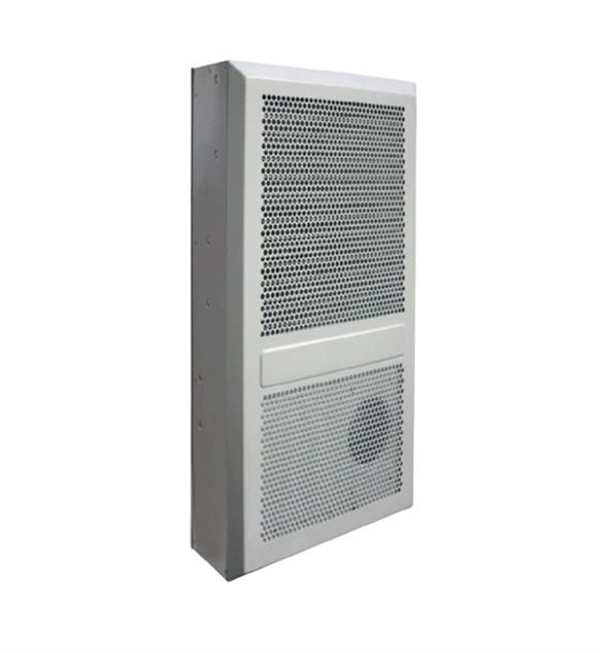
Network security devices are hardware or virtual appliances designed to protect computer networks from unauthorized access, data breaches, and cyberattacks. These devices act as barriers between the internal network and potential threats from the outside world. Whether you're a business owner or an IT professional, understanding the. Effective security systems have multiple layers, like an onion.
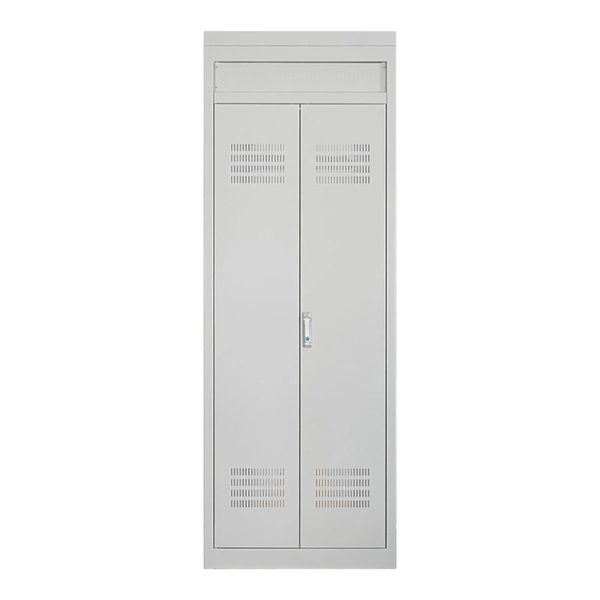
Enables IP routing between VLANs, subnets, and security zones, with advanced routing protocols. Modular chassis or stackable designs make it easy to scale as your network . A core switch is a high-capacity, high-performance Layer 3 switch positioned at the physical backbone of an enterprise network. Engineered to aggregate massive volumes of data from distribution switches, it provides ultra-low latency and maximum throughput to ensure uninterrupted routing and packet. It's more than just a switch; it's the central nervous system of your network infrastructure. A core switch operates at the italic core layer italic of a hierarchical network design, typically handling a massive volume of data traffic. Enable AI-ready 800G infrastructure for data centers of any size. 488 Mpps) + (Number of 100-Megabit Ports × 0.
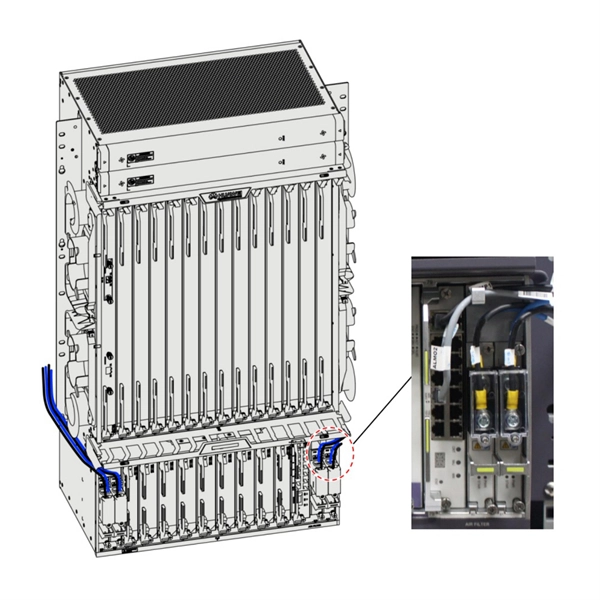
This document provides the overall architecture for Deterministic Networking (DetNet), which provides a capability to carry specified unicast or multicast data flows for real-time applications with extremely low data loss rates and bounded latency within a network domain. ● Other distribution automation applications such as Direct Transfer Trip. Our engineers are experts at multifunction microprocessor-based relay technology, and we design protection schemes for generation, transmission, distribution, and low-volt ge systems worldwide. Of particular concern is the potential for cyberattacks that exploit high-wattage IoT devices, such as EV chargers, to manipulate local demand and destabilize the grid. With tools ranging from intent-based networking to policy-driven orchestration and multi-cloud integration, these leading. The handbook describes various power distribution system constructions and elements there-of, technical considerations, distribution automation infrastructure and functionality, communication aspects, special automation applications and life cycle aspects.
[PDF Version]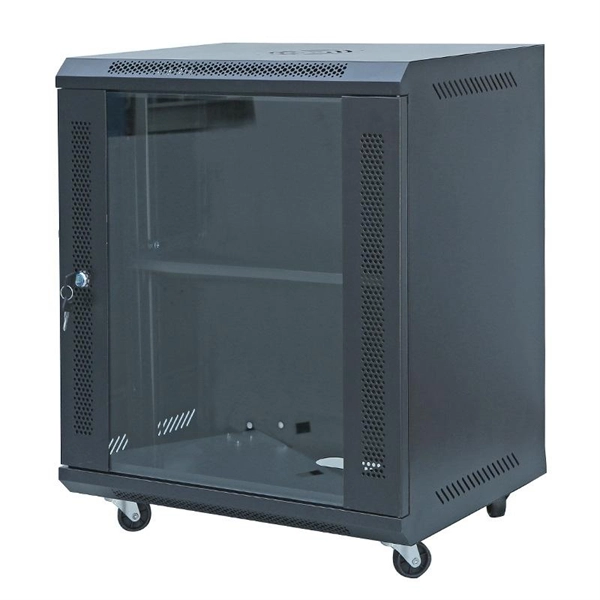
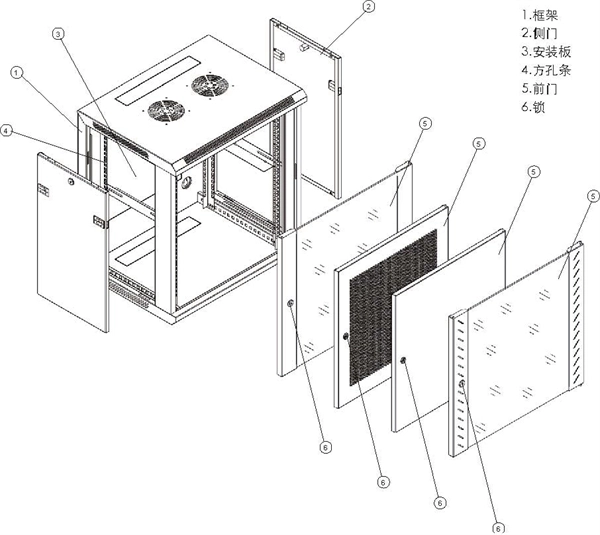
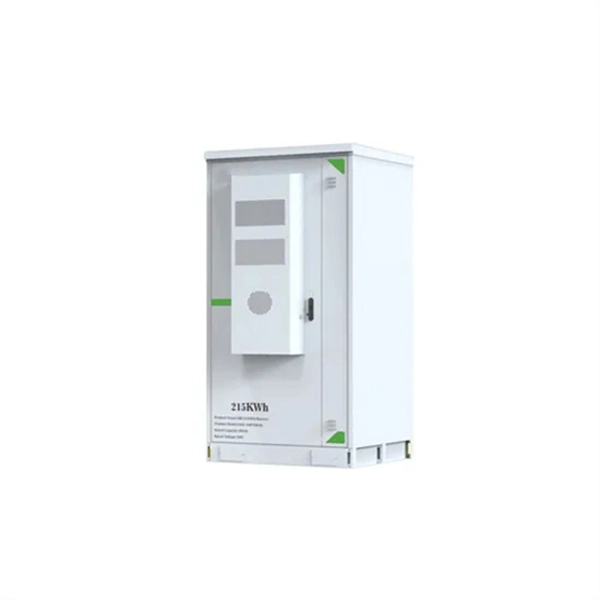
This comprehensive report delivers an in-depth analysis of the evolving network cabinet landscape, emphasizing strategic growth drivers, technological innovations, and competitive dynamics shaping the industry. By synthesizing current market data with forward-looking projections, it empowers. This market report covers Trends, opportunities and forecasts in telecommunications cabinet market to 2031 by type (indoor cabinet and outdoor cabinet), application (large enterprises and SMEs), and region (North America, Europe, Asia Pacific, and the Rest of the World) (Please enter your corporate. Wall Mounted Network Cabinet by Application (Personal, Enterprise), by Types (Wall Mounted Rack Cabinet, Wall Mounted Optical Fiber Cabinet, Wall Mounted Server Cabinet, Others), by North America (United States, Canada, Mexico), by South America (Brazil, Argentina, Rest of South America), by Europe. The future of the global telecommunications cabinet market looks promising with opportunities in the large enterprise and SMEs markets. The global telecommunications cabinet market is expected to grow with a CAGR of 6. 1% during the forecast period 2025-2031.
[PDF Version]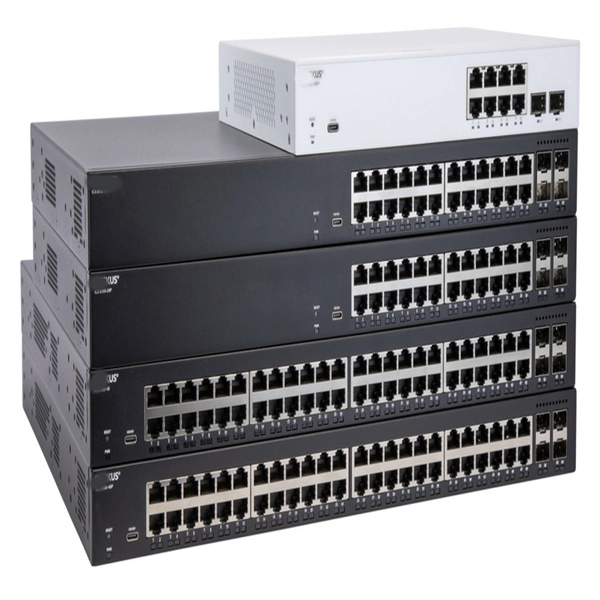
Compact, durable, and efficient, wall-mounted network racks help organizations optimize space without compromising on performance or safety. Whether you are setting up an office, a retail outlet, a data room, or a surveillance control area, wall mount racks deliver significant advantages over. Wall-mount racks are compact, efficient, and versatile. They securely house servers, networking equipment, and other IT hardware, making them ideal for environments with limited space. This guide explores the core benefits, key considerations.
Our guide delivers actionable, step-by-step best practices for rack layout, cable management, and patch panel installation. Following these steps helps you build a clean and efficient structured cabling system that simplifies maintenance and maximizes network performance. In this comprehensive guide. Patch panels are one of the best ways to manage an expansive local area network (LAN) by providing quick and easy access to the ports and connections that connect them altogether. Different patch panel configurations work better depending on the environment. Support single-mode and multi-mode fiber connections.

A fiber optic ring network is a physical or logical network topology where devices (usually switches) are connected in a closed-loop using fiber optic cables. Each node is connected to two other nodes, forming a ring-like structure. This design ensures data can travel in both directions. If one. Fiber rings refer to configurations or architectures used in fiber optic networks, often employed in telecommunications to ensure high-speed data transmission with redundancy and reliability.
Contact us for competitive quotes on any of our power communication and smart grid products
Get a Quote