
The MEMS Optical Switch Module (Size 2 and Size 3) operates through a 16-pin connector. The pin assignments for RS-232 and TTL control interfaces are listed in tables 1, 2, and 3 respectively. The electrical connector is a Molex 87833-1620 male connector, which mates with the female connector. MEMS-based switches offer high reliability that passed well over 10⁹ cycles of switching tests. The design of. Sercalo's optical MEMS switches are the best choice for optical switches in Network supervision and optical test and measurement because they exhibit solid state reliability, ultra small insertion loss and long-term stability. Since 1999 Sercalo Microtechnology Ltd. Built using DiCon's industry proven MEMS fiber optic switch technology, this optical switch offers. Sc us.
SFP transceiver modules almost always require two fiber optic cable strands. The secret lies in fiber optic technology, and understanding the basics—1-core, 2-core, Single Mode (SM), and Multi-mode (MM)—is key to mastering this field. Let's break down these terms in simple, clear language with practical examples. 2-core o In optical modules, "core". SFP (Small Form-factor Pluggable) is a compact, hot-pluggable network interface module used to connect network devices (switches, routers, firewalls) to fiber optic or copper cables. Think of it as the “translator” for your network equipment, converting electrical signals into optical signals. Single fiber modules (BiDi) use one fiber for both transmitting and receiving data. They are easier to set up and give steady communication. Download the Application PDF SFP transceiver.
Single-mode fibers offer better bandwidth performance. However, they reach. There are two main types of fiber optic cables: single mode and multimode. Although they can do the same job in some instances, the different construction methods make each of them better suited to certain tasks and budgets. TOSLINK – Optical Audio. Optical fibers are among the most transformative technologies in modern photonics, quietly enabling the global internet, precision sensing, minimally invasive medicine, and high-power industrial laser systems.
Polarization-maintaining fibers work by intentionally introducing a systematic linear in the fiber, so that there are two well defined polarization modes which propagate along the fiber with very distinct phase velocities. The beat length Lb of such a fiber (for a particular wavelength) is the distance (typically a few millimeters) over which the wave in one mode will experience an additional delay of one wavelength compared to the other polarization mode. Thus a length Lb /2 of such fiber is equivalent to a.
To connect two or more computers or networking devices in a network, network cables are used. This cable contains a conductor, insulator, braiding, and sheath. A computer cable is a medium used to transmit data between devices such as computers, servers, routers, and switches. Each is different and suitable for different applications. This article explores the distinctive features of these three types of cables and the differences in their. When designing or upgrading a network, understanding the differences between coaxial cable, twisted pair, and fiber optic cable—in terms of bandwidth, transmission distance, cost, and interference resistance—is essential. However, real-world decisions are not based on performance alone;. Fiber optic cables, twisted pair cables, and coaxial cables are the three major types of network cables used in communication systems. Fiber optics offer incredible.
[PDF Version]
Fiber is faster, highly reliable, more durable, and great for cloud-based or real-time work. Cable is cheaper to install and more accessible but can get slower during busy hours due to shared bandwidth and asymmetrical speed. Technically, both can reach 10,000Mbps (10Gbps)—cable internet's overall design just needs to catch up with fiber. Are you looking for better. Compare fiber vs. cable internet speeds, reliability, and costs to find the best network connection type for your needs. Learn the pros and cons in this guide. This might affect product placement on our site, but not the content of our. But when it comes to real-world performance, cost factors, and future readiness, is fiber actually better than cable? This comprehensive analysis examines the core principles, speed capabilities, practical strengths, availability considerations, and long-term outlook of both technologies to. Fiber internet connections and cable internet connections have a few key differences that affect their download and upload speeds, which then affects the cost of each.
[PDF Version]
Optical fibers are an integral part of modern communication systems, enabling high-speed data transfer and reliable connectivity. They are thin, transparent strands of glass or plastic used to transmit light signals over long distances. Light acts as a carrier wave and can be modulated to carry information. Fiber is preferred. Recent advancements including coherent detection, optical amplification, and fiber-optic sensing are discussed, along with their impact on future networks.
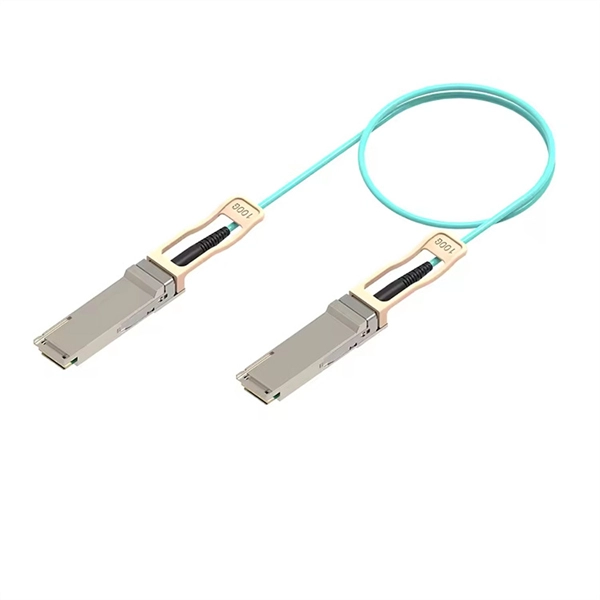
Single fiber modules (BiDi) use one fiber for both transmitting and receiving data. Dual fiber modules use two fibers. They use a thin fiber. Optical Transceivers SFPs 800G OSFP/QSFP-DD800, 400G QSFP112/QSFP-DD, 200G QSFP56, 100G QSFP28/CFPx, 40G QSFP+, 25G SFP28, 25G SFP28 Tunable DWDM, 10G SFP+/XFP/X2, 10G Tunable DWDM, 1G SFP, 155M SFP, DAC, and AOC. Ever wonder how data zooms across cities and continents at lightning speed? The. Optical fibers are among the most transformative technologies in modern photonics, quietly enabling the global internet, precision sensing, minimally invasive medicine, and high-power industrial laser systems. Although they can do the same job in some instances, the different construction methods make each of them better suited to certain tasks and budgets.
High-quality tight-buffered fiber optic pigtail protects the fiber optic core, and is easy to strip for splicing. 0mm Cross-section Diagram Superior cable assemblies reduce light loss and easily meet your diverse cabling requirements. They provide a fast way to make communication devices in the field. Available in a range of multimode and single-mode fibers with SC, ST or LC connectors. Female connectors. See our range of fibre optic pigtails in OS1, OM1, OM2 & OM3 below.

Compatible router: Verify that your router supports fiber optic input (look for an SFP or WAN port labeled "ONT" or "Fiber"). Fiber optic cable: Typically a thin, yellow cable with specialized connectors (SC/APC or SC/UPC). Are you in search of the perfect router for your optical fiber internet connection? Look no further! In this guide, we'll explore the top options available on the market to ensure you experience blazing-fast speeds and seamless connectivity. Whether you're streaming, gaming, or working from home. A fiber-optic connection is the best choice for fast home internet as it has a number of advantages compared to traditional copper cables, such as faster speeds and less interference. Many major ISPs, such as Verizon and Xfinity, offer fiber connections directly to your door, known as FttP or Fiber. To connect your fiber optic cable to a router, ensure you have the following: Fiber optic modem (ONT): Most fiber connections require an Optical Network Terminal (ONT), provided by your ISP. A key advantage of SFP+ Modules is that they are "hot-swappable", meaning they can be swapped out while the router is still powered on.
[PDF Version]Contact us for competitive quotes on any of our power communication and smart grid products
Get a Quote