
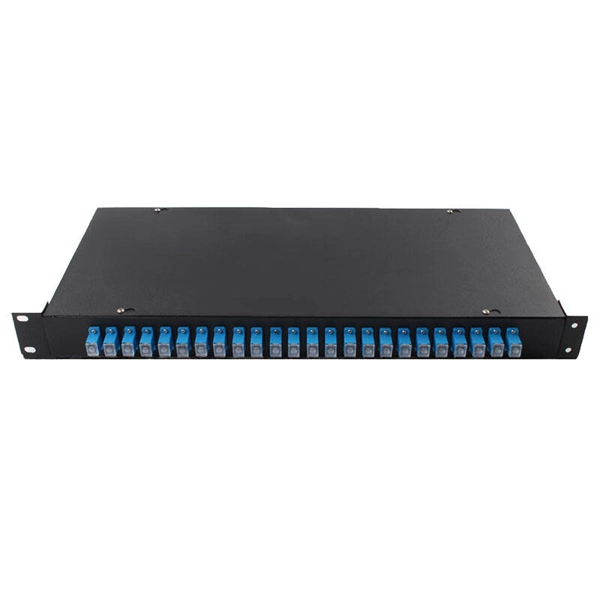
Fiber optic temperature sensors are used for solving specific measurement problems for example where metallic probe either distorts the electromagnetic field significantly e. in microwave ovens or is subject to very high levels of interference, producing spurious readings. In this article, we will only focus on one phenomenon: changes in fluorescence spectra to illustrate the operation; therefore we will demonstrate the principle of operation of the fiber optic temperature sensor based on changes in fluorescence spectra. This is one of the most utilized fiber optic. The paper deals with the overview of fiber optic methods suitable for temperature measurement and monitoring. Among all the reported applications, optical waveguides have been widely exploited to.
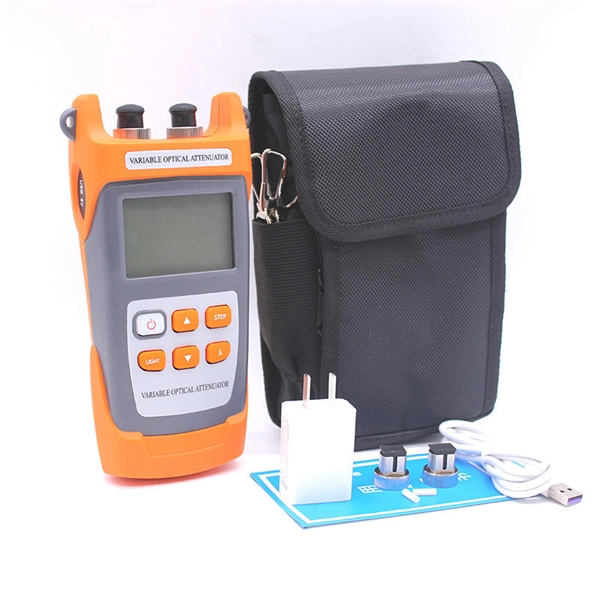
The Fiber Bragg Grating (FBG) provides accurate readings of temperature, strain (both dynamic and static), vibration, pressure, and acceleration over a wide range (-20°C – 900°C). Fiber optic monitoring systems consist of an integrator, a fiber optic sensor, engineering methods, and software. The temperature-dependent change of the refractive indices of the fiber, consequently the shift of its Bragg wavelength, is used as a measure of the temperature. Their unique attributes—compactness, immunity to electromagnetic interference, and multiplexing capabilities—make them a compelling choice for industries ranging from. Fiber Bragg Grating (FBG) technology is one of the most popular choices for optical fiber sensors for strain or temperature measurements due to their simple manufacture, as we will see later on, and due to the relatively strong reflected signal. It should be noted that temperature and strain sensitivities must be considered, when high performance of the optimal sensor is required.
[PDF Version]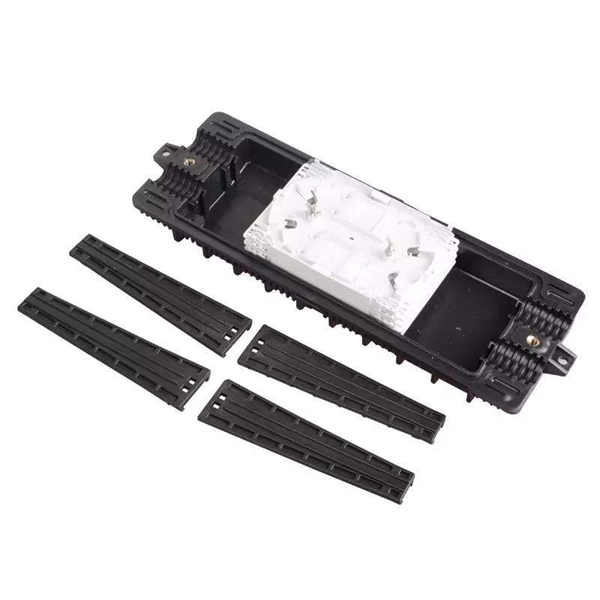
These 10G industrial switches deliver ultra-fast connectivity with support for 10Gbps data rates, ensuring seamless communication for bandwidth-intensive applications. Designed with rugged construction, they withstand extreme temperatures, shock, and vibration, making. Industrial 10G Ethernet switches are built for high-speed data transmission in demanding industrial environments. These switches are designed with high EFT and ESD protection that supports extreme operating temperature environments. TRENDnet's Industrial Gigabit L2 Managed DIN-Rail Switch series offers advanced layer 2 managed features with enhanced traffic controls to meet the evolving demands of today's SMB networks. The DYMEC Industrial Series products, offer a variety of features not found in lesser switch products. With reliable and simple operation against vibration and shock, and wide. Energy-Efficient Ethernet (EEE) reduces power consumption during periods of low network activity The DIS-100G-10 includes two 1GbE SFP ports that support fiber uplinks for longer-distance connections to aggregation switches or central network infrastructure. Fiber cabling can extend connectivity.
[PDF Version]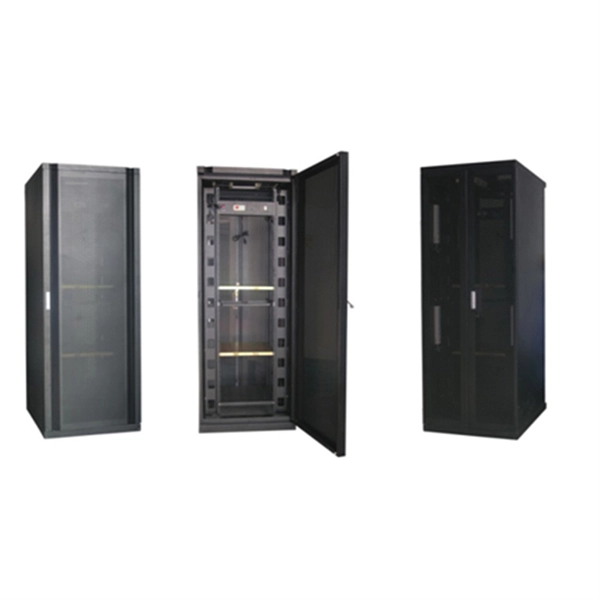
Distributed Temperature Sensing (DTS) system is ideal for detecting fire and monitoring temperature profiles over long-distances. Our fiber optic sensor temperature measurement solutions provide enhanced visibility into your process, allowing you to detect problems before. Fiber optic temperature sensors are immune to the many environmental effects that compromise other measurement technologies, can be embedded and installed in locations traditional temperature sensors cannot and deliver an unprecedented level of spatial detail and data without sacrificing precision. Distributed Temperature Sensing (DTS) systems provide temperature information for accurate thermal monitoring, fire detection, and condition assessment by utilizing standard fiber optic cables. By using the Raman Scattering principle, the temperature distribution along the entire length of an optical fiber cable and the location of temperature anomalies can be determined.
[PDF Version]
The IEC 61439-1 sets the thermal limit in busbars working at the maximum working load. Here, 140°C (which is 105K over the ambient temperature of 35°C) is the upper safe temperature limit. Continuous, real-time busbar temperature monitoring and hot spot detection for MV & HV switchgear, substations and power plants — EMI-immune, calibration-free, fully SCADA-integrated. Thermal monitoring locations include: Eaton Exertherm CTM solution for MV switchgear. Standards mandate that busbars, when carrying their rated continuous current for extended periods, must not experience excessive temperature rise.
Explosion-proof and certified to ATEX, IECEx and UKCA, our enclosures protect mission-critical electrical equipment in hazardous environments. Trusted across oil & gas, petrochemical and marine sectors, all solutions are built in the UK and tailored to your zone. J. Systems Limited Offers a Fully Customizable Explosion Proof and Safe Area Panel Assembly and Wiring Service using a variety of Explosion Proof Ex d Enclosures. All Hazardous Area Enclosures and Terminal Boxes comply with ATEX requirements and are supplied with the relevant Declaration of. At Rowse, we provide a comprehensive range of explosion-proof enclosures that offer reliable protection without compromising on performance. Available in Stainless Steel, GRP and Aluminium our hazardous area enclosures utilise multiple protection concepts including Increased Safety (Ex e), Explosion Proof (Ex d) and Intrinsic Safety (Ex i).
[PDF Version]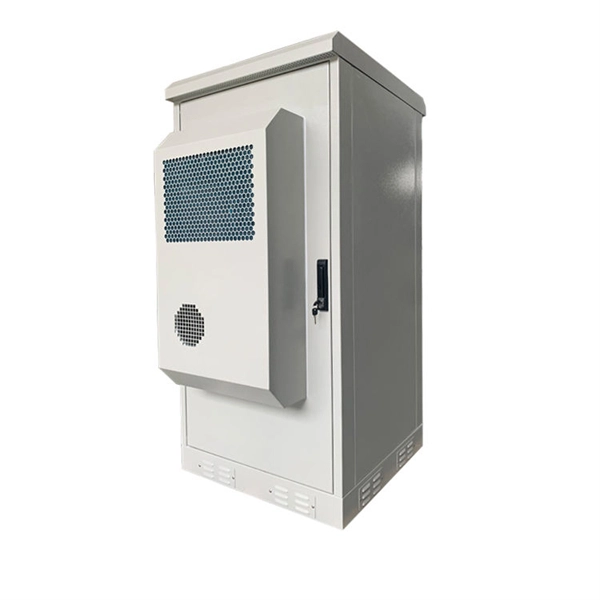
We want to provide our customers with the best experience designing custom enclosures. That is why we provide customers with access to view their enclosure in 3D. Now customers can explore deep inside their custom. We want to provide our customers with the best experience designing custom enclosures. That is why we provide customers with access to view their enclosure in 3D. Now customers can explore deep inside their custom enclosure during the design stage. This enables customers to refine the design and add features before commencing manufacture.We are a specialist electrical enclosure brand that specialises in electrical enclosures. You can be confident that your custom enclosure conforms to IEC62208 and AS60529. We provide custom enclosures up to IP66, Nema 4, Nema 4x. This includes IP55, IP56, IP65 and IP66 rated enclosures. IP Enclosures are certified by an independent accredited test. IP Enclosures provide custom enclosures conforming and certified to IEC 62208 'Empty enclosures for low voltage switchgear and controlgear assemblies'.
[PDF Version]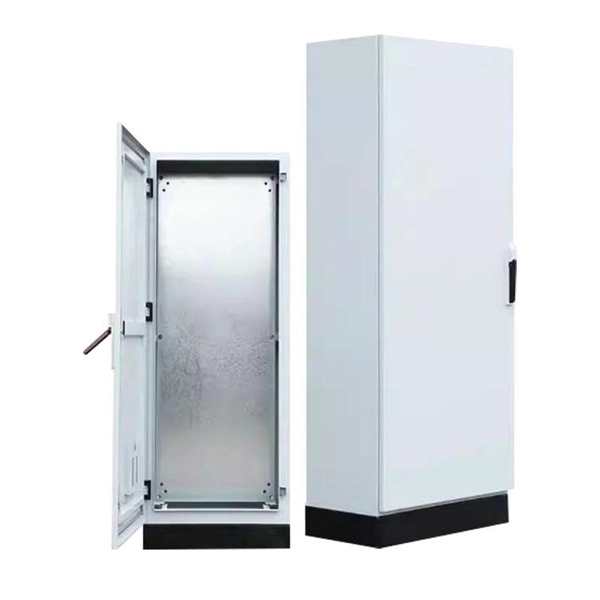
To investigate the optimal radial-arranged-position of the optical fiber in the cross-linked polyethylene (XLPE) power cable, the fibers were arranged into three positions, including segmental conductor c.
We demonstrate the fabrication of fiber-optic Fabry-Perot interferometer (FPI) temperature sensors by bonding a small silicon diaphragm to the tip of an optical fiber using low melting point glass powders heated by a 980 nm laser on an aerogel substrate. Among all the reported applications, optical waveguides have been widely exploited to. This article explores the structure, working principles, advantages, and disadvantages of Fiber Optic Temperature Sensors. Temperature measurement can be achieved through various methods, including: However, these traditional systems often suffer from limited immunity to electromagnetic. Therefore, this type of sensors is inept for gauging temperature in microfluidic or nano-sized devices, in extreme marine environments, and underground geological sites where long distance measurement with precision is required.
Contact us for competitive quotes on any of our power communication and smart grid products
Get a Quote