This four-port KVM switch provides the ultimate in desktop switching. Switch PCs with single-link DVI-D video and transparent USB 2. Control up to four PS/2 and USB servers from your desktop! Use a single PS/2 console to control four PS/2 CPUs with PS/2 or serial mice. 6W monitors the market across 60+ countries Globally, publishing an annual market outlook report that analyses trends, key drivers, Size, Volume, Revenue, opportunities, and market segments. This report offers comprehensive insights, helping businesses understand market dynamics and make informed. Control multiple computers with one keyboard, mouse, and monitor using our recommended KVM switches, with setup guides, troubleshooting tips, and security considerations for work and home office environments. It supports Hotkey control via keyboard, IR remote and button switch. Perfect for all PS/2 switching and. Segments - by Type (Single User, Multi-User), Application (Data Centers, IT Departments, Broadcasting, and Others), Enterprise Size (Small and Medium Enterprises, Large Enterprises), End-User (BFSI, Healthcare, Retail, Media and Entertainment, Manufacturing, IT and Telecommunications, and Others).
[PDF Version]
Though typically known for simplifying multi-computer setups, KVM switches have a powerful application in cybersecurity: they enable physical isolation between computers and networks, reducing the risk of unauthorized remote access. This is particularly concerning in environments where sensitive data is being transmitted, such as in finance or healthcare. Like any. However, they can also pose security risks if not properly configured and managed, potentially allowing unauthorized access to connected systems. In addition to blocking data leakage between multiple connected computers/ servers, a secure KVM switch can prevent eavesdropping through LCD monitors (EDID signal excha ted to networks of differing security classifications.
This guide provides step-by-step instructions for installing two common types of industrial switches: rack-mount, and DIN-rail switches. Choose the Installation Location: Select an appropriate spot on the DIN rail for mounting. Switches are fixed to walls or cabinet interiors using screws or hooks. Flexible placement: Choose mounting height and position based on site needs. DIN rail mounted industrial switches enable efficient. The Cisco® Industrial Ethernet (IE) 1000 Series Switches are compact rugged switches aimed to operational technology (OT) users with limited IT network knowledge. No prior experience needed—just follow along and you'll have your switch installed and running in minutes.
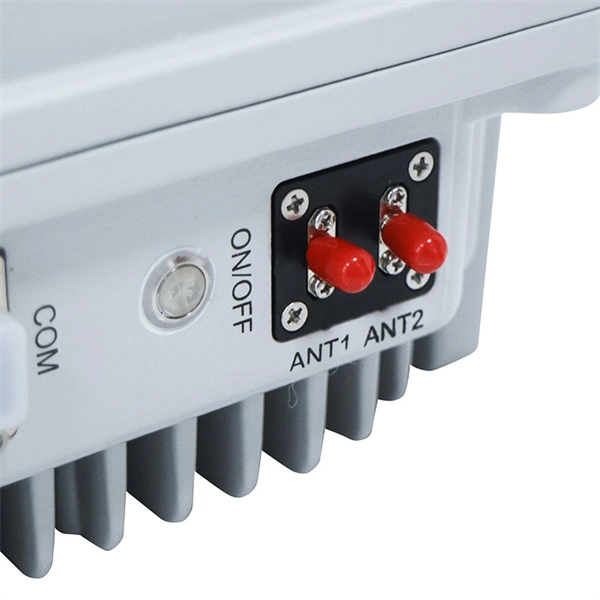
In this guide, we will learn how to control an LED using a simple SPST (Single Pole Single Throw) switch with the 8051 microcontrollers. Combining switches and LEDs in Arduino projects can create interactive and engaging applications. You can make the. I wire single-color LEDs by connecting VCC to a 12V power supply, GND through a switch, and OUTPUT to complete the loop. Then I run the OUTPUT through the switch. The wiring for the LED is very similar to when we first. Pulse Width Modulation (PWM) is a technique for controlling the brightness of LEDs by varying the duty cycle of a square wave.
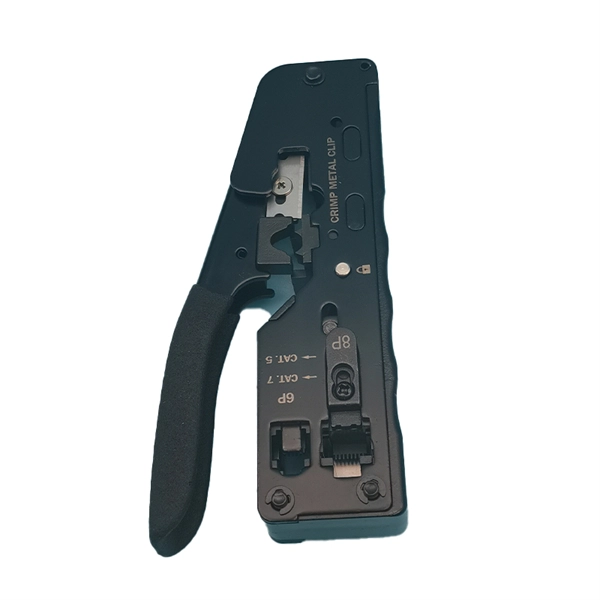
An uplink port generally means a port used that connects toward the core of the network. In this particular usage, the switch's downlink ports are dual speed copper ports. RJ45 ports serve access-layer copper connections; SFP/SFP+ ports enable flexible 1G/10G uplinks; SFP28 delivers 25G for modern data centers; QSFP+ and QSFP28 support high-density 40G/100G spine–leaf. So, the uplink port connects the switch to other switches or “higher” layer routers. Switch normal ports, also known as. The SFP port is commonly found on Gigabit Ethernet switches and is primarily used for fiber optic device connections or for uplinking 1G switches to aggregation/core layer devices, providing higher-bandwidth links. Switch port type should be configured according to the requirement considering the factors like network architecture, speed and. Cisco switch ports are categorized by their physical hardware interfaces (such as RJ45 copper, fiber-optic SFP uplinks, and console ports), their bandwidth speed capacities (Gigabit, 10G, 100G), and their logical operating modes.
[PDF Version]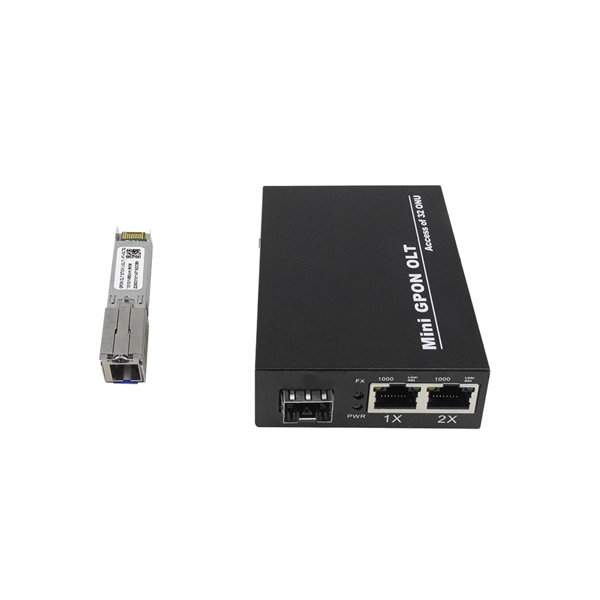
The PoE switch is the central component in a PoE power delivery system, and its capabilities directly determine the stability of both data and power transmission. The initial allocation for Class 0, Class 3, and Class 4 powered devices is 15. When a device starts up and uses CDP or LLDP to send a request for more than. A PoE switch is a network switch that utilizes PoE technology to transmit power and data over the same Ethernet cable to powered devices such as IP cameras, wireless access points, and VoIP phones, simplifying installation and reducing maintenance costs. But what do these terms mean, and how do you choose the right one for your needs? In this article, we'll look at the differences between PoE, PoE+, and PoE++ and. In this configuration, an Ethernet connection includes Power over Ethernet (PoE) (gray cable looping below), and a PoE splitter provides a separate data cable (gray, looping above) and power cable (black, also looping above) for a wireless access point. While most Cisco Catalyst switches deliver PoE out-of-the-box, proper configuration and planning are crucial to prevent.
[PDF Version]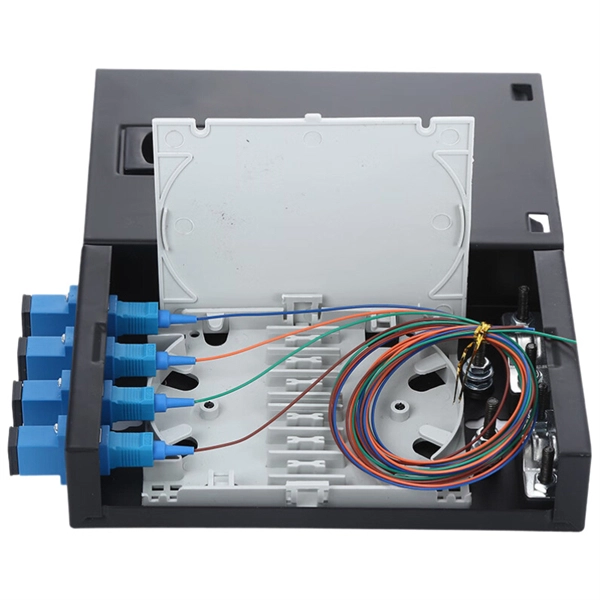
A core switch is a high-capacity, high-performance Layer 3 switch positioned at the physical backbone of an enterprise network. Engineered to aggregate massive volumes of data from distribution switches, it provides ultra-low latency and maximum throughput to ensure uninterrupted routing and packet. A core switch in networking serves as the high-capacity backbone, italic centralizing data flow and ensuring efficient communication between different network segments. Simply put, it's the kingpin that keeps your network humming. You may also want to know: Can a Nintendo Switch Play DS Games? ·. The core switch is the physical core layer. It can be considered a central network layer that performs all the functions, like monitoring traffic and empowering the whole system. It's responsible for accurately routing communication among layers and departments of different sections. The core switch is the most important piece of hardware in this. A core switch is the backbone of a large-scale network, designed to handle massive volumes of traffic with ultra-low latency and maximum reliability.
[PDF Version]
Mechanical Optical Switches: Use physical movement of fibers or mirrors to redirect light. Optical switches are important devices for optical fiber communication sys-tems where they are used for protection, restoration, wavelength routing, fiber-management, automatic patch panel, and in optical cross-connects [1–3]. Its core functionalities include: (1) Signal Blocking/Transmission: Interrupting or permitting light passage through a specific channel. This transition allows data to remain in its native optical form as it travels through fiber optic networks, eliminating the need for. A comprehensive understanding of Switch Optical Modules, Optical Interface Types, and Fiber Optic Connectors is essential for network engineers, technicians, and anyone involved in network design, deployment, and maintenance. This comprehensive guide explores the fundamental principles.
Choose an SFP module based on the fiber optic cabling that will be connected to the network switches. Always. A fiber optic connector is a mechanical device used to align and join optical fibers, enabling light to pass through with minimal loss. Unlike fiber splicing, which is permanent, connectors allow for easy connection and disconnection of cables, making them ideal for maintenance and flexibility in. Fiber optic cabling is increasingly used to connect network switches and other datacom equipment, especially in long-distance and mission-critical applications. Most modern fiber-enabled network switches require an SFP transceiver module. In this article, we'll explain how to connect multiple Ethernet switches using fiber optic cables and the equipment required for this to work. Network topology refers to the way in which the links and nodes of a network are arranged in relation to each other.
[PDF Version]
The Aggregation Layer connects the Core Layer with Access Layer for data collection and distribution, typically by way of convergence layer switches that possess high bandwidths with minimal latency lags and bandwidth-limited latency settings; such switches serve to connect various. The Aggregation Layer connects the Core Layer with Access Layer for data collection and distribution, typically by way of convergence layer switches that possess high bandwidths with minimal latency lags and bandwidth-limited latency settings; such switches serve to connect various. MLAG (Multi-chassis Link Aggregation Group or Multi-chassis LAG) is a method to form the link aggregation group (LAG) among multiple devices for redundancy — When one of the switches fails, the system can still work. 1AX-2008 standard that defined LAG does not mention. An aggregation switch is a network device that consolidates traffic from multiple access switches, wireless access points, or other edge devices and forwards it to core switches or routers. By bundling multiple network connections into a single high-bandwidth link, aggregation switches help. Provides 1G, 2.
[PDF Version]Contact us for competitive quotes on any of our power communication and smart grid products
Get a Quote