
The minimum wire size for earth for light circuits is 1 mm square for copper and 1. How do you measure ground wire? Set the multimeter at continuity or resistance setting. Connect one-meter lead with ground wire and another probe with a known. The National Electrical Code (NEC) provides clear guidelines for ground wire sizing through Table 250. 122, but understanding how to apply these requirements correctly can make the difference between a safe installation and a costly code violation. Now, it's important to understand that you cannot go wrong with a bigger-than-required ground wire.
Attach a #6 AWG copper ground wire and ground lug together. In a line-up of more than one. Recommendation ITU-T L. 151 refers to the installation of optical fibre ground wire cable. It deals with the factors that should be considered in determining the characteristics of this type of cable, the apparatus that should be used, the precautions that should be taken in handling the reels, and. Power from factory ground must be installed by a qualified electrician. This position is the connection point of the grounding wire in the. Follow these steps at each cable entry point and termination location to achieve a compliant, safe ground bond: Identify metallic components. Strip back approximately 6–8 inches of the outer jacket using a cable slitter or ringing tool. Visually identify armor, strength members, or foil layers. The basic rule achieves this through an equipment grounding jumper; four exceptions.
[PDF Version]
So a 16-amp continuous load requires wire sized for at least 20 amps. Electrical Feeder: A set of conductors that distribute electrical power from the main service panel or disconnect to subpanels, distribution equipment, or major loads throughout a building. Before diving into the feeder size charts, it's essential to understand the fundamental concepts that. Our professional wire size calculator follows NEC standards to determine the minimum safe wire gauge for your electrical installation. Here's how to use it effectively: Each input parameter plays a critical role in wire sizing calculations., subpanel), as voltage drop over the length of the run is a significant consideration. But remember—this is just the starting. Whether you're installing a new 30 amp breaker for an electric dryer or sizing a 40 amp breaker for an electric range, understanding the relationship between circuit breakers, wire sizes, and load requirements is essential for safe electrical work.
[PDF Version]
The cable runs directly from one receptacle or switch box to the next, forming a continuous path across multiple rooms. more single phase distribution board wiring In this video, I try to explain the concept of single phase house wiring system with all electrical protection device. It serves as a central hub for distributing electricity throughout a building, ensuring that power is delivered safely and efficiently to all the required locations. As you see in the above diagram, we assumed the light 1 draws 0. Location determination: Determine the installation position of the circuit breaker according to the position of the.
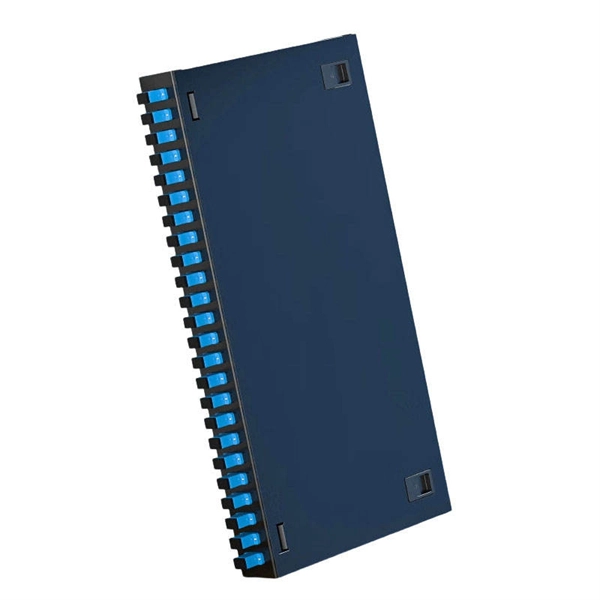
A complete fiber optic cable production line in 2025 requires an initial investment of $750,000 to $2,500,000. With strong market demand, most businesses achieve a full return on investment (ROI). The cost of setting up and operating an optical fiber cable manufacturing unit can vary significantly based on several factors. Understanding these elements is critical to developing a competitive strategy and estimating potential returns on investment. In this article, we'll break down the key. The fiber optic cable market is primarily driven by the significant expansion of broadband infrastructure, along with rising investments in 5G networks, the increasing deployment of data centers, and a growing demand for high-speed communication across telecom, enterprise, and smart city projects. From investment breakdowns and technical specifications to operational expenses and geographic cost considerations, you'll gain actionable insights into what it takes to step into. The report presents a comprehensive capital cost analysis, detailing the financial investment required for setting up a fiber optic cable plant.
[PDF Version]
Protective relays are commonly referred to by standard device numbers. In the design of electrical power systems, the ANSI Standard Device Numbers denote what features a protective device supports (such as a relay or circuit breaker). These types of devices protect electrical systems and components from damage when an unwanted event occurs, such as an electrical. The protection and control devices in electrical equipment can be referred to by numbers, with appropriate suffix letters when necessary, according to the functions they perform. The device numbers are enumerated in ANSI / IEEE Standard C37.
The primary application of fiber Bragg gratings is in optical communications systems. They are specifically used as. They are also used in optical and with an, or (OADM). Figure 5 shows 4 channels, depicted as 4 colours, impinging onto a FBG via an optical circulator. The FBG is set to reflect one of the channels, here channel 4. The signal is reflected back to the circulator where it is directed down and dropped ou.
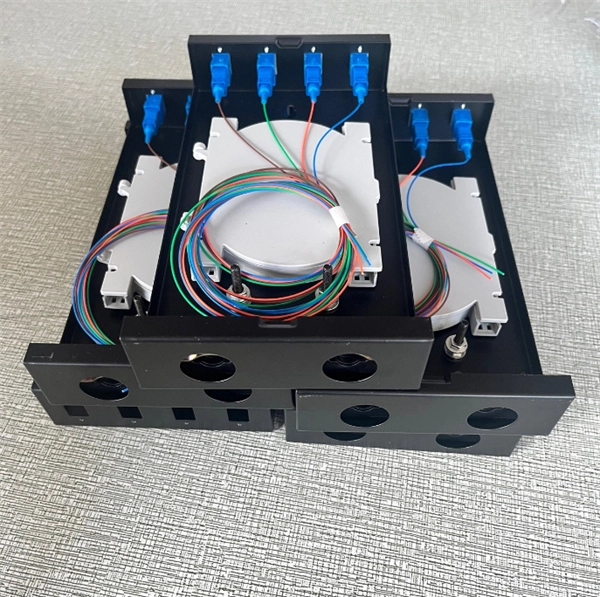
Wireways and cable trays price per foot installation ranges from $8-15 for basic runs to $25-40 for complex multi-level configurations. Electrical wireways quotes rarely include all. Splicing Cable Trays: Type - Splice Plate; Tray Type - Cable Tray; Style-Construction - Reducing; Tray Siderail Height - nominal - 6-in H; Installation - 4-Hole; Material - Aluminum; Siderail Style - U-Beam or H-Beam; Additional Information - Provides one side of a 12-in Reduction. In Canada, buyers. Cable tray pricing depends on materials, coatings, size, supplier margins, and order quantity —plus hidden costs like shipping and installation. You'll save time and money by cutting your field labour in half. The FASTRAY® system is simplistic, utilizing fewer components and generates greater design load capacities. Cable trays will tend to be significantly less expensive to use in 2026 than metal pipes due to their faster installation. 2 Why is Conduit So. Product Category Feedback: Did you find what you are looking for?.
[PDF Version]Contact us for competitive quotes on any of our power communication and smart grid products
Get a Quote