
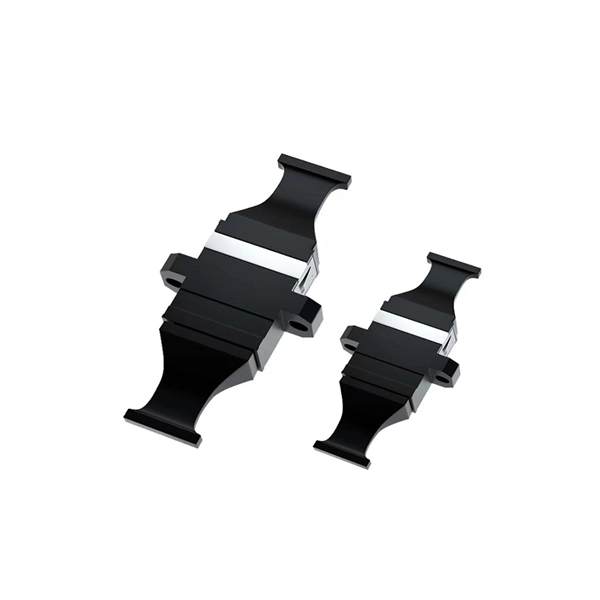
This four-port KVM switch provides the ultimate in desktop switching. Switch PCs with single-link DVI-D video and transparent USB 2. Control up to four PS/2 and USB servers from your desktop! Use a single PS/2 console to control four PS/2 CPUs with PS/2 or serial mice. 6W monitors the market across 60+ countries Globally, publishing an annual market outlook report that analyses trends, key drivers, Size, Volume, Revenue, opportunities, and market segments. This report offers comprehensive insights, helping businesses understand market dynamics and make informed. Control multiple computers with one keyboard, mouse, and monitor using our recommended KVM switches, with setup guides, troubleshooting tips, and security considerations for work and home office environments. It supports Hotkey control via keyboard, IR remote and button switch. Perfect for all PS/2 switching and. Segments - by Type (Single User, Multi-User), Application (Data Centers, IT Departments, Broadcasting, and Others), Enterprise Size (Small and Medium Enterprises, Large Enterprises), End-User (BFSI, Healthcare, Retail, Media and Entertainment, Manufacturing, IT and Telecommunications, and Others).
[PDF Version]
The most popular brands for Kvm Switch Includes Belkin, IOGEAR, StarTech, TRENDnet, Tripp Lite, Black Box, Raritan, D-Link, Lindy, Linksys among many others. A KVM (Keyboard/Video/Mouse) Switch is a piece of hardware that allows you to control multiple computers with a single keyboard, display (video), and mouse. It is also sometimes referred to as a CPU Switcher or PC Switcher. Belkin is a market leader in accessories and strives to deliver audio, connectivity, home automation, productivity, protection, power, and. Explore the top 10 leading KVM Switches companies driving technological advancement and competitive differentiation in a market forecasted to reach $2.
Though typically known for simplifying multi-computer setups, KVM switches have a powerful application in cybersecurity: they enable physical isolation between computers and networks, reducing the risk of unauthorized remote access. This is particularly concerning in environments where sensitive data is being transmitted, such as in finance or healthcare. Like any. However, they can also pose security risks if not properly configured and managed, potentially allowing unauthorized access to connected systems. In addition to blocking data leakage between multiple connected computers/ servers, a secure KVM switch can prevent eavesdropping through LCD monitors (EDID signal excha ted to networks of differing security classifications.
Connect Switch with a corresponding fiber device through a fiber cable, or connect with a Media Converter and change to electrical signal for output. Users could choose to use the SFP fiber port or electrical port of the Switch according to different conditions;Equipped with eight SFP+ ports, two additional SFP28 ports and one RJ45 console port for configuration. With AXIS D8308 Fiber Aggregation Switch you can connect multiple Axis devices using fiber midspans over long distances. Simply put, it defines how network. This article reviews essential features as well as benefits and technical specifications associated with an 8 port sfp optical switch, thus giving you a complete idea of how it works in modern networking environments. Whether you work as an IT professional or have an interest in technology only. This SR8 multimode, parallel, 8-channel transceiver uses two, 4-channel MPO-12/APC optical connectors at 400Gb/s each. The parallel multimode, short reach 8-channel (2xSR4) uses 100G-PAM4 modulation and has a maximum fiber reach of 50-meters using 8 multimode fibers. Cisco Catalyst 1000 Series switches provide support for the.
[PDF Version]
An uplink port generally means a port used that connects toward the core of the network. In this particular usage, the switch's downlink ports are dual speed copper ports. RJ45 ports serve access-layer copper connections; SFP/SFP+ ports enable flexible 1G/10G uplinks; SFP28 delivers 25G for modern data centers; QSFP+ and QSFP28 support high-density 40G/100G spine–leaf. So, the uplink port connects the switch to other switches or “higher” layer routers. Switch normal ports, also known as. The SFP port is commonly found on Gigabit Ethernet switches and is primarily used for fiber optic device connections or for uplinking 1G switches to aggregation/core layer devices, providing higher-bandwidth links. Switch port type should be configured according to the requirement considering the factors like network architecture, speed and. Cisco switch ports are categorized by their physical hardware interfaces (such as RJ45 copper, fiber-optic SFP uplinks, and console ports), their bandwidth speed capacities (Gigabit, 10G, 100G), and their logical operating modes.
[PDF Version]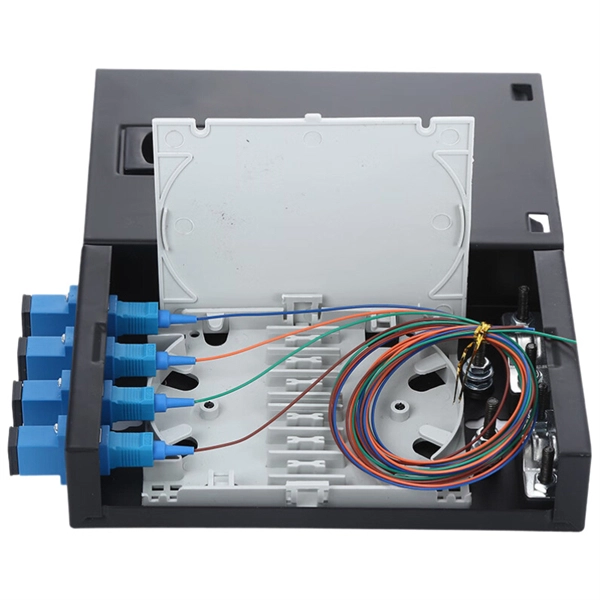
A core switch is a high-capacity, high-performance Layer 3 switch positioned at the physical backbone of an enterprise network. Engineered to aggregate massive volumes of data from distribution switches, it provides ultra-low latency and maximum throughput to ensure uninterrupted routing and packet. A core switch in networking serves as the high-capacity backbone, italic centralizing data flow and ensuring efficient communication between different network segments. Simply put, it's the kingpin that keeps your network humming. You may also want to know: Can a Nintendo Switch Play DS Games? ·. The core switch is the physical core layer. It can be considered a central network layer that performs all the functions, like monitoring traffic and empowering the whole system. It's responsible for accurately routing communication among layers and departments of different sections. The core switch is the most important piece of hardware in this. A core switch is the backbone of a large-scale network, designed to handle massive volumes of traffic with ultra-low latency and maximum reliability.
[PDF Version]
Since V200R011C10, S5720HI series switches can set up stacks in service port stacking mode using dedicated stack cables. When 10GE SFP+ optical ports are used as stack ports, a switch supports a maximum of two logical stack ports, and each logical stack port supports a maximum of four stack member ports. Each switch can. This article summarizes several solutions for using optical modules with switches and common problems encountered during usage, along with specific solutions. Huawei S5720-32P-EI-AC Switch II. Posted by:XPONSHOP As we know, switch stacking deployment has some special requirement or limitation, this blog will share the software version and model requirement in detail on Huawei S Series Switches stack. Switch stacking is the process of combining multiple switches into a logical device that participates in data forwarding as a whole, in order to expand the number of ports, simplify networking, increase reliability, and extend the system's processing power and bandwidth. Moduletek Labs takes Huawei. Switch stacking is a cornerstone of modern network design, enabling simplified management, improved redundancy, and scalable bandwidth.
[PDF Version]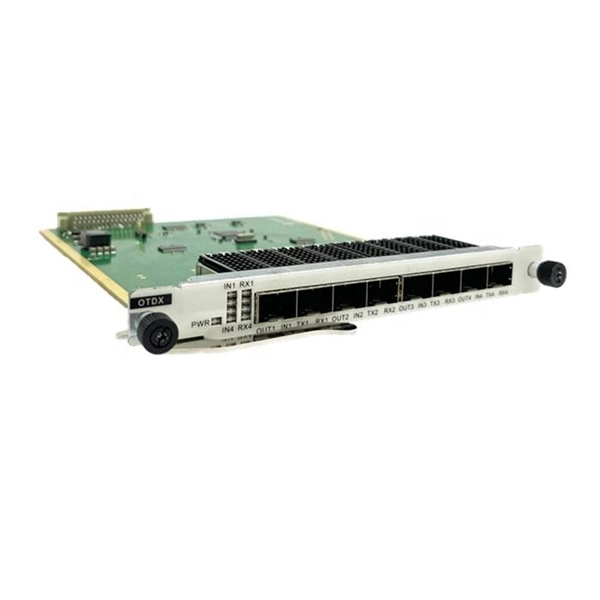
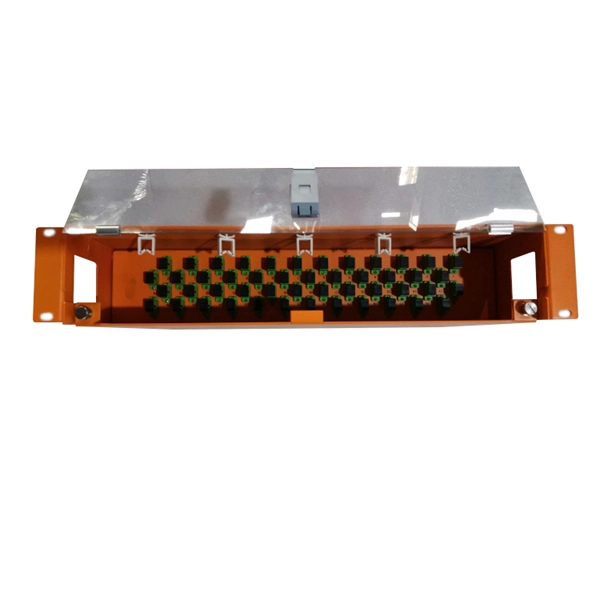
Our splice boxes are used to securely connect and distribute fibre optic cables by protecting spliced glass fibres from external influences. Price and other details may vary based on product size and color. The front panel is provided with additional holes to fix the adapter with screws. The cover h Faber fibre splice boxes are telescopic. AFL offers robust fiber optic splice closures—including Apex® high-density and LightGuard® weathertight and sealed models—for above-ground, aerial, and buried applications.
PoE switches provide a stable and reliable network experience through wired connections, avoiding the interference issues of wireless signals. They use dedicated pairs of wires to separately transmit power and data, ensuring that network performance is not affected by the power. A PoE switch is a special network switch that sends electricity and internet data through one regular Ethernet cable (like the ones you use for Wi-Fi or computers). ) via Ethernet cables, enabling them to communicate over a Local Area Network (LAN). A Power over Ethernet switch both enables communication among network clients and provides power using the same RJ45 network cable to PoE-enabled edge devices, such as VoIP. While both serve the same basic function of connecting network devices, a PoE switch offers built-in Power over Ethernet (PoE) capabilities that can significantly simplify deployment and reduce costs in certain scenarios. It transfers data between them, manages traffic, and ensures that packets reach the right destination. A regular switch does only that: it.
[PDF Version]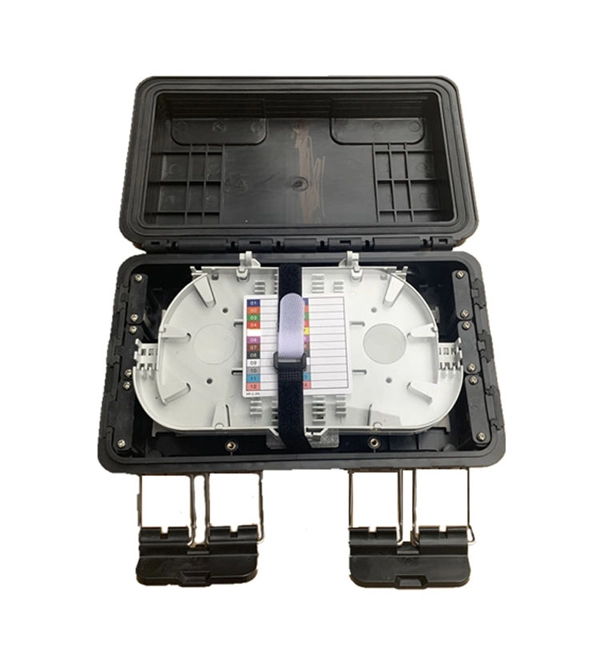
SFP transceiver modules almost always require two fiber optic cable strands. The secret lies in fiber optic technology, and understanding the basics—1-core, 2-core, Single Mode (SM), and Multi-mode (MM)—is key to mastering this field. Let's break down these terms in simple, clear language with practical examples. 2-core o In optical modules, "core". SFP (Small Form-factor Pluggable) is a compact, hot-pluggable network interface module used to connect network devices (switches, routers, firewalls) to fiber optic or copper cables. Think of it as the “translator” for your network equipment, converting electrical signals into optical signals. Single fiber modules (BiDi) use one fiber for both transmitting and receiving data. They are easier to set up and give steady communication. Download the Application PDF SFP transceiver.
Contact us for competitive quotes on any of our power communication and smart grid products
Get a Quote