
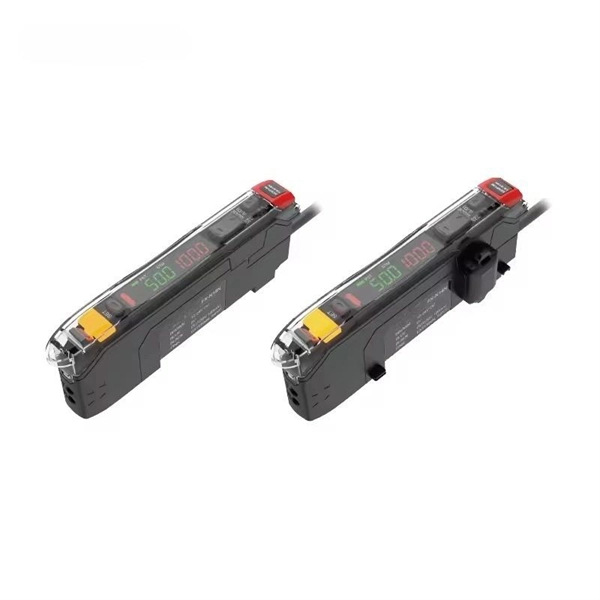
Buy FTTH drop cables: singlemode, for indoor and outdoor installation, with a test report for reliable fiber-optic connections. Fiber Optic Cable, Drop, Outdoor Arid Core Gel-Free Tubes, Double Jacket Dielectric Fiber Optic Cable, Drop, Indoor Zero Halogen, CPR-only flame rated, Dielectric Fiber Optic Cable, Drop, Outdoor Messenger Self-Support, Messenger Fiber Optic Cable, Drop, Outdoor Arid Core Gel-Filled Tubes, Armored. For Internet Service Providers (ISPs) and network operators, the Fiber-to-the-Home (FTTH) race is a race for reliability. While backbone and distribution networks get the most attention during planning, the success of the entire architecture rests on the most fragile link: the fiber optic drop. In any FTTH (Fiber to the Home) network, the drop cable is the final and most critical part of the optical access network. Fiber optic cable is designed to transmit data using light signals instead of electricity, making it faster, more secure, and immune to electromagnetic interference compared to traditional copper cables.
[PDF Version]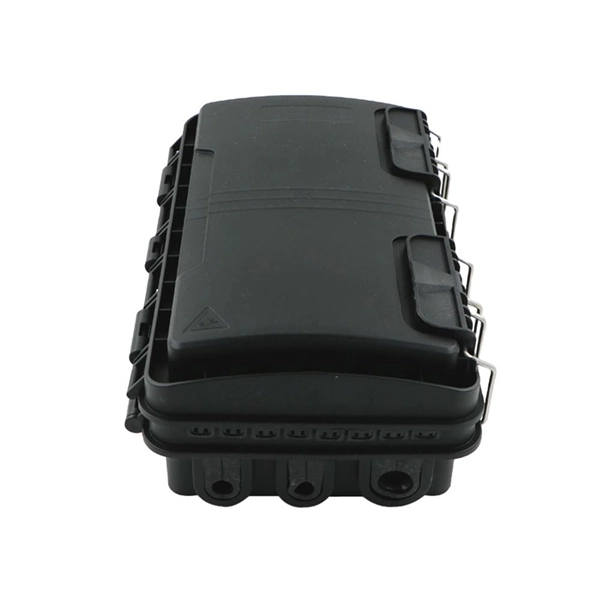
A simple 1-core FTTH drop cable costs around $0. Fiber-optic cable materials typically cost $1 to $6 per linear foot, depending on fiber count and cable type. Commercial building installations with 100-200 network drops generally range from $15,000 to $30,000. Below are typical price ranges (USD per meter) in bulk orders (≥ 5 km): Insight: Armored cables cost ~50% more than indoor LSZH, but save on maintenance in harsh environments. This guide presents ranges in USD and practical price estimates to help. Typically, per drop fiber cabling prices range from $250 – $1000 per drop depending on the type of fiber (OM2, OM3, OM4, or OM5), multi or single mode, PVC or plenum, average drop length, and also the number of fibers in each cable. Adding switches, high-end enclosures and other issues can also. In 2025, the base glass price has stabilized. The price landscape varies from basic drop cables to enterprise backbone runs, with per foot and per reel pricing common in estimates.
[PDF Version]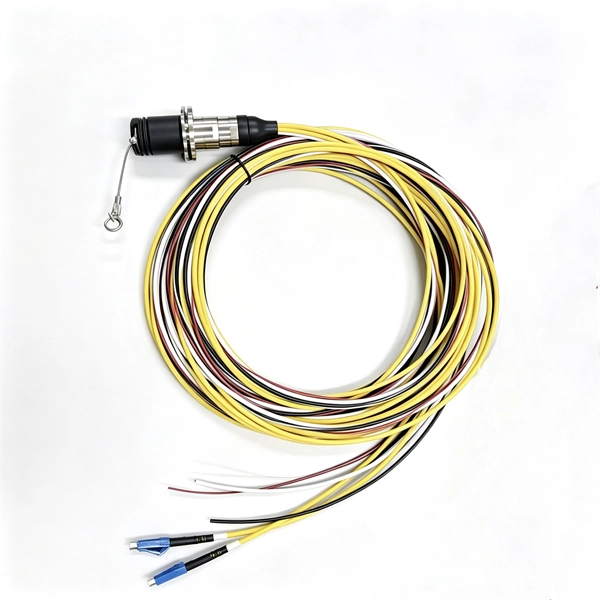
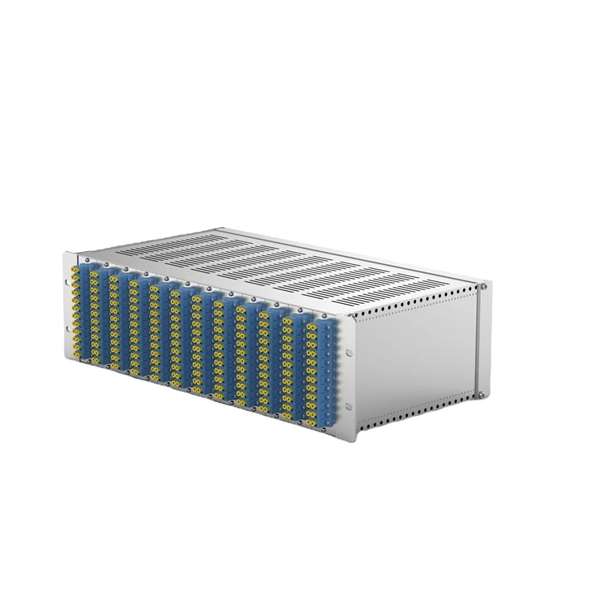
A fiber patch panel is a mounted enclosure—either rack-mounted or wall-mounted—used to terminate, manage, and interconnect multiple fiber optic cables. It acts as a hub for organizing splices and patch cords, streamlining fiber management and preserving signal integrity. A bulk (multi-strand) fiber cable enters the patch panel and then each fiber strand is separated into individual strands or pairs of strands. A practical guide for FTTH, data centers, and telecom systems. In modern fiber optic networks, reliability, scalability, and ease of maintenance are just as important as transmission speed.
A fiber-optic cable, also known as an optical-fiber cable, is an assembly similar to an electrical cable but containing one or more optical fibers that are used to carry light. A TOSLINK optical fiber cable with a clear jacket. These cables are used mainly for digital audio connections between devices. With. Unlike copper wires, which are limited by lower data transmission speeds, shorter transmission distances, and higher susceptibility to electromagnetic interference, fiber optic cables offer unparalleled performance and can cover much greater distances without bumping up against signal degradation. Optical fiber is a technology used to transmit data by sending short light pulses along a long fiber, which is typically made of glass or plastic.
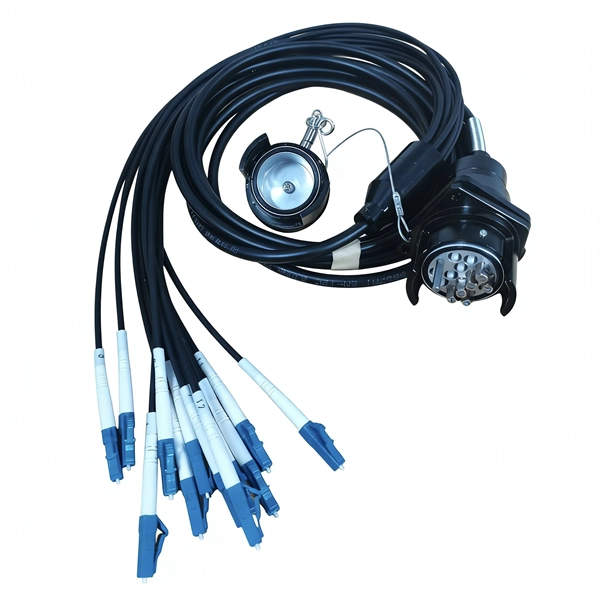
Here's everything you need to know about the various fiber optic cable types, what makes them so useful, and what type of fiber optic cables you want to buy for your next networking project.
Threaded entries for threaded bushings must conform to the minimum requirements of EN 60079-0, section 5. The Fiber Optic Association, Inc. (FOA) was founded in 1995 to help develop the workforce to build the fiber optic networks to support a rapid expansion in communications and the Internet. The charter of the FOA was to promote professionalism in fiber optics through education, certification, and. The following items are key considerations in preparation for installing the fiber optic cable when the construction is ready for cable placement. Optical fiber cable should be carefully inspected when received and stored safely onside during storage before installation. FO-VC2 JOINT USE - VERICAL MIDSPAN CLEARANCES 48.
Most people assume the internet operates through satellites, but in reality, 99% of global internet traffic travels through undersea fiber optic cables. This hidden infrastructure, a web of more than 1. 3 million kilometres of fibre optic lines, is the true backbone of. A fiber optic cable is a thin strand of glass or plastic that transmits data as pulses of light instead of electrical signals. Where traditional copper cables max out at about 10 gigabits per second, fiber optic cables can handle 100 gigabits per second with commercially available hardware, and. Modern submarine cables use fiber-optic technology. These glass fibers are wrapped in layers of plastic (and sometimes steel wire) for protection. How thick are undersea cables? For. Subsea cables serve as critical infrastructure in global power transmission and communications networks, connecting isolated communities to the outside world. Unlike. Today, there are more than 500 active submarine cables crisscrossing the world's oceans, stretching over 1. They connect major cities and data hubs such as New York and London, Lagos and Lisbon, Singapore and Los Angeles.
[PDF Version]
A fiber-optic splitter, also known as a beam splitter, is based on a quartz substrate of an integrated waveguide optical power distribution device, similar to a coaxial cable transmission system. The optical network system uses an optical signal coupled to the branch distribution. The fiber optic splitter is one of the most important passive devices in the optical fiber link. It is an optical fiber tandem d. TypesAccording to the principle, fiber optic splitters can be divided into Fused Biconical Taper (FBT) splitter and. Wave splitting involves dividing a light beam into multiple streams. The daughter streams can be equal or in some other ratio. The FBT splitter uses two (or more) fibers. The fibers'. • The FBT splitter offers low cost, common materials (quartz substrate, stainless steel, fiber, hot dorm, GEL), and an adjustable splitting ratio. However, its losses are wavelength-dependent and it offers poor spectral uni. • • • • •.
[PDF Version]
Single fiber modules (BiDi) use one fiber for both transmitting and receiving data. These two categories define how light travels through the fiber core: Transmits a single light mode; very low attenuation; supports long-distance transmission up to 100 km or more. Transmits multiple light modes;. In the landscape of network infrastructure, three primary cable categories dominate connectivity: twisted-pair copper cables, coaxial cables, and fiber optic cables. That makes picking between single mode and multimode fiber optic cables an. There are different types of fiber optic cables because each type is optimized for specific applications that have unique requirements for bandwidth, transmission distance, and environmental factors.
Contact us for competitive quotes on any of our power communication and smart grid products
Get a Quote