
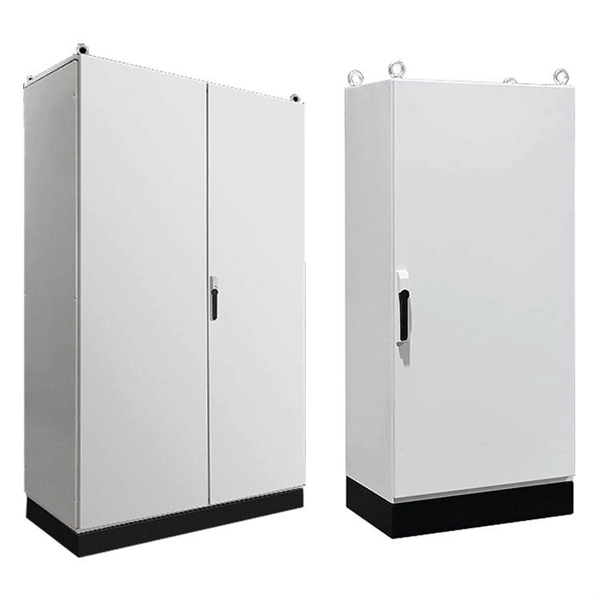
Based on IEC 61850, the general system architecture with low-voltage switchgear can be divided into three different levels: 1. Station level 2. Bay level 3. Process level The station level generally consi.
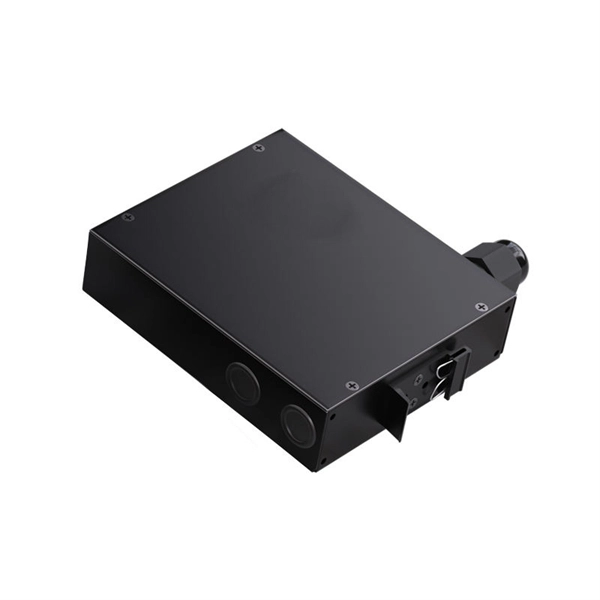
Depend of Contract, if necessary (cable laying jobis shared among few Companies), Contractor shall fill the Table “tScope” in order to define which cables shall be laid by which Company for easie.

A fiber optic ring network is a physical or logical network topology where devices (usually switches) are connected in a closed-loop using fiber optic cables. Each node is connected to two other nodes, forming a ring-like structure. This design ensures data can travel in both directions. If one. Fiber rings refer to configurations or architectures used in fiber optic networks, often employed in telecommunications to ensure high-speed data transmission with redundancy and reliability.
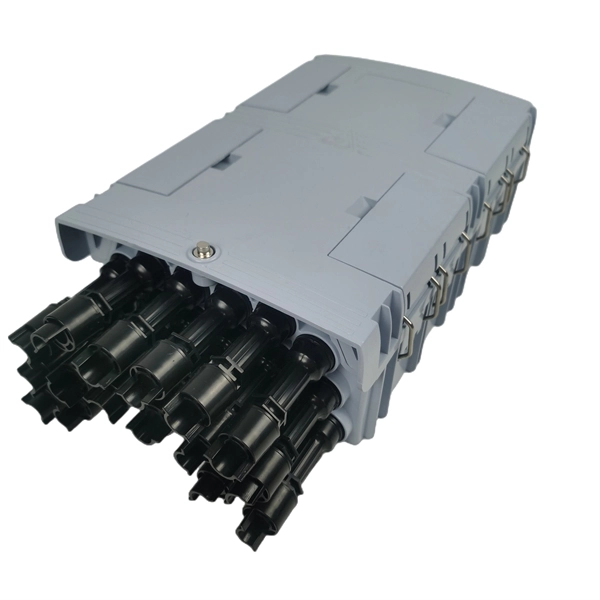
Answer: Yes; cables are tied down in cable trays to keep the cables in the cable tray, to maintain spacing between cables, or to segregate or confine certain types of cables to specific locations. The last two items can also be accomplished with a solid fixed barrier. This publication is intended as a practical guide for the proper and safe* installation of cable ladder systems, cable tray systems, channel support systems and associated supports. This is a description of how to select, install, and support these metal or plastic frames, on which electrical wires are installed. The cable tray support span must be determined based on the manufacturer's load capacity chart and the total anticipated weight of the cables.
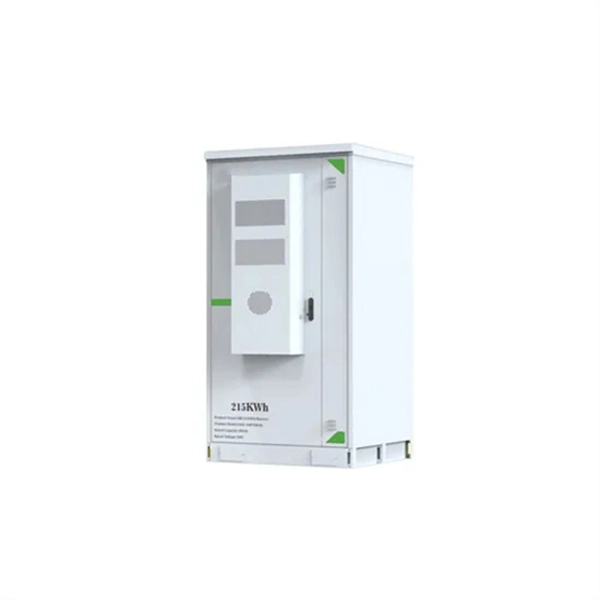
Our guide delivers actionable, step-by-step best practices for rack layout, cable management, and patch panel installation. Following these steps helps you build a clean and efficient structured cabling system that simplifies maintenance and maximizes network performance. In this comprehensive guide. Patch panels are one of the best ways to manage an expansive local area network (LAN) by providing quick and easy access to the ports and connections that connect them altogether. Different patch panel configurations work better depending on the environment. Support single-mode and multi-mode fiber connections.
To improve this, power can be delivered from overhead, either from cables in trays or (increasingly) through busways which support flexible connectors down to the racks, where power distribution units (PDUs) provide power outlets for individual switches and servers. Power distribution inside a data center rack is more complex than many engineers expect. Each rack must safely deliver stable electrical power to dozens of servers, switches, and storage devices while maintaining reliability, airflow efficiency, and electrical safety. The UPS is used as a backup power source in case of power outages, providing power to the servers for a short period of time to allow them to shut down. From the utility grid to the server rack, Data Center Power Flow moves through multiple layers of protection, transformation, conditioning, and distribution to ensure uptime and reliability. To understand how these systems work together, see our. Data centers get power from devices that direct electricity to servers, networking equipment, and storage systems located within server racks.
[PDF Version]
Enables IP routing between VLANs, subnets, and security zones, with advanced routing protocols. Modular chassis or stackable designs make it easy to scale as your network . A core switch is a high-capacity, high-performance Layer 3 switch positioned at the physical backbone of an enterprise network. Engineered to aggregate massive volumes of data from distribution switches, it provides ultra-low latency and maximum throughput to ensure uninterrupted routing and packet. It's more than just a switch; it's the central nervous system of your network infrastructure. A core switch operates at the italic core layer italic of a hierarchical network design, typically handling a massive volume of data traffic. Enable AI-ready 800G infrastructure for data centers of any size. 488 Mpps) + (Number of 100-Megabit Ports × 0.
The QSFP28 module provides 100GBase-LR4 throughput up to 10km over a standard pair of single-mode fiber (SMF) with duplex LC connectors. This transceiver is compliant with IEEE 802. 3ba 100GBASE-LR4, IEEE 802. 3bm, SFF-8665 and SFF-8636 standards. FS 100G Switches offer high programmability and scalability, designed for large enterprises and hyper-converged infrastructure (HCI) networks. The fiber optic ports are designed as SFP slots, therefore you can connect to any fiber type or different wavelengths by choosing a suitable SFP module. These advanced modules enable high-density, high-capacity connectivity, ensuring optimal performance. Fiber Mall 100G QSFP28 100GBASE-SR4 Optical Transceiver Module 850nm 100m MMF MTP/MPO D0M for Juniper Networks JNP-QSFP-100G-SR4 What is Desertcart? Is it safe to order from?+ The customer service exceeded my expectations. Perfect for buying products you can't find elsewhere.
[PDF Version]
Huawei OptiXstar P813E-E is an Optical Network Unit (ONU) with eight GE ports that support Power over Ethernet (PoE) and Power over Ethernet Plus (PoE+), delivering high-quality voice, data, and High-Definition (HD) video services. Use this guide to learn about the Juniper Networks® 800G optical transceivers and cables, their specifications, and how to install, remove, and maintain these transceivers. Not all these need to be fully delivered for data center operators to benefit from 800G upgrades. 7 Billion in 2024 and is projected to reach USD 1. The optical network unit (ONU) market in South Korea has witnessed substantial growth in recent years, driven by. Delivering up to 800 Gbps of bandwidth, Orion provides the performance that will effectively allow coherent pluggable modules to be used across most—if not all—optical spans in today's telecommunications networks. On the other hand, the market needs are not only for higher capacity but also. In an 800G coherent link, each wavelength transmits around 800 Gb/s by increasing symbol rates or using advanced modulation, enabling terabit-level capacity per fiber.
[PDF Version]Contact us for competitive quotes on any of our power communication and smart grid products
Get a Quote