
Access 128 verified Fiber Optic Cables Suppliers in Indonesia with shipment-level prices, volumes, routes, buyer networks, and verified decision-maker contacts — all backed by bills-of-lading. Read our Blog: How to get Buyers Response in the first attempt?High-quality fiber optic cables with full OEM/ODM customization—branding, size, packaging & more. com is a B2B Marketplace of companies specialized in Importer, Distributor, Trading, Services, Fiber Optic Cable Factory and Exporter. Terang Net Telekomunikasi Pt Terang Net Group Was. Identify and compare relevant B2B manufacturers, suppliers and retailers Max. Sourcing managers and procurement leaders use Volza's Company Profiler to analyze shipment volumes, trade routes, and buyer. Communication Cable Systems Indonesia ( CCSI ) offerings : CCSI Distinguished and only submarine fiber optic cable manufacturer in Asean Region was established in 1996. Being supported by Corning International in both fiber and technical know how license, CCSI has been recognized as the best fiber.
[PDF Version]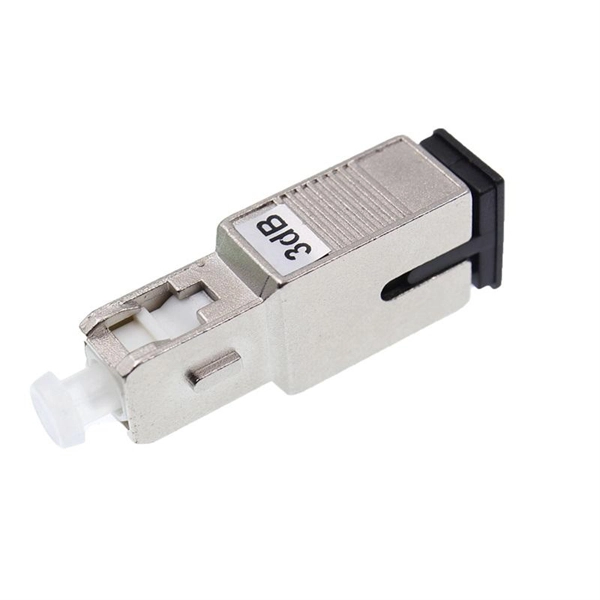
Armored fiber optic cables are designed to protect delicate optical fibers from physical damage while maintaining high transmission performance. This article explains what armored fiber cables are, their key. Executive Summary: Both armored and unarmored fiber optic cables transmit light signals at near-speed-of-light speeds. But when it comes to protecting your fiber optic network from rodents, construction damage, and harsh weather, the difference between these two cable types can mean the difference. Armored fiber cable is a fiber optic cable reinforced with additional protective layers to enhance its durability and resistance to external damage. The armor typically consists of. This guide provides a complete installation process for armored fiber optic cords, explaining each step from routing and pulling to stripping, cleaning, and testing.
This document outlines the procedure recommended by Panduit for field permanent link loss testing of multimode and singlemode structured cabling systems. It simply means a reduction in optical power, for example the loss caused by a component or an entire cable. The component could be a length of fiber, a splice, a connection made between two connectors or a passive component like an. FOA "Quickstart Guides" are short, simple guides to basic fiber optic tests. References to FOA "1. Launch Fibers are packaged in a rugged, convenient zipper case, designed for use with our T-Pak magnetic / hanger / hook and loop strap. Also known as launch packs or Dead Zone Eliminators used for OTDR (Tier II) testing Fluke Networks Test Reference Cords and Launch Fibers with LC connectors. This Applications Engineering Note (AEN 135) explains and recommends standard measurement methods for characterizing optical fiber system performance.
[PDF Version]
Learn how to splice fiber optic cable using fusion splicing with this complete step-by-step guide. Includes tools, best practices, loss standards (ITU-T G. 652), cost analysis, and FAQs for network engineers and installers. Regardless of the type of fiber network you're deploying, be it for telecom, enterprise data centers, or smart city infrastructure, fusion splicing provides the benefits of. OPGW cable joint box installation involves several key stages: selecting the appropriate location, preparing both the cable and the joint box, splicing fibers, and sealing the joint box properly. Adhering to these steps ensures optimal performance and longevity of the telecommunications system. Ensure Your Splicing Tools are Clean – #2.
A conduit is a protective tube or channel that houses the fiber optic cables, shielding them from moisture, dust, physical stress, and other environmental factors. It also facilitates cable management and ease of maintenance. The conduit protects the fragile fiber optic cables from environmental factors and physical damage, ensuring their longevity and optimal. Based on installation methods, outdoor fiber optic cables are categorized as follows: Underground fiber cables are generally pulled within a conduit that is buried underground, usually 1 to 2 meters deep, to reduce the possibility of being dug up. 2 meters (3-4 feet) deep to reduce the likelihood of accidentally being dug up. In extreme cold climates, cables may need to be buried at greater depths where there temperatures are colder and frost penetrates to. Whether you're setting up a network in your home or installing fiber optic cables for a large-scale project, one crucial factor to consider is the conduit.
[PDF Version]
Very compact and flexible, designed to fit tight ducts or microducts. Installed on poles or messenger wires, exposed to wind, ice, and sunlight. Require tensile strength and UV-resistant jackets. Laid directly. A conduit is a protective tube or channel that houses the fiber optic cables, shielding them from moisture, dust, physical stress, and other environmental factors. With these assemblies we mention in this article, the widest point of. These are the outdoor fiber optic cables you see strung along telephone poles (aerial), installed inside an underground duct, or even buried directly below ground. Rugged fiber optic cable is constructed so as to resist ultra-violet light and temperature fluctuations and may include features to. HDPE conduit is often Allwire's recommended solution for reliable fiber optic protection, especially in underground and buried cable applications. We find it suitable for a wide range of projects due to HDPE's combination of flexibility, corrosion resistance, and high tensile strength.
[PDF Version]
Choose an SFP module based on the fiber optic cabling that will be connected to the network switches. Advantages Determine the. The switch has two console ports: a USB 5-pin mini-Type B port on the front panel (see Figure 54 on page 85) and an RJ-45 console port on the rear panel. The USB Type A-to-USB mini-Type B cable is not. An SFP switch uses Small Form-Factor Pluggable (SFP) modules to form a network switch for high-speed connectivity between devices. Fiber optic communication employs either a half-duplex or full-duplex system, each using a different number of fibers for communication. Moreover, when it comes to bandwidth, no currently available technology is better than single-mode fiber. It can provide significantly higher bandwidth and carry more data.
This guide highlights essential precautions including wearing protective gear, disconnecting power sources, handling fiber scraps carefully, avoiding face or eye contact, following regulatory standards, using adequate lighting, and keeping food or beverages away from work areas. The Fiber Optic Association, Inc. (FOA) was founded in 1995 to help develop the workforce to build the fiber optic networks to support a rapid expansion in communications and the Internet. The charter of the FOA was to promote professionalism in fiber optics through education, certification, and. Summary : Fiber optic installation demands strict safety practices to protect personnel and ensure reliable network performance. Tightening of the reel bolts and maintaining reel tension dur g payout may reduce the chances of thi ar cable damage during handling and installation. Public utility marks aren't enough. Free services like 811 only mark public utilities, not private lines like septic systems or private fiber optic cables. Before beginning any installation, safety rules should be posted on the.
[PDF Version]
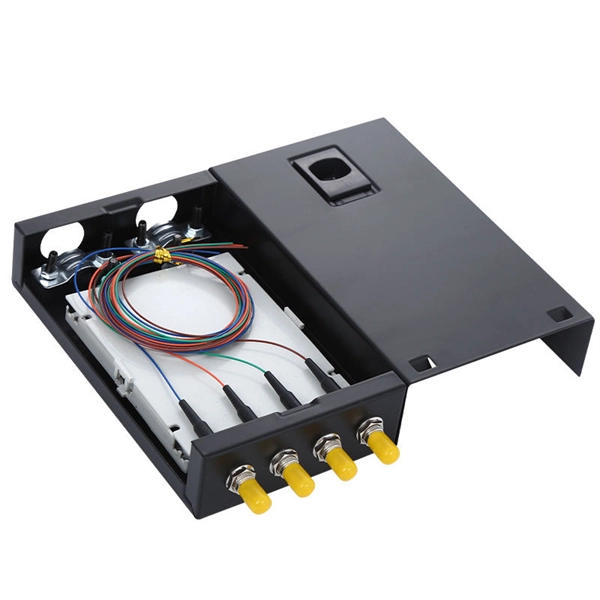
In this guide, we'll walk through the key factors to consider — from port density and connector types to mounting styles and build quality — and highlight a few Amerifiber patch panels worth a closer look. Choosing the right fiber optic patch panel is one of the most important decisions you'll make when building or upgrading a fiber network. Splice Enclosure Panels These combine fiber splicing and termination in one enclosure, commonly used in outdoor or harsh environments. Pros: All-in-one solution; ruggedized build. Network architects and procurement managers must now evaluate patch panels not merely. Fiber optical patch panels can help data center management cables. Do you know which types are available? What are their functions? This article will show you.
Most fiber cuts are caused by construction equipment accidentally digging through buried cables, though storms, vehicle accidents, and even animal damage can also sever lines. In our increasingly connected world, fiber optic lines are the backbone of high-speed internet, telecommunications, and data transmission. It's essentially the internet's equivalent of a severed artery, drastically impacting connectivity and requiring immediate action to restore. Fiber cable cuts have been a frequent thorn in the side for operators. ” Fiber cuts in Van Nuys, California last. A fiber cut is a physical interruption to the thin glass strands that form the core of a fiber optic cable, which carry light signals across vast distances. The people behind the incident thought they.
Contact us for competitive quotes on any of our power communication and smart grid products
Get a Quote