
To cut armored fiber optic cables effectively and safely, you have several tool options at your disposal. These cables are designed to endure extreme environmental conditions, physical strain, and potential interference. Confirm cable type (single-mode, multimode, connector type, polarity). Fiber Optic Stripper A Fiber Optic Stripper is a specialized tool used to remove the protective coatings and buffer materials from. Armored fiber optic cables are specialized cables featuring enhanced protective layers or metal sheaths.
If it is KPN you can call 24/7 about your broken fiber with 0800-0402, or +31612001200 if you do not have an dutch phone number. The appointment needs to come from your provider, so if you have youfone, solcon or any other which also uses our cable then you need to contact them. If you think the fiber optic cable is broken, always contact your provider. They can remotely test whether the problem is in the cable or elsewhere. If necessary, even within 24 hours. But this. From locating broken cables to repairing power lines, replacing connectors, and resolving electrical cable faults, we ensure everything is working as it should. Want. As we move deeper into 2025, with global fiber deployments accelerating at a 10. Aligning your network to your needs.
New fiber lines can be installed to pass through empty conduits if the bandwidth is needed in the future, thus no new path needs to be trenched. Also, conduit makes the replacement of cables easier when an existing line has been damaged or requires changing to a line with a higher. Installing fiber optic cables underground involves far more than digging trenches and placing cables. It forms a critical backbone for modern communication networks across both urban and rural environments. Project success depends on careful planning, precise installation practices, and proper. Outdoors, it depends on whether the cable is buried directly, pulled in conduit, strung aerially or even placed underwater. (FOA) was founded in 1995 to help develop the workforce to build the fiber optic networks to support a rapid expansion in communications and the Internet. Following these ensures integrity, prevents damage, and protects installers, contributing to the overall reliability of the.
[PDF Version]
High-quality LC-LC OM3 multi-mode breakout installation cable for indoor (inside buildings). Black protection jacket with flexible and extremely tear-resistant pulling aid of nylon material on both ends. Adopted to indoor distribution. As pigtail of communication equipment. High strength kevlar yarn member. The L-com FOB-MFD-8FM3R-M is constructed with a thick and durable 5. 6mm jacket which offers excellent strength and protection during installation and. Haile 8-core 10 Gigabit Multimode Indoor Fiber Optic Cable OM3-300 HT-200-8MT is engineered for ultra-high-speed data transmission within indoor network environments. 53 Reviews 17 Questions Fiber Count: 4 Fibers 6 Fibers 8 Fibers 12 Fibers 24 Fibers.
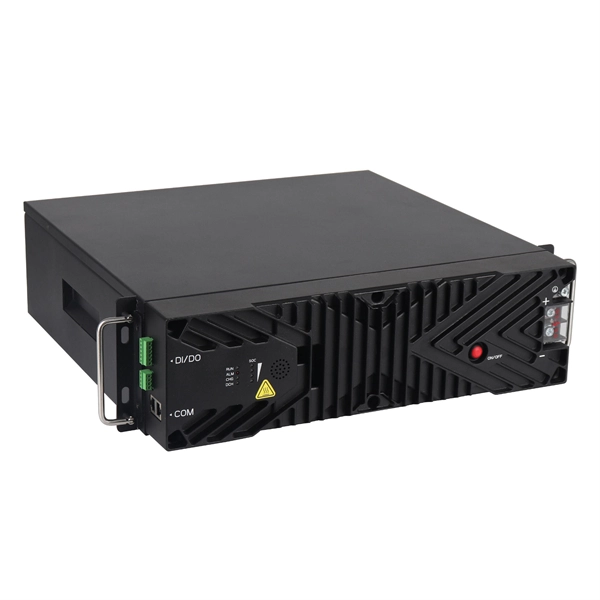
Optical fibers are an integral part of modern communication systems, enabling high-speed data transfer and reliable connectivity. They are thin, transparent strands of glass or plastic used to transmit light signals over long distances. Light acts as a carrier wave and can be modulated to carry information. Fiber is preferred. Recent advancements including coherent detection, optical amplification, and fiber-optic sensing are discussed, along with their impact on future networks.
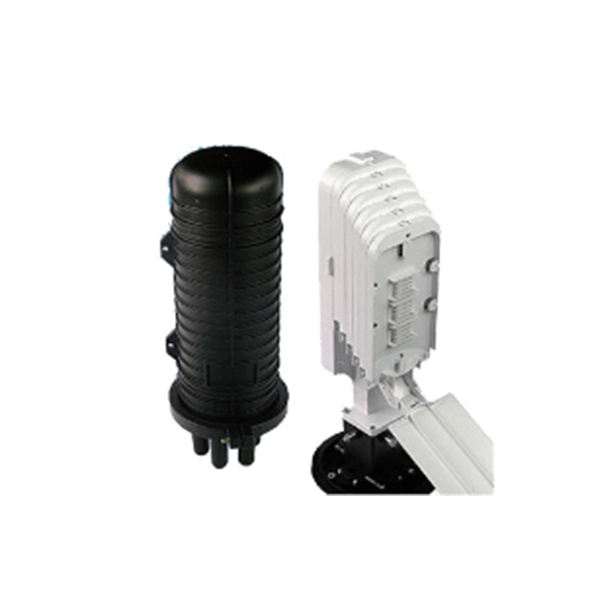
GYXTW cables are most commonly available in single-mode configurations, making them ideal for long-haul telecommunications and outdoor backbone networks. GYXTW is a type of tight-buffered fiber optic cable designed with a robust structure. The designation "GYXTW" follows standard optical cable coding: GY: Stands for outdoor use (often referring to armored or reinforced cable) X: Indicates a central tube or core structure T: Represents filling. Unitube Light Armored GYXTW fiber optic cable is a type of fiber optic cable that is widely used in aerial application. As a matter of fact, This fiber optic cable plays an important. The GYXTW fiber optic cable is engineered for high performance in both outdoor and indoor environments, combining excellent physical strength, water resistance, durability, and flexibility. We supply GYXTW from 2 fiber cores to 24 fiber cores. Both single mode type and multimode types are available.
[PDF Version]
Laying the Cable: Place the fiber optic cable in the trench, adding a layer of sand or gravel below and above to protect it from sharp objects. Use warning tape above the cable to alert future diggers. Most systems use passive optical network (PON) architectures with signals going through splitters that allow up to 32 users to share one link and carry bidirectional signals. FTTH in new home construction is. Fiber optic cables facilitate high-speed connectivity with significant advantages over copper wires, such as faster data transmission, greater bandwidth, and better security; single-mode fibers are ideal for long distances, while multi-mode fibers suit short-range communications. In fiber optic technology, these cables consist of glass or plastic fibers that carry light pulses, offering high bandwidth, low latency, and immunity to. The objective of this document is to be an optical fibre cable installation and laying guide, addressed to new installers, also being useful as a reminder to experienced installers. The charter of the FOA was to promote professionalism in fiber optics through education, certification, and.
[PDF Version]
Full-spectrum single-mode fibre in accordance with ITU-T G. D with optimised transmission characteristics. Suitable for the operating wavelengths in all FTTx networks. The IEC and ITU-T and under zero-dispersion wavelength and the resulting displacement of the cut-off wavelength single-mode fiber is divided into six types. 655, as required by telecom systems manufcturers and their customers. 652 (Tables A, B, C & D), IEC Specification 60793-2-50 Type B1. 3, TIA/EIA 492-CAAB and Telcordia Generic Requirements GR-20-CORE. A map illustrating the connection of IEC designations to ITU-T designations is shown in Annex I.
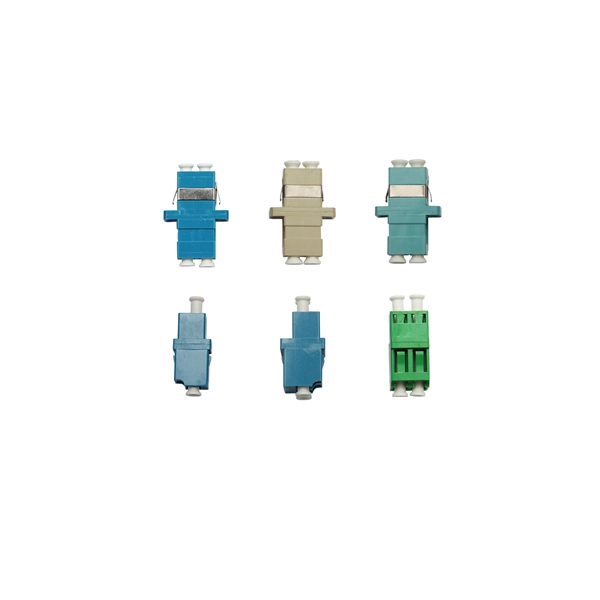
To connect one device having FC/PC interface with one FC/APC interface, an option is to use a piece of optical patch cord that has FC/PC and FC/APC at its ends. FC/PC and FC/APC connectors are widely used in fiber optical devices, equipment and systems. It is a common problem many people have when they use those two types of connectors: those connectors can not join with each other, because their tips. Today, this post will introduce APC, UPC, and PC fiber connector types, which are classified based on the different angle polished fiber end face shapes. Next, the post will introduce the polish style, structure, difference, application, and usage attention of these connectors. Each type varies by shape, polish (APC, PC, or UPC), and return loss performance, which affect PC, UPC, and APC Polish Styles: What's the. A fiber optic patch cord, also known as a fiber optic patch cable or fiber jumper, is a length of fiber optic cable capped at both ends with connectors that allow it to be rapidly and conveniently connected to an optical switch, router, or other telecommunication/network equipment.
[PDF Version]Contact us for competitive quotes on any of our power communication and smart grid products
Get a Quote