
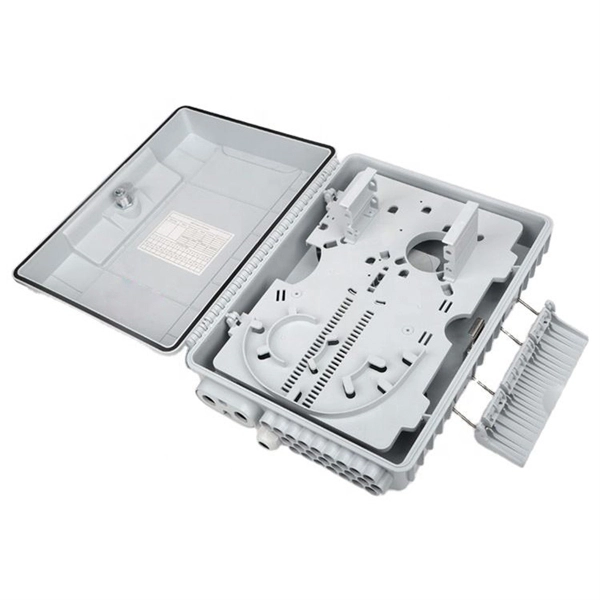
A fiber patch panel is a mounted enclosure—either rack-mounted or wall-mounted—used to terminate, manage, and interconnect multiple fiber optic cables. It acts as a hub for organizing splices and patch cords, streamlining fiber management and preserving signal integrity. A bulk (multi-strand) fiber cable enters the patch panel and then each fiber strand is separated into individual strands or pairs of strands.
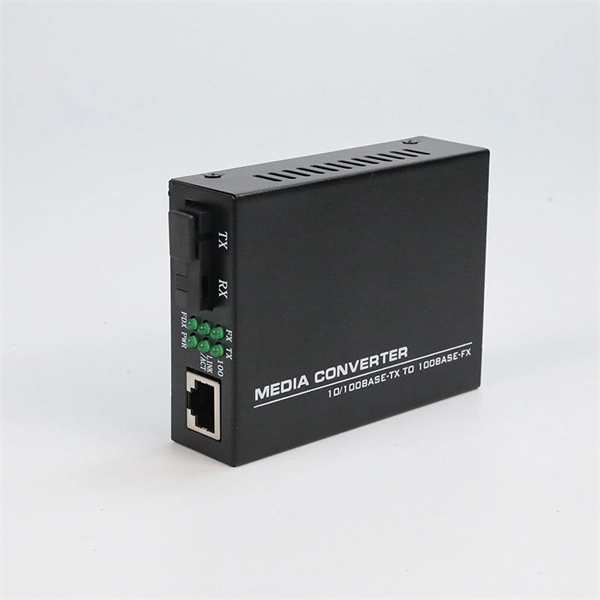
Fibre optic patchcords are single-, dual-, or multifibre data cables that are factory-assembled with the commonly used fibre optic connectors – LC, SC, E-2000, MTP, SN, CS, MDC, etc. – and are used to connect IT hardware (e. switches, servers) equipped with fibre optic. At ZION Communication, we design and manufacture a full range of fiber patch cords for: This guide will help you quickly understand the main types of fiber patch cords and how to choose the right solution for your project – and how ZION can support you with stable quality, flexible customization. Fiber optic patch cords, also known as fiber optic patch cables or fiber jumpers, are indispensable components in modern optical networks. They act as the critical link for interconnecting devices like optical switches, servers, and distribution frames. Whether LC duplex fiber optic patch cables, SC duplex. Corning offers the most complete line of connectors and factory-terminated cables, from single-fiber cords to high-fiber-count cable assemblies. The Corning Quick Connect program offers a 2-day lead time for our EDGE Uniboot Jumpers, with a 90% delivery guarantee.
[PDF Version]
Quick, practical MPO patch cord FAQ for data centers and telecom — learn standard lengths, typical insertion loss, bend-radius rules, polarity types (A/B/C), and buying tips to avoid common mistakes. To address these challenges, the optical networking industry introduced multi-fiber connectivity technologies, most notably MPO (Multi-Fiber Push-On) connectors and the enhanced MTP connector platform. These connectors allow multiple optical fibers to be terminated within a single high-precision. MPO patch cords (also called MTP in some branded variants) are multi-fiber, high-density jumpers used everywhere from ToR (top-of-rack) connections to hyperscale backbone trunks. They save rack space, speed deployment, and are available in various fiber counts (8–72+) and lengths from 0. This article will comprehensively.
A fiber patch cord, also known as a fiber jumper or fiber optic patch cable, is a flexible cable assembly comprising one or multiple fiber optic strands enclosed within the protective sheathing. This is known as interconnect-style cabling.
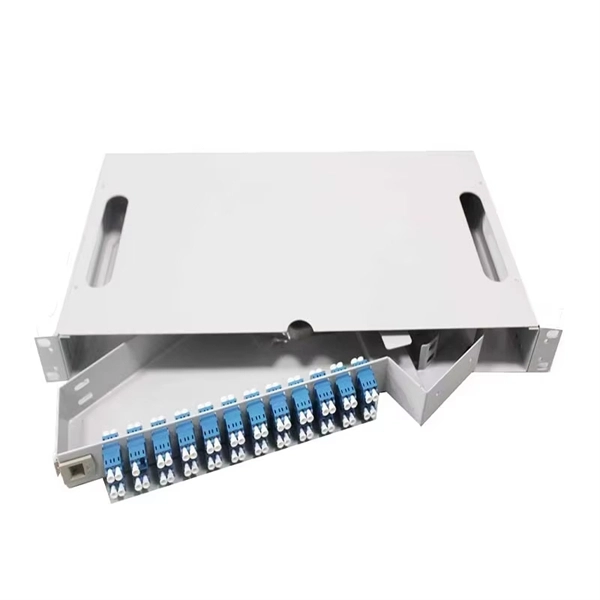
The fundamental calculation formula is: Total patch cords = Total number of device ports × Connection factor Where the connection factor depends on the connection method: 2. Scenario-Based Calculations The redundancy factor is typically 0 (no redundancy) or 1 (1:1 redundancy). the list of patch cords that fulfill the requirements and can be made to order. It covers LC connectors, LC patch cables, uniboot designs, armored. Premium-Line 19” Rack mountable fiber optic patch panel is designed for both patching and splicing, accepts whole range of adapters including SC, ST, FC, LC adapters. 2 * Rear cable entries accommodate cables with diameter below 10mm. More detailed calculation is available in our software. Accurate length fixing is a crucial aspect in planning, with the goal of ensuring efficient, safe, and future-proof implementation of fibre optic patch cords. They are manufactured and tested in compliance with TIA 604 (FOCIS), IEC 61754 and YD/T industry standards.
[PDF Version]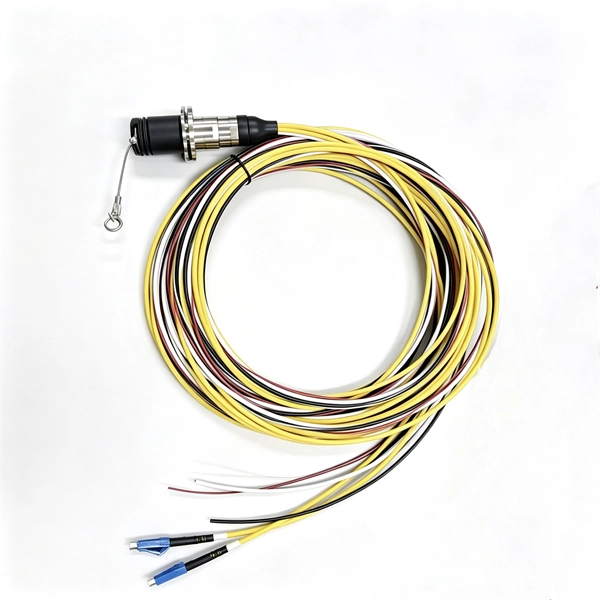
A fiber patch panel is a mounted enclosure—either rack-mounted or wall-mounted—used to terminate, manage, and interconnect multiple fiber optic cables. It acts as a hub for organizing splices and patch cords, streamlining fiber management and preserving signal integrity. A bulk (multi-strand) fiber cable enters the patch panel and then each fiber strand is separated into individual strands or pairs of strands. A practical guide for FTTH, data centers, and telecom systems. In modern fiber optic networks, reliability, scalability, and ease of maintenance are just as important as transmission speed.
As a critical component in high-speed networks, fiber optic patch cords require micron-level precision. This guide unveils the complete production workflow compliant with **IEC 61754** and **Telcordia GR-326-CORE** standards, featuring proprietary quality control methods. Their performance directly impacts signal quality, insertion loss (IL), and return loss (RL). At Gcabling, our advanced manufacturing and strict quality control processes ensure. Manufacturing a high-performance fiber optic patch cord involves three main stages: producing the interior optical cable, precisely preparing the cable for termination, and finally, assembling, polishing, and rigorously testing the connectors to certify their quality and reliability. before cutting the cable, the worker must make sure that the specifications of the cable match the production plan order. Crimp not only will provide the greatest surface area for electrical contact, but it also prevents oxygen or moisture from reaching the metal of t hanical strength and additional levels of fiber protection.
[PDF Version]Contact us for competitive quotes on any of our power communication and smart grid products
Get a Quote