
This guide shows the cost landscape, with clear low–average–high ranges and per-unit pricing to help plan a project. Cost ranges for fiber optic projects vary by run length, fiber type, and whether the build is indoor or outdoor. In this article, we'll break down the key. Fiber-optic cable materials typically cost $1 to $6 per linear foot, depending on fiber count and cable type. Commercial building installations with 100-200 network drops generally range from $15,000 to $30,000. Single-mode fiber costs less per foot than multimode fiber, but it requires more. Fiber optic network construction is linking together all forms of digital infrastructure to ensure that optical telecommunications traffic can seamlessly reach end users at the lowest possible cost. This. 1) Proofing and Placement - Per foot pricing for proofing and placement of approximately 1,856,332 ft (351.
[PDF Version]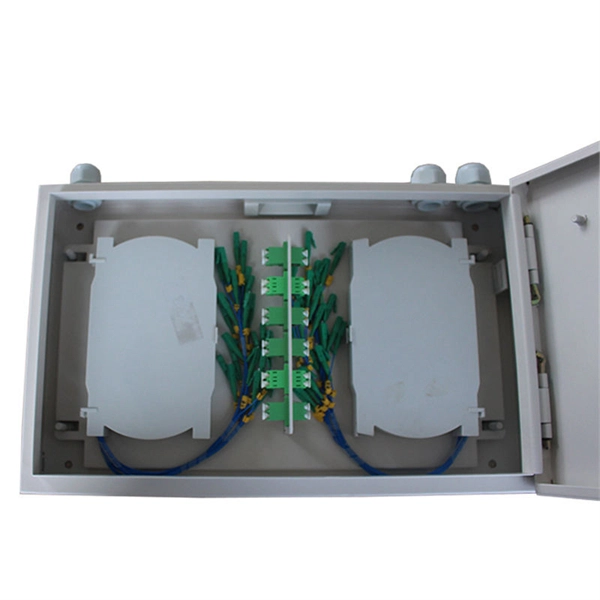
The Land Transport Authority is investigating why a backup fibre-optic cable failed after construction works damaged underground lines on 18 April, disrupting Singapore's bus arrival timing system and causing broadband outages affecting about 5,000 subscribers. Fiber optic cables are essential components in modern data transmission infrastructure. They support high-speed, interference-resistant communication and are particularly effective in applications that require high bandwidth, low latency, and strong signal integrity. So, let's break it down! The core is the primary part of a Fiber optic cable. It's responsible for. Building a fiber optic network is a highly technical yet vital process that enables communities and businesses to access high-speed, reliable fiber optic internet. It enables data transmission over hundreds of kilometres with minimal signal. The fiber network construction process is a cross-functional effort that brings together experts in optical network design, construction, and testing. Advanced GIS (Geographic Information System) and CAD (Computer-Aided Design) tools are utilized to create detailed maps and models. These tools help visualize the.
[PDF Version]
Fiber Optic Strippers: These tools are specifically designed to remove outer jackets and buffer coatings without harming the core fibers. Must be operated with care to avoid crushing. How should optical fiber stripper be used? There are only three steps: First, strip the outer sheath of the optical fiber with optical fiber strippers; remove the stripped outer sheath of the optical fiber; and finally, cut the exposed aramid fiber with cable-cutting scissors. Heavy Duty Kevlar Scissors can be used to cut. The Jonard JIC-4366 cable sheath stripper and ring tool is ideal for copper cables, tight buffer optical fiber cables, and for slitting figure 8 or webbed cables. The tool is designed with two unique blades, the one located at the tip of the tool is for stripping and slitting cable, and the blade. In this week's video, Ben Hamlitsch shows you how to cut, strip, clean, and cleave your fiber optic cable! He also shares some best practices to follow and additional details you'll want to know along the way! Interested in learning more? Check out our detailed blog that covers this pro. Standard wire cutters or pliers can severely damage the delicate internal fibers.
[PDF Version]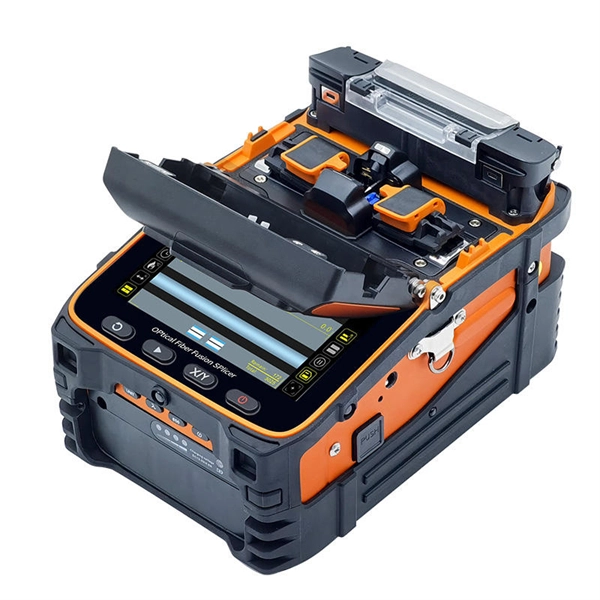
U-Ton Engineering Limited is a Ghanaian based engineering consortium and a fiber optics industry pioneer. These cutting-edge solutions ensure from Fibre iQ Limited can integrate fibre into existing infrastructures using the latest technologies and techniques. During this process, our team. The Signal fire (Al-9) SM&MM Automatic Intelligent Optical Fiber Fusion Splicer by Fusion is a high-tech tool designed for electrical and industrial use. This advanced piece of equipment allows for precise and efficient splicing of optical fibers, ensuring a reliable connection for various. Reliable IT solutions for individuals and organizations in Ghana. Fiber optic cables and accessories, installation and distribution services. Don't know your target market? Wanted to market your Fibre Splicing products globally? Join TradeFord. This device is for use within several areas of fiber optic deployment, Premise (on site), OSP (outside plant), or FTTX (fiber to the subscriber) splicing.
[PDF Version]
An Optical Time-Domain Reflectometer (OTDR) is an essential tool for anyone working with fiber optic networks. This guide dives deep into OTDR technology, its applications, and how it integrates with modern components like optical transceivers. But you may wonder, "How can I use an OTDR to locate splice loss and connector issues?" The answer is simple, with the right OTDR, you can pinpoint problem areas along the fibre. Fiber monitoring refers to the continuous assessment of fiber quality through software tools and equipment that form an integrated optic fiber monitoring and management system. GLSUN's fiber cable monitoring system combines with OTDR, optical switches and network management software to form speedy. The Contractor tasked to perform testing or splicing on any fiber optic cable will follow these testing standards to fulfill their contractual obligations. It is used to characterize and troubleshoot optical fibers by measuring the loss in a fiber link and pinpointing locations of potential issues such as breaks and splice losses.
[PDF Version]
Conclusion : In summary, fiber optic cables offer superior performance in terms of speed, data capacity, and resistance to interference but may come with higher upfront costs and require specialized equipment and expertise for installation and maintenance. There are many advantages of using these cables over other kinds of communication cables, like the bandwidth of these cables is high, and they are less vulnerable than metal cables. By the early 1990's, as the internet was becoming popular in the public realm, fiber optic cabling started to be laid around the world. Electromagnetic interference (EMI) is a disturbance caused by electromagnetic radiation from an. Fiber optic cables are a cutting-edge technology used for transmitting information as pulses of light through strands of fiber made of glass or plastic. Their unique. Optical fiber is rising in both telecommunication and data communication due to its unsurpassed advantages: faster speed with less attenuation, less impervious to electromagnetic interference (EMI), smaller size and greater information carrying capacity.
[PDF Version]
Products include fiber raceway system, vertical and horizontal cable managers (finger) in metal/plastic and cable management rings. Recloseable storage rings are used for optical fiber and copper cabling service loops. The Fiber Channel System is designed to protect and route the fiber. Fiber rings refer to configurations or architectures used in fiber optic networks, often employed in telecommunications to ensure high-speed data transmission with redundancy and reliability. Understanding fiber rings and related terms is crucial for anyone involved in network design. Key factors include material durability, bend radius compliance (typically ≥30mm), mounting method (snap-in, adhesive, or rack-mounted), and compatibility with existing racks or panels. Ring shall have "hook and loop" style loops to contain and secure cable.
Ciena's 6500 Packet-Optical Platform equipped with WaveLogic 5 Extreme coherent transceivers will allow Telekom Srbija to deliver 800 Gb/s across a new 150-kilometer fiber route between Serbia and Bosnia-Herzegovina. WaveLogic 5 Extreme is a high-performance optical signal processing chip used in fiber‑optic network gear to send far more data over the same strand of glass by encoding and decoding complex light patterns. This move represents a key step in strengthening the network's capacity, preparing. Telekom Srbija Group, one of the largest and fastest-growing telecommunications operators in Southeast Europe and a digital transformation leader in the Western Balkans, and its subsidiary Mtel are utilizing Ciena's coherent optical solutions to enhance network connectivity between Serbia and. Telekom Srbija Group and its subsidiary Mtel deployed new optical transport infrastructure using Ciena technology to strengthen connectivity between Serbia and Bosnia-Herzegovina. The high-capacity, low-latency network will provide scalable, highly resilient.
[PDF Version]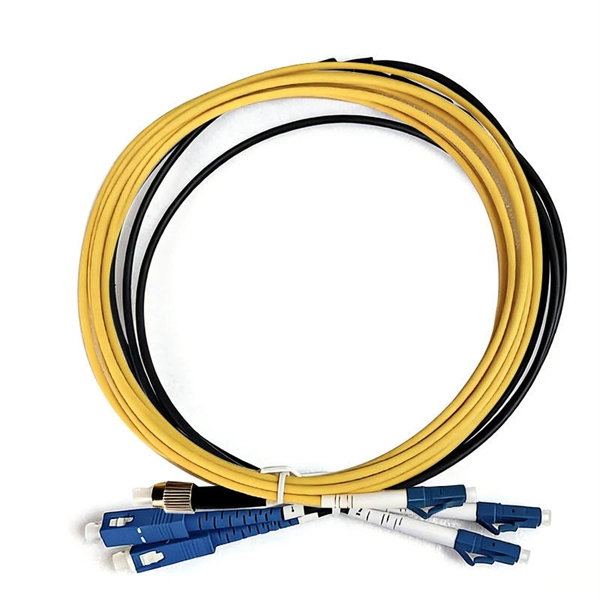
Permanent downhole fiber-optic cables are critical infrastructure in wellbore monitoring systems, ensuring reliable transmission of data for applications such as distributed temperature, acoustic, and strain sensing (DTS, DAS, and DSS)—all with one 1/4-in control line. These monitoring systems help. ExpressFiber disposable fiber cable is the newest addition to our scalable fiber portfolio that provides a direct measurement of well interference—at a price point comparable to tracers and indirect pressure analysis. These types of cables are permanently installed either cemented in behind the casing or strapped to the production tubing. The optical fibers can be used to sense. Distributed fiber optic sensing (DFOS) techniques such as Distributed Strain Sensing (DSS), Distributed Acoustic Sensing (DAS) and Distributed Temperature Sensing (DTS) are powerful tools for continuous monitoring of large assets. Consequently, these approaches fit perfectly with specific. FOWell, a distributed fiber optic sensing well monitoring solution, enables for real-time detection of leaks or deformations in the tubing or casing structure.
[PDF Version]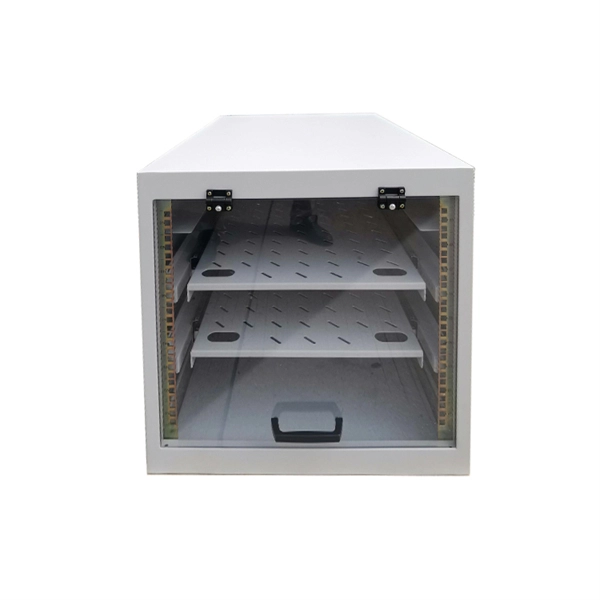
Learn how to install a fiber optic termination box step-by-step for FTTH projects. Covers mounting, splicing, routing, labeling, and testing for indoor/outdoor use. Installing a fiber optic termination box is one of those jobs that looks simple on paper, but it's easy to. The fiber termination box is an interface between the fiber cable from the line side and the pigtails to be passed to the fiber distribution frame. A fiber pigtail is a specific hardware connection used for cable termination. Thus, a fiber termination box is used to terminate the optical fiber. Fiber Termination Boxes (FTBs) are crucial components in fiber optic networks, facilitating the termination, connection, and management of optical fibers. It serves as a termination point for optical fibers, providing a secure and organized space for connecting and managing fiber optic cables.
Contact us for competitive quotes on any of our power communication and smart grid products
Get a Quote