
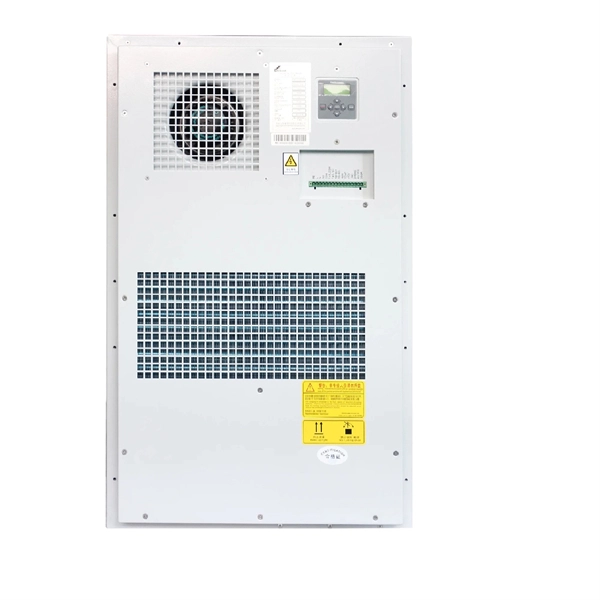
It can occur due to overloaded circuits, short circuits, or ground faults. Solution: Identify the Cause: Check if the breaker is tripping due to overloading. This often happens when too many devices are plugged into one circuit. However, like any other electrical component, it can encounter. If the distribution box is poorly grounded, it may cause electrical system leakage, short circuit and other faults, and even cause electric shock accidents. Troubleshooting: Use professional knowledge and tools such as multimeters. Check the electrical load and ensure that the sensors do not exceed the 10 Amp maximum. Loose or Faulty Wiring Connections Loose.
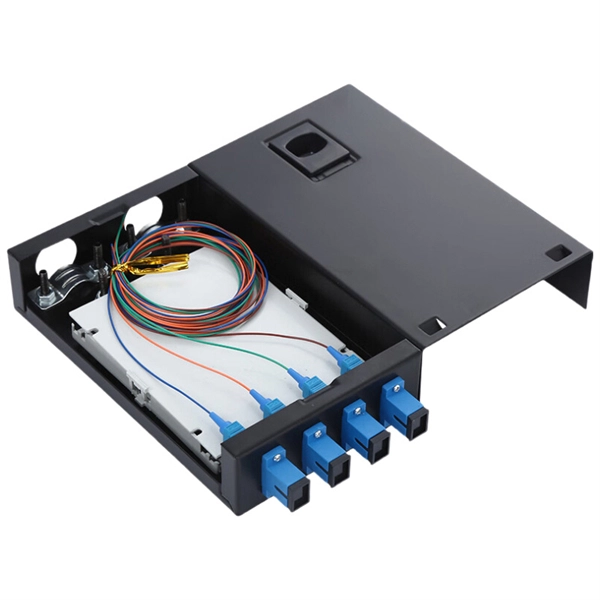
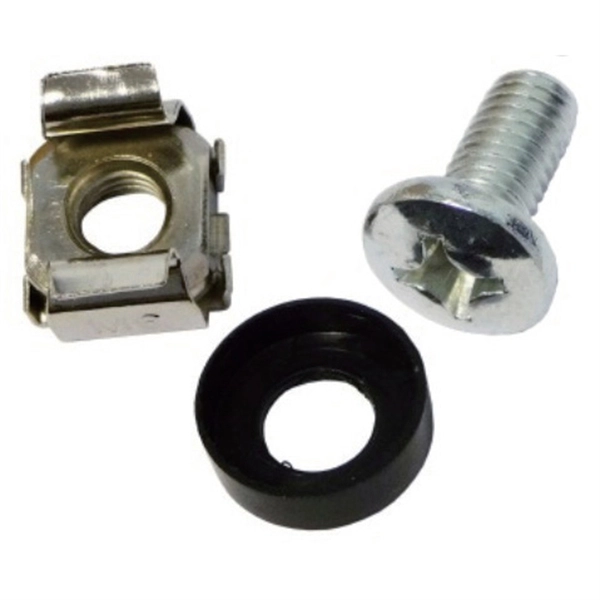
When mounting a box directly to a wood stud, a coarse-threaded wood screw or specialized nail is commonly used, typically ranging from 1 1/4 to 2 inches in length. This ensures sufficient thread engagement and shear strength into the lumber to prevent the box from shifting. Some boxes also include DIN rails for mounting extra devices and cable entry points to keep wires neat. These extras help make the box easier to install and maintain. Mounting brackets are hardware products used to attach electrical wiring and switches to walls and studs during building construction and interior work. This includes items like cables, wires, sockets, switches. RSP Supply offers a comprehensive selection of panel hardware components designed to support secure mounting, structured cable routing, and efficient use of space within control panels and enclosures.
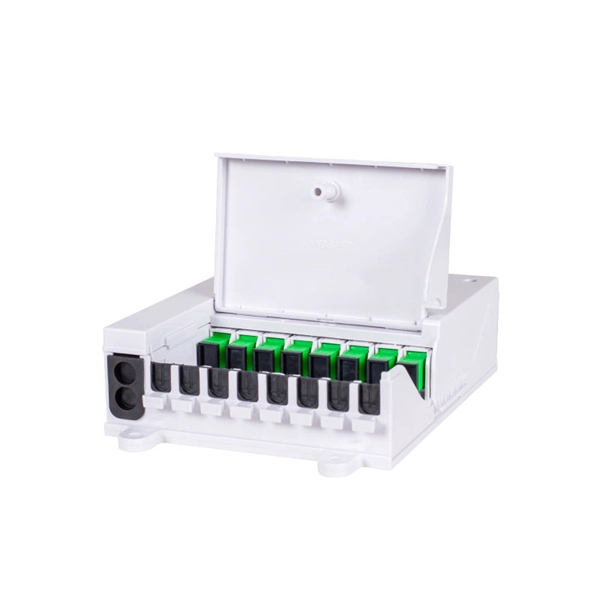
Primary Distribution Box: Serves as the main distribution box for a construction site or project (usually only one). Secondary: Intermediate panel, routes power to buildings or zones. The outgoing line from the low-voltage end of the transformer is 0. It is a vital part and central hub of any electrical system. Whether it's a home, office, or factory.
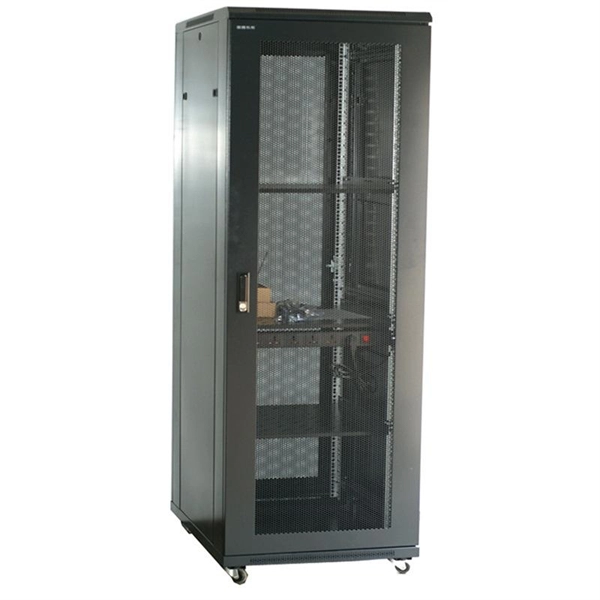
A typical home replacement for a 100–125A indoor panel runs about $1,200–$2,500 in parts and labor; a 200A outdoor upgrade with new meter socket can reach $3,000–$6,000. Assumptions: standard conduit routing, existing wiring reachable within 10–30 feet, and a single dwelling. Specifically designed for outdoor use, this junction box prevents moisture and debris from damaging your electrical connections, ensuring longevity and reliable performance in all weather conditions. Crafted from high-quality stainless steel, this enclosure offers superior protection against. Buyers typically pay for a full panel replacement, including labor, materials, and permits. The article outlines cost ranges, per-unit pricing, and practical. Junction box costs range from low‑price indoor models ($10‑$60) to weatherproof units ($70‑$450), with installation averaging $100‑$300 depending on location and materials. If you're planning any electrical work, one of the small but important items on your list will be the junction box. Ubuy works hard to protect your security and privacy. Our advanced payment security system ensures confidentiality by encrypting your.
[PDF Version]
Distance Requirements: Maintain a minimum clearance of 1. 0 meter from all accessible faces of a switchboard. Electrical panel boxes, aka breaker boxes, can be on a wall in an out-of-the-way area of your home. Covers wiring, placement, standards, and expert tips for a compliant setup. The IEC (International Electrotechnical Commission) and BS 7671 (British Standard for Electrical Installations) both provide essential requirements for electrical installations, including those for fuse boards like garage unit, consumer unit and distribution board. Because this equipment contains the main service disconnect and circuit protection devices, clearance rules are mandated by the National Electrical Code. to install, or they will be brought along on the day.
In this guide, we'll break down everything you need to know to install a distribution box correctly and confidently. Choose the right box based on environment (indoor/outdoor), load capacity, and durability. Check for proper IP/NEMA ratings and material quality. This project involves combining an enclosure, protective devices, and various receptacles into a single, portable, or semi-permanent unit. Whether in a home or an industrial facility, this box keeps your electrical setup organized, functional, and efficient. However, the key to. Here are some steps to follow in building an electric distribution box: Determine the electrical requirements: Before building the electric distribution box, you need to determine the electrical requirements of your home or building. Single Phase Distribution Box generally consists of Double Pole MCBs, Single Pole MCBs, and RCCBs. A distribution box, sometimes referred to as a panel board, distribution board, or breaker panel, is an essential part of electrical systems that makes it easier to distribute electricity throughout a structure.
[PDF Version]
The material used in the construction of electric box covers can greatly affect their performance and longevity. Polycarbonate covers are lightweight yet durable, making them ideal for areas. Wall plates—also known as switch plates or outlet covers—play an essential role in safety, durability, and home décor. This complete guide explains every major type of wallplate sold on Wallplate. Common materials include: Plastic: Lightweight and resistant to corrosion, plastic covers are often used in indoor applications.
Contact us for competitive quotes on any of our power communication and smart grid products
Get a Quote