
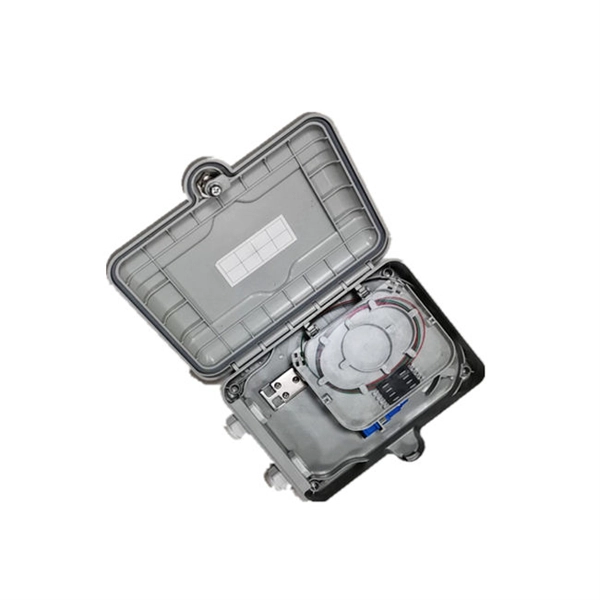
This solution covers a complete set of power equipment from low-voltage distribution cabinets, high-voltage switchgear to transformers, automation control systems, etc., aiming to provide comprehensive and customized power solutions for various users. High Voltage (HV) switchgear consists of a set of integrated electrical circuit breakers, fuses and disconnecting switches. Its primary functions are to cut off the power supply of equipment to facilitate subsequent maintenance. This paper comprehensively explores the technical management and risk prevention of high and low voltage complete sets of equipment in power engineering.
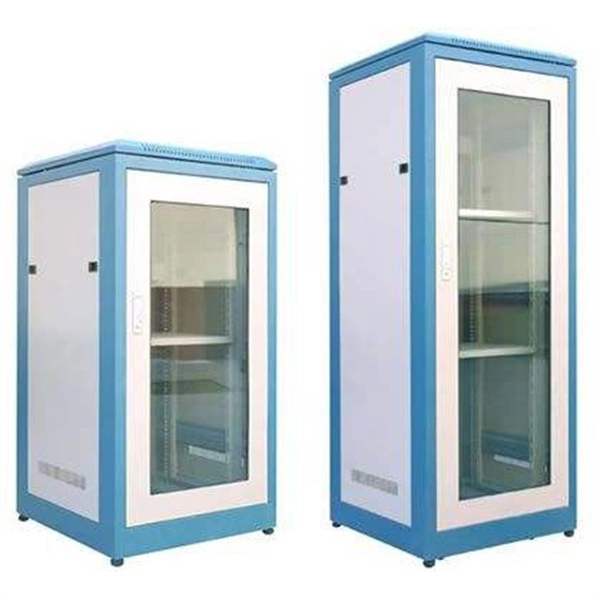
The total cost to upgrade an electrical box typically ranges from about $1,500 to $13,000, depending on panel amperage, labor rates, and required wiring upgrades. A common residential upgrade from 100 A to 200 A adds complexity and can push totals higher if long runs or. Homeowners typically pay a range for upgrading an electrical service or panel, driven by panel size, wiring changes, and local permit requirements. The price can vary by region and the complexity of the job. Understanding distribution box cost involves examining the comprehensive investment required for electrical distribution systems that serve as crucial infrastructure components in residential, commercial, and industrial settings.
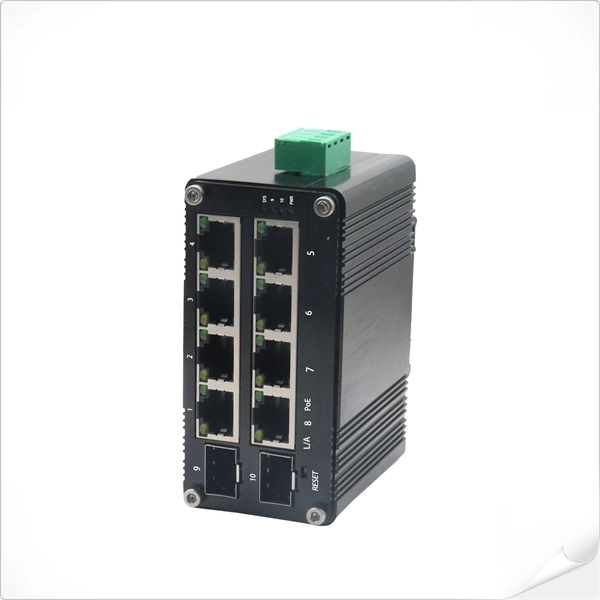
Electrical panels need to be installed 4′ off the ground with the center grip handle of the highest circuit breaker is no more than 6'7″ high to be NEC compliant. The clearance around the electric panel must be at least 30 inches wide with 3′ of front workspace clearance. to install, or they will be brought along on the day. Please ensure that you can provide a suitable storage area for all materials as you could be liable for a these are stored in a suitable location and kept dry. However, a common question that often arises is: how far from the house should a ground rod be? In this article, we'll delve into the importance of grounding. Electrical clearances set the minimum safe distances for panels, overhead lines, pools, and buried wiring — and ignoring them has real consequences. This connection serves as a primary protective measure, ensuring both the safety of the occupants and the longevity of electrical devices. The residential electrical code book is published by the National Fire Protection Agency (NFPA), which updates every three years.
[PDF Version]
Precast underground pull boxes and handholes protect and provide easy access to buried electrical power lines. SMART DISTRIBUTION BOXES FOR FLEXIBLE BUILDINGS. Wieland is your. The XAAB002A Audio Accessory Box allows GAI-TRONICS desksets to connect to hands-free accessories such as headsets, desk microphones, gooseneck microphones, and footswitches. Discover durable underground electrical boxes at Hubbell, designed for efficient and secure power distribution in any. UNDERGROUND DISTRIBUTORS and SUPPLY SYSTEMS The underground systems are modern and practical solution for invisible, space-saving and efficient power distribution and power supply. Our Cable Distribution Box is pre-engineered for easy installation and operation.
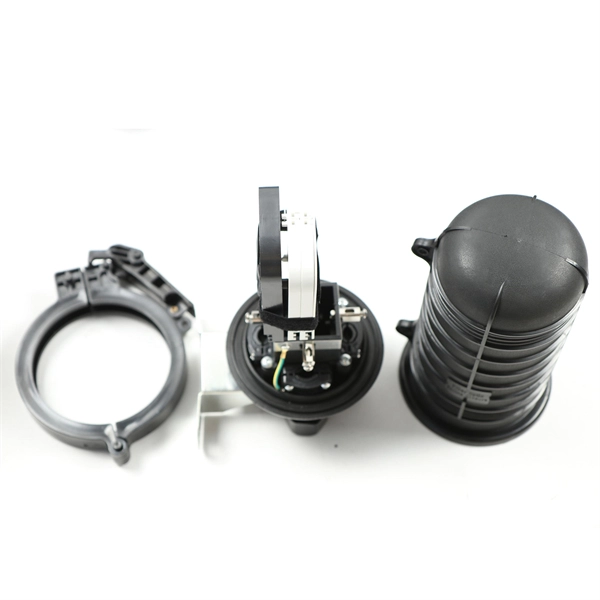
This permanent solution involves installing a junction box to house the wire ends. The box must be appropriately sized to ensure adequate “box fill,” which is the total volume required for all wires and connectors inside, preventing overcrowding and heat buildup. The term “metal wireway” is defined in Article 100 as sheet metal troughs with hinged or removable covers for housing and protecting electrical wires and cable and in which conductors are laid in place after the raceway has been installed as a complete system. Covers wiring, placement, standards, and expert tips for a compliant setup. We did not put drywall up on the stairs and the switches will stay where they are.
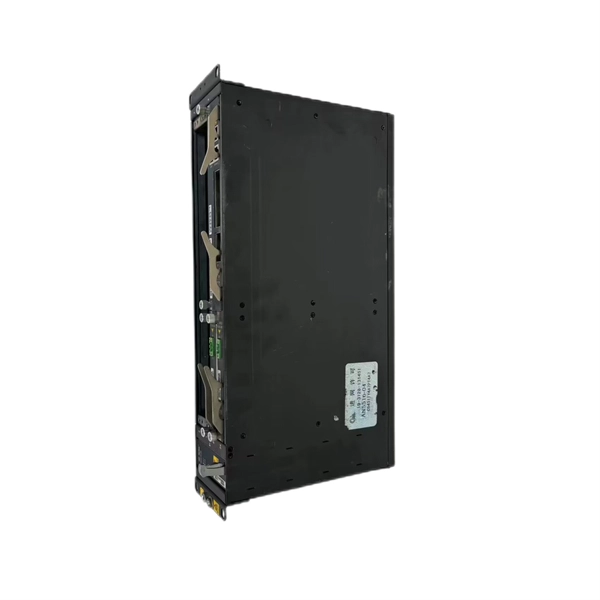
Electrical cabinet frames are manufactured using several distinct methods, each with specific production requirements and advantages. At E-abel, we combine advanced production equipment, strict quality control, and international certification standards to provide high-performance distribution boxes tailored for global markets. This article walks you through the complete distribution box manufacturing process, covering each step. An effective and properly designed electrical enclosure starts with the manufacturing operation. Every step is vital, from the design, selection of material to the selected technique and equipment quality.
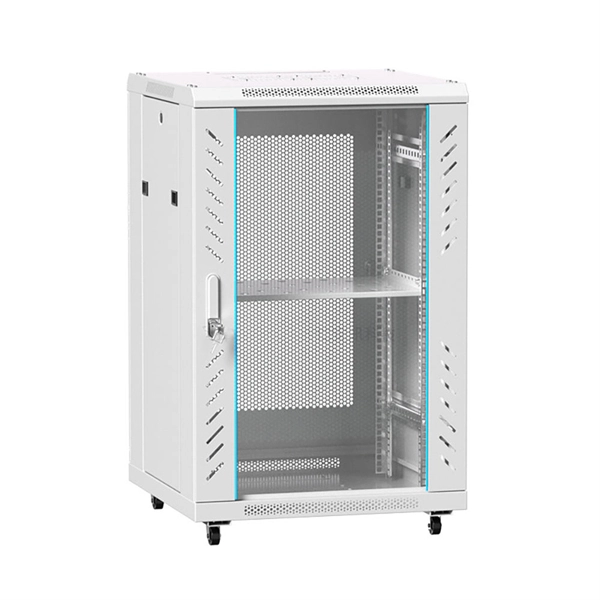
Wiring Direction: Wiring between the main circuit breaker and each branch circuit breaker in the box generally goes on the left, and the wiring out of the distribution box generally goes on the right. Binding Requirements: The wires should be bound with plastic ties. Electrical distribution system design is a critical aspect of industrial facility engineering that determines how electrical power is delivered from the utility service to end-use equipment. Its layout directly affects the efficiency of the. The answer lies in a well-thought-out factory power layout. This intricate dance of cables, transformers, and switchgear is what powers every machine, light bulb, and device in an industrial facility. But planning such a system is no small feat. Electricity flows through this network like lifeblood, energizing every machine, sensor, and light fixture that makes production possible. This way, the same distribution board can be used to split the load points via multiple RCD's.
[PDF Version]Contact us for competitive quotes on any of our power communication and smart grid products
Get a Quote