
Fiber Monitoring System utilizes Differential GPS (DGPS) and Cable Fault Locator technologies to accurately detect and locate fiber optic cable degradations and cuts. This identifies anomalies and weakening signals that indicate potential damage. FOGrid is FEBUS Optics' solution for cable integrity monitoring. By combining our advanced distributed fiber optic sensing technologies and our software suite with dedicated algorithms, it enables to: FOGrid: FEBUS Optics' cable monitoring solution applied to an offshore wind turbine farm FOGrid is. Cable monitoring involves the continuous surveillance and management of cable systems to ensure their optimal functioning. Continuous health is ensured through predictive maintenance and real-time.
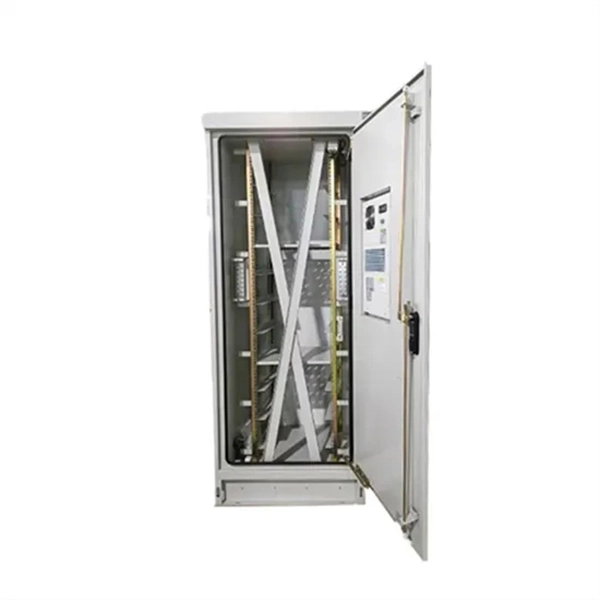
ODF (Optical Distribution Frame) optical fiber distribution frame is an optical fiber distribution equipment specially designed for optical fiber communication equipment room. It provides fiber fixing, splicing, termination, patching, and cable management in telecom rooms, data centers. Achieve successful cable management, handle high amounts of fiber cable and add density to fiber frames with the new DCX Optical Distribution Frame (ODF) System which features innovations like flippable cassettes, modular frame design and multiple configuration options. The user optical cable terminal box installed on the wall, its. Optical distribution frames include floor-standing and wall-mounted cabinets that contain 3U shelves with patch adapters and splice trays. ODF cabinets are used for as an ultra high density central cross-connect point in exchange, head end and customer premises distribution areas. It is designed with precision and functionality in mind.
[PDF Version]
Critical regulatory standards for explosion-proof distribution cabinets include ATEX, IECEx, and NEMA ratings. Explosion proof equipment is designed to contain internal explosions and prevent ignition of surrounding flammable gases or dust. Common protection methods include: These principles are. The three most widely accepted explosion-proof certification systems are: Each system has its own markings, classifications, and safety standards that define the type of hazard, how often it occurs, and how equipment must be designed to safely operate in that environment. Our products are certified for installation technologies all over the. Pepperl+Fuchs provides a specialized portfolio of Ex d (flameproof) and Ex tb (dust protection by enclosure) certified terminal boxes and junction boxes engineered for reliable use in explosion-hazardous areas.
Cable trays are mechanical support systems that provide a rigid structural system for electrical cables, raceways, and insulated conductors used for electric power distribution, control, signal instrumentation, and communication. Normally, these cable trays are used in the industries.
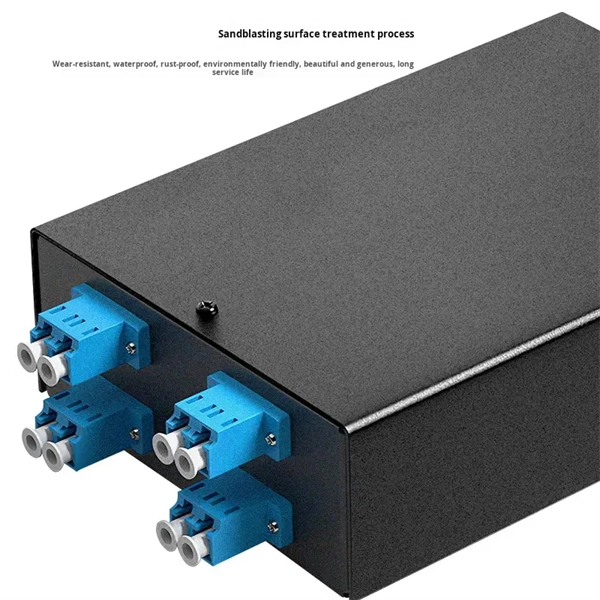
The Arc Welding Machine Distribution Box is specifically designed to safely distribute electrical power to arc welding machines. It ensures stable voltage supply, protects against overcurrent, and provides a secure connection for welding equipment. Aluminum MIG and TIG Reliable, high quality aluminum MIG and TIG welding products with tight tolerances in chemical composition.
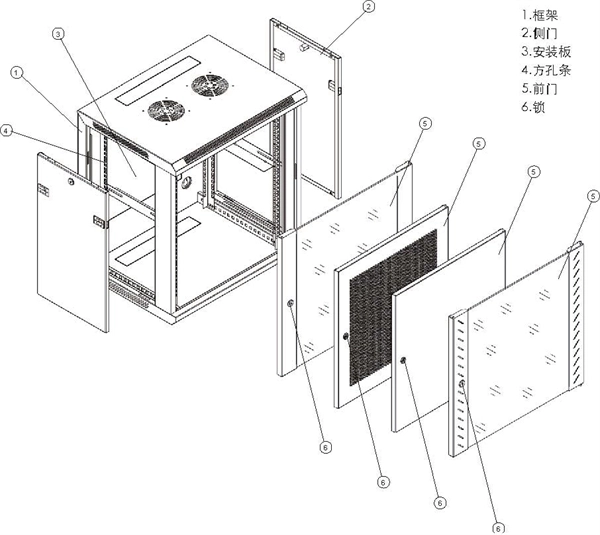
The Logs section provides the tools to view the system logs, authentication logs and auditing logs as well as download the logs in CSV format. Firewall logs can be used by the administrator for troubleshooting network. You can access the system logs by. A security information and event management (SIEM) solution ensures a healthy security posture for an organization's network by monitoring different types of data from the network. Think of logs as breadcrumbs that show everything happening across your routers, switches, firewalls, and other network infrastructure. This includes considerations for configuring the logging settings for different policies, the configuration of local log storage databases, and setting both local logging for the Firewall. A log is an automatically generated, time-stamped file that provides an audit trail for system events on the firewall or network traffic events that the firewall monitors. In this comprehensive guide, we will cover the key concepts, tools, and techniques for analyzing log. Alternate format: Network security logging and monitoring - ITSAP.
[PDF Version]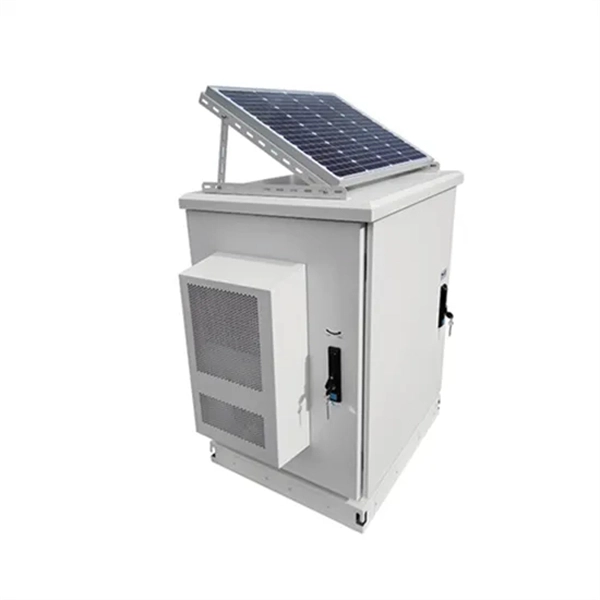
Data center power systems typically include generators, UPS, transfer switches and redundant distribution networks designed for reliability and code compliance. Figure 1: Typical arrangement for data centers showing the yard equipment and chillers on roof top. As AI workloads, higher rack densities, and stricter energy regulations increase demand on power infrastructure, design teams need more than standard capacity. What are the most common electrical equipment used in data centers? Modern data centers require sophisticated electrical equipment to deliver reliable power, maintain safety standards, and ensure continuous operation. From transformers and switchgear to battery systems and monitoring devices, each. This guide provides an overview of best practices for energy-efficient data center design which spans the categories of information technology (IT) systems and their environmental conditions, data center air management, cooling and electrical systems, and heat recovery. IT system energy efficiency. Power, cooling, racks, cabling, lighting, and safety form the backbone of data center infrastructure.
[PDF Version]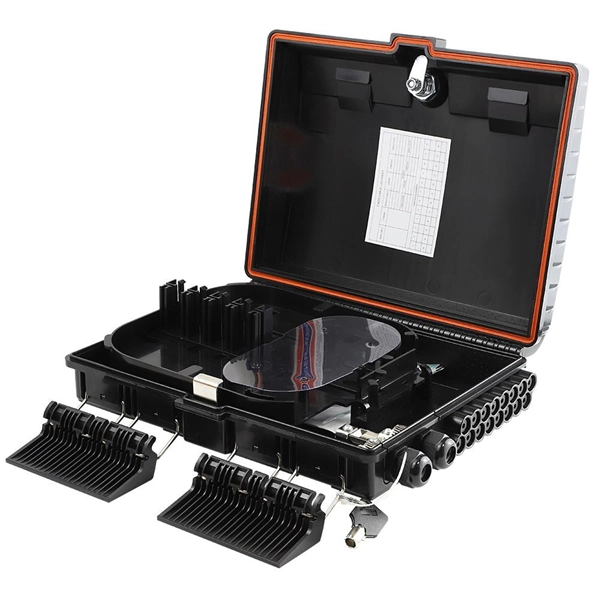
In this comprehensive guide, we'll walk you through each stage of the process, from understanding why business owners decide to sell, to preparing your company for the market, determining its value, finding qualified buyers, and managing negotiations through to closing. Selling your security systems installation business is a major decision, and knowing where to start can be challenging. Businesses often encounter challenges in handling excess technology, especially when it comes to pre-owned networking devices. Implementing best practices ensures that these devices are sold. Enterprises replacing networking hardware end up with surplus devices, including routers, switches, firewalls, and storage units. Holding onto these assets can occupy valuable space and tie up resources that could be better deployed. What you need is a network equipment.
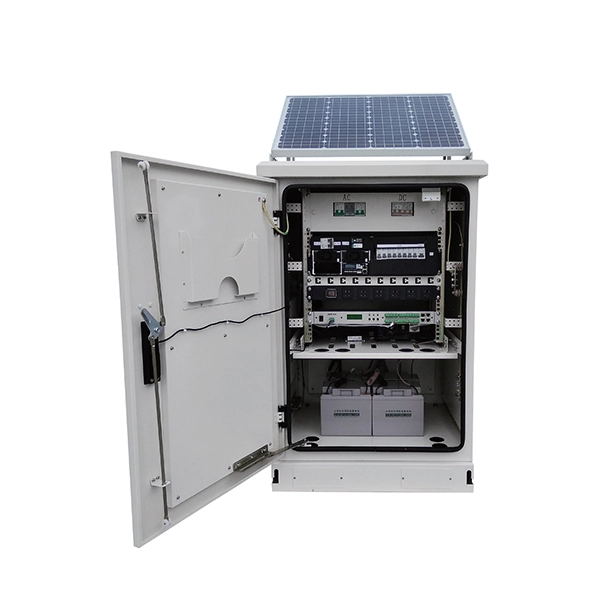
A typical full-size rack is 42U, which means it holds just over 6 feet (180 cm) of equipment, and a typical "half-height" rack is 18U–22U, which is around 3 feet (91 cm) high. The mounting-hole distance (as shown to the right) differs for 19-inch racks and 23-inch racks: 19-inch racks use uneven spacings (as shown to the right) while 23-inch.
Contact us for competitive quotes on any of our power communication and smart grid products
Get a Quote