
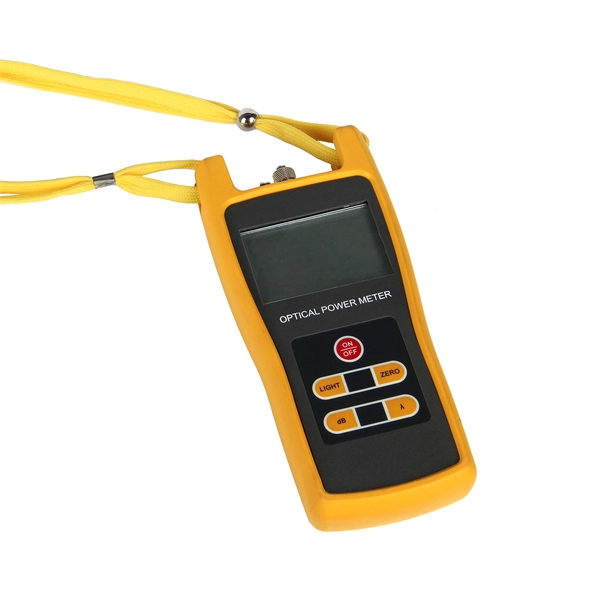
Intelligent power distribution units deployed at the cabinet level in a data center provide data and control for the data center operator. Utilizing DCIM tools to automate PDU configuration, perform data collection, and maintain PDU firmware increases operator productivity and data. Intelligent Power Distribution Units (IPDUs) have emerged as critical components in datacenter operations, addressing the growing need for efficiency, reliability, and scalability. Because most of the power delivered from the utility to. With Intelligent rack PDUs, you can remotely power on and off specific outlets to reboot idle servers from any location. W ith the incredibly high cost of running.
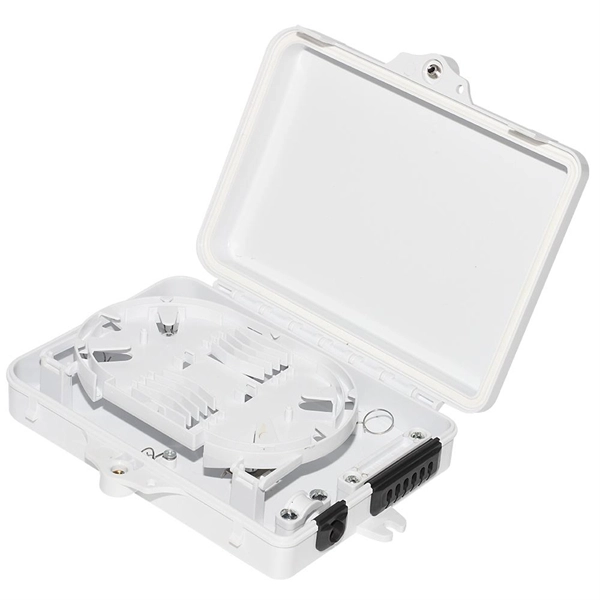
An optical module is a small device that moves data using light. It changes electrical signals into light signals and back again. This helps data travel faster and farther than with copper cables. Optical modules are very important for fast internet, cloud computing . An optical module is a typically hot-pluggable optical transceiver used in high-bandwidth data communications applications. As AI models grow more complex and datasets balloon in size, traditional copper-based interconnects are. Optical modules use light to send data quickly and reliably. They are used in fiber optic communication systems to transmit data over long distances with minimal loss and interference.
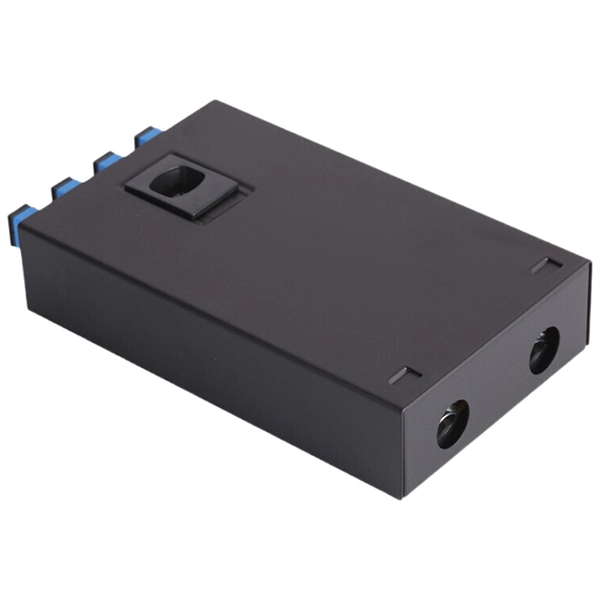
Cold aisle containment systems use doors at aisle ends, ceiling panels or lids above racks, and structural frames to create enclosed zones where cold supply air flows directly to IT equipment intakes. Without containment, cold supply and hot exhaust air mix throughout the data. Hot aisle and cold aisle containment are foundational concepts in data center design. When implemented correctly, they improve efficiency, reduce energy consumption, extend equipment life, and enhance overall reliability. An enormous amount of energy is used every day to maintain an acceptable intake. Tate's Cold Aisle Containment (CAC) system efficiently captures cold air from the CRAH or CRAC unit via an underfloor plenum, ensuring the I. T equipment is kept at an effective temperature. Double sliding doors are ideal for use on aisles 48” and wider. The center opening doors minimize the overall footprint in both directions and a. n is a best practice solution that separates hot and cold air streams. This method raises the temperature of the air returning to a Computer Room Air Con itioner (CRAC) unit, which allows the unit to operate more eficiently.
[PDF Version]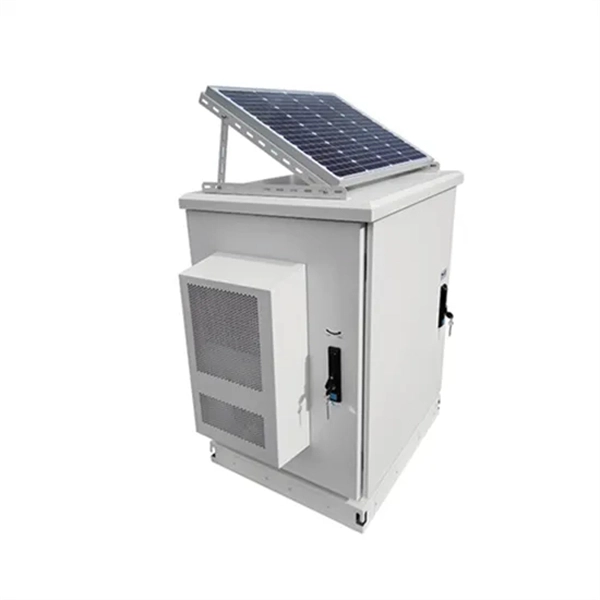
Data center power systems typically include generators, UPS, transfer switches and redundant distribution networks designed for reliability and code compliance. Figure 1: Typical arrangement for data centers showing the yard equipment and chillers on roof top. As AI workloads, higher rack densities, and stricter energy regulations increase demand on power infrastructure, design teams need more than standard capacity. What are the most common electrical equipment used in data centers? Modern data centers require sophisticated electrical equipment to deliver reliable power, maintain safety standards, and ensure continuous operation. From transformers and switchgear to battery systems and monitoring devices, each. This guide provides an overview of best practices for energy-efficient data center design which spans the categories of information technology (IT) systems and their environmental conditions, data center air management, cooling and electrical systems, and heat recovery. IT system energy efficiency. Power, cooling, racks, cabling, lighting, and safety form the backbone of data center infrastructure.
[PDF Version]
In one of Australia's most remote regions, NEXTDC and Vertiv partnered to deliver PH1 Port Hedland — a modular, edge data centre bringing cloud connectivity and resilience to the Pilbara area. Utilising EcoStruxure™ IT, LEDC monitors all facilities in real time, remotely, ensuring uptime across their network of connected Tier 3 data centres. Innovative IT and data centre solutions that. Click Learn More to View the Case Study. LEDC Cloud Services Providing Private Cloud Infrastructure, Backup and Storage Services to Regional Australia. “It's begun! Work on NextDC's GE1 4. 4MW data center in Geelong has commenced, bringing new capability to the region,” Adam Gardner, head of Edge at NextDC, said on LinkedIn this week.
Contact us for competitive quotes on any of our power communication and smart grid products
Get a Quote