
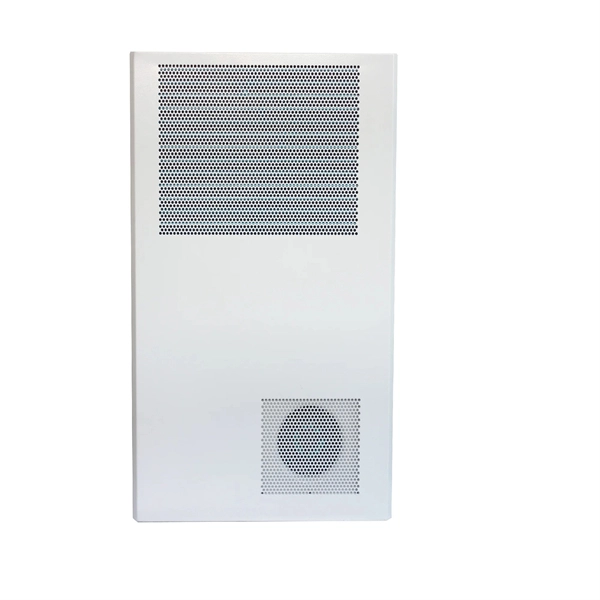
When utilizing a cold aisle system, the rest of the data center becomes hot, resulting in high return air temperatures. It also may create operational issues if any non-contained equipment such as low-density storage is installed in the general data center space. Data centers are power- and cooling-intensive facilities where even minor inefficiencies can translate into significant energy and operational costs. In this guide, we'll break down how hot aisle and cold aisle configurations. The system simply aligns server fronts (air intakes) toward a shared cold aisle, and backs (exhausts) toward a shared hot aisle. Cold Aisle: Rows of racks face each other, forming a corridor where cool air is directed. Aisle containment strategies, specifically hot aisle containment (HAC) and cold aisle containment (CAC), have become.
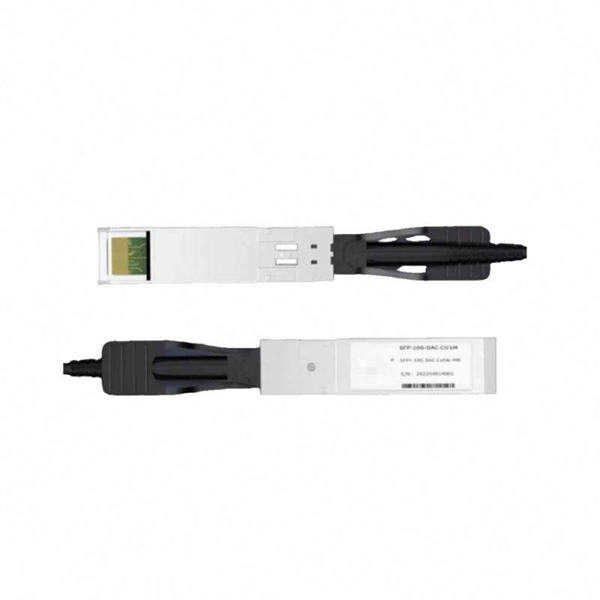
Explore cut-to-size twinwall polycarbonate sheets for hot and cold aisle containment in data centers. Lightweight, impact-resistant, and flame-rated materials that improve cooling efficiency and reduce energy costs. Armstrong aisle containment combines flexible design, strategic sourcing, and American manufacturing to deliver solutions that ensure long-term performance in a rapidly evolving digital world. The Sliding Doors reduce data center. While liquid cooling is critical for managing extreme rack densities, hot aisle containment (HAC) systems capture and isolate hot exhaust air, and cold aisle containment (CAC) systems enclose and direct cold supply air. Both approaches remain essential since most high-density environments still mix. Traditional open aisle data centres use perimeter PAC (precision air conditioning) or CRAC (computer room air conditioning) units to channel cold air up through a raised floor void via grilles positioned in front of the IT cabinets.
[PDF Version]
Use nylon zip ties to bundle cables together, reducing clutter and improving organization. Label each cable with tags or color coding for easy identification and efficient troubleshooting. Implement under-desk trays and adhesive hooks to conceal and manage cables discreetly. These 9 tips can help get you started. Prioritize. A well-organized cable system offers an abundance of benefits, safety being the most important. But better management of data and power cabling has other perks, too. Benefits for the NETWORK (and users!): Much more than just a neat and professional appearance, better cable management offers a safe. In this guide, we'll explore the best practices and tools for organized and safe wiring, including cable trays, conduits, cable ties, and labeling techniques.
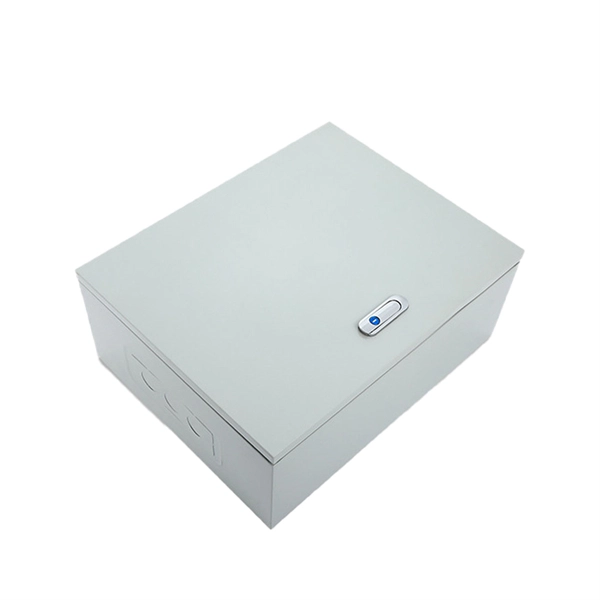
Data centers use electrical cables to provide power and transmit data. The jacket and insulation materials of electrical cables are usually made with plastics and could be the major source of combustible materi.
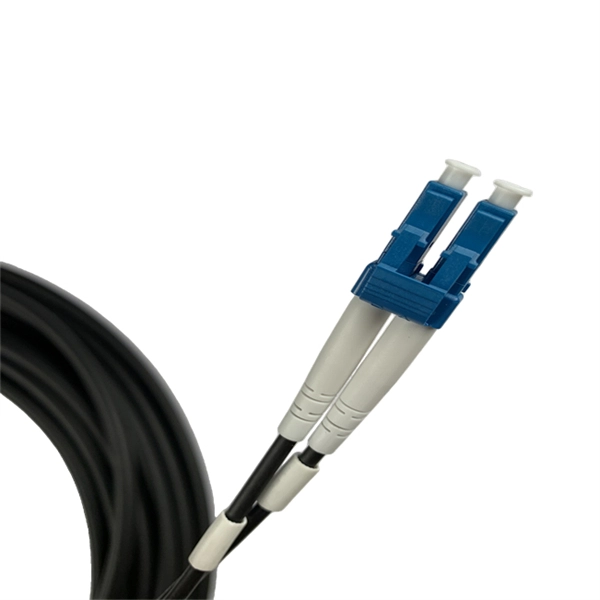
For the optical cables that are routed in to or out from a site, the metal reinforcing ribs should be grounded to the optical distribution frame (ODF) or fiber melt tray in the equipment room. However, this does not mean every fiber optic installation is exempt from grounding requirements. The critical distinction lies in. Protective Earthing is a requirement to divert unwanted, potentially hazardous currents from all exposed metallic parts such as equipment chassis, racks, cabi-nets, cable trays, conduit, and patch panels for personnel safety reasons and to avoid potential damage to equipment. Because low frequency. This Applications Engineering Note (AE Note) discusses conventional bonding and grounding practices for conductive fiber optic cable and hardware installations within the scope of the National Electrical Code (NEC). In North America, the primary source.
Optical splitters can be divided into box-type optical splitters, tray-type optical splitters, rack-mounted optical splitters, wall-mounted optical splitters, etc. according to the scope of application. Unlike active devices (which require power), splitters operate without electricity, relying solely on the physics of. A fiber-optic splitter, also known as a beam splitter, is based on a quartz substrate of an integrated waveguide optical power distribution device, similar to a coaxial cable transmission system. ;. In today's rapidly evolving optical communication landscape, fiber optic splitters play a vital role in Passive Optical Networks (PON), widely used in FTTH (Fiber to the Home), data centers, laboratories, and even university research networks.
Fiber optical stripping can be done using a special stripping and preparation unit that uses hot sulfuric acid or a controlled flow of hot air to remove the coating. Stripping and preparing fibre optic cables for termination is a critical step in the installation and maintenance of fibre optic networks. Eventually, this imperfection can initiate a crack when the. Optical fibers are typically protected with fiber coatings made from polymers such as acrylate, silicone or polyimide. Although the standard covers premises installations, many of the provisions included here ar SI/ NFPA 70, the National Electrical Code (NEC). Ensuring the fiber. Stripping is the act of removing the protective polymer coating around optical fiber in preparation for fusion splicing.
Contact us for competitive quotes on any of our power communication and smart grid products
Get a Quote