
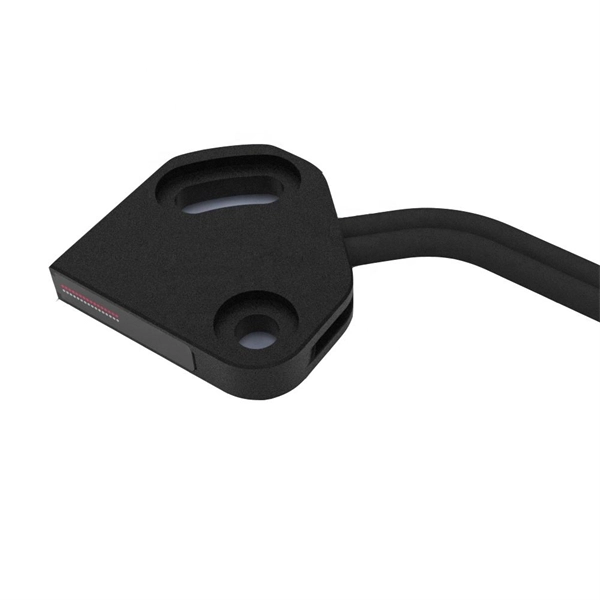
Selecting the correct pigtail is crucial for network performance. Fiber Type Choose single-mode for long-distance transmission and multimode for shorter runs. They are the bridge between fiber optic cables in the field and the equipment or patch panels that manage them. Get the wrong connector type, the wrong polish, or skip proper fusion splicing technique—and you're looking at elevated signal loss, increased back reflection, and a. A fiber optic pigtail is a short optical fiber cable that has a connector on one end and an exposed (unterminated) fiber on the other. Two main types: Jacket options: For a 144-port ODF, use 12-fiber LC UPC bunch pigtails. A labeled cable saves 30 minutes of tracing.
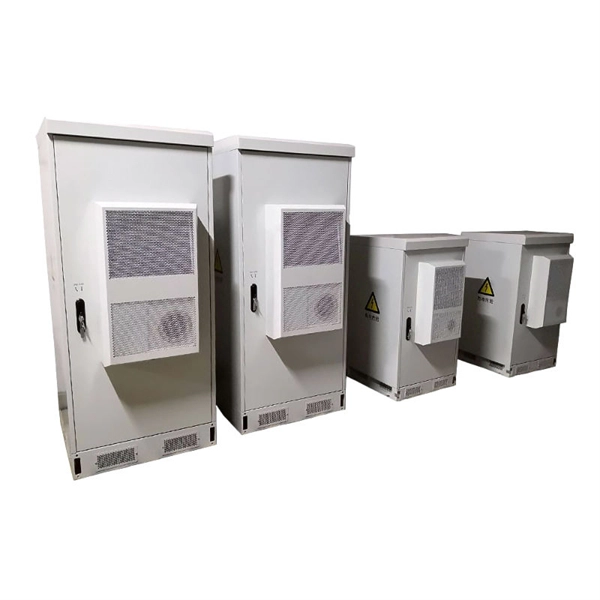
Common classifications include single-phase and three-phase distribution boxes, indoor and outdoor variants, and surface-mounted or flush-mounted types. Industrial distribution boxes are typically more robust to accommodate high currents, while residential boxes focus on. A distribution box, also known as a power distribution box or electrical distribution box, is used to distribute electrical power safely to multiple circuits. Main Distribution Board (MDB) 2. Today, electrical systems are essential for homes and industries. In this guide, we'll break down the 12 main types of distribution boxes in a way that's easy to understand. We'll chat about what each one does, where it shines, and then dive into how to choose the perfect box for your needs. Understanding its significance.
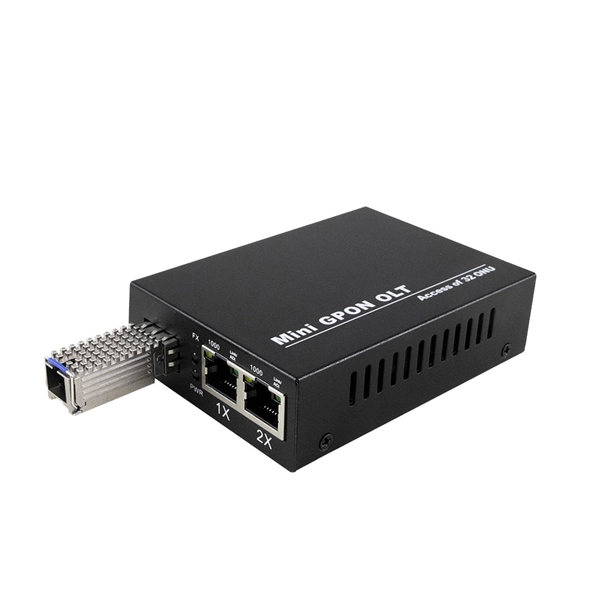
Distribution boxes, also known as junction boxes, electrical boxes, or panelboards, are essential components in electrical distribution systems. In this guide, we'll break down the 12 main types of distribution boxes in a way that's easy to understand. We'll chat about what each one does, where it shines, and then dive into how to choose the perfect box for your needs. We also highlight how reliable manufacturers like NUOMAK support stable, compliant, and cost-effective power distribution. There are two main types of distribution boards, and both play different roles depending on the setup: Main Distribution Boards (MDBs): These receive power directly from the utility or generator and then distribute it to different parts of a building. Main Distribution Board (MDB) 2.
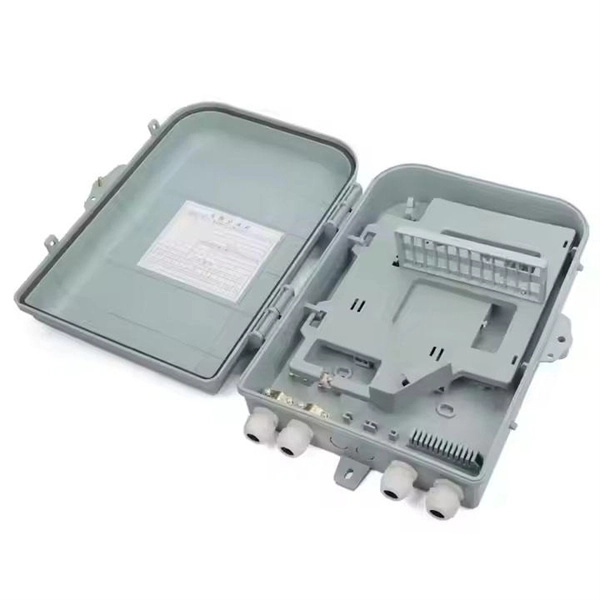
This distribution box ensures safe and reliable power distribution in areas prone to explosive atmospheres. Whether used for. ◆ The explosion-proof illumination distribution boxes is equiped with compound design: Combines flameproof (Ex d) and increased safety (Ex e) chambers for flexible protection. ◆ Enclosure of the explosion-proof illumination distribution panels treated with anti-static coating and all fasteners are. This series of products have good explosion-proof function, suitable for IIA, IIB, IIC explosive gas environment and various flammable and explosive sites, mainly used in railway, power, metallurgy, petroleum, petrochemical, chemical, iron and steel, aviation, ships and various factory areas. BXD -/8k vertical foot explosion-proof lighting (power) distribution box $r $n The explosion-proof lighting (power) distribution box adopts a composite and modular structure, and each circuit can be freely assembled according to needs. Internal wiring to the terminal is complete. Copper-free aluminium (carbon steel), powder coated surface, or stainless steel. Cable glands on request (see here).
[PDF Version]
A fiber optic patch panel is a central hub where incoming and outgoing fiber cables connect, organize, and route signals across your network. It provides a structured interface between your equipment and your cabling — allowing quick changes, easy troubleshooting, and safer cable. A fiber optic connector is a mechanical device used to align and join optical fibers, enabling light to pass through with minimal loss. Unlike fiber splicing, which is permanent, connectors allow for easy connection and disconnection of cables, making them ideal for maintenance and flexibility in. Q1: What is a fiber patch cord used for? It connects optical devices, such as transceivers to patch panels, ODFs to switches, or ONTs to FTTH boxes. Q2: How do I choose between SC and LC patch cords? SC: larger, easy to handle, common in FTTH/CATV. For more information, read our article to learn more about these devices. Listed below are. Optical fiber terminal boxes can be of many different types: Straight-through Terminal Box: This terminal box has a single external hole for the receiving line.
[PDF Version]Contact us for competitive quotes on any of our power communication and smart grid products
Get a Quote