
There are two main different types of fiber optic cable: single-mode fiber and multimode fiber cable. Single-mode is typically used for long-distance applications, while multimode is typically used fo.
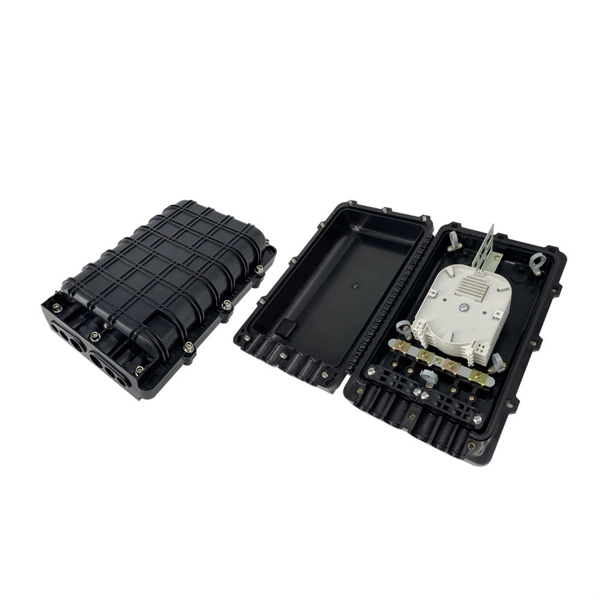
Optical Core Alignment (also called “Profile Alignment”), an optical alignment technique, is used by many models of fusion splicers. The two fibers are illuminated from two directions, 90 degrees apart. Fusion splicing is the process of fusing or welding two fibers together usually by an electric arc. The goal is to fuse the two fibers together in such a way that light passing through the fibers is not scattered or reflected back by the splice, and so that the splice and the region surrounding it are almost as strong as the. Fibre optic splicing trays are an essential part of manipulating and ordering optical fibers inside a network structure. Since the need for higher data rates and effective communication gets more robust, the utilization of optical fibers has become increasingly widespread across multiple spheres of. Corning splice trays use proven designs and fiber organization technology to provide optimum physical protection for fusion and mechanical splicing methods. The trays are engineered for use with indoor or outdoor splice hardware with both loose tube and tight-buffered optical cable designs.
[PDF Version]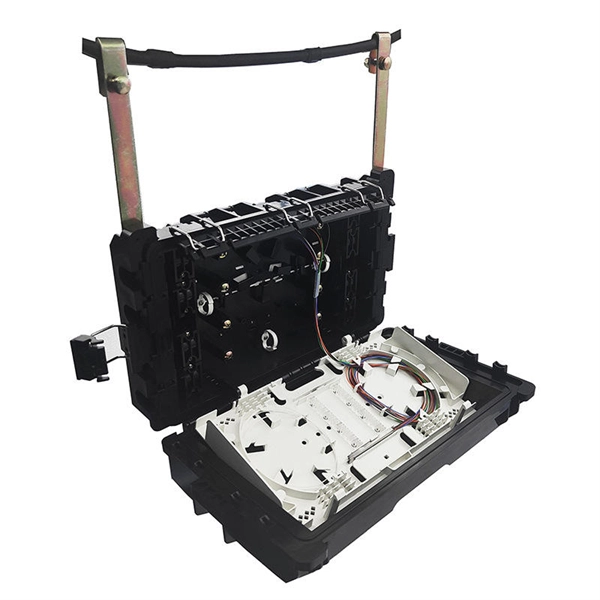
Single mode and multimode fiber optic cables are two different types of fiber optic cable aimed at different use cases. Single mode cables are typically made with a single strand of glass at their core, leading to a n.
Compact and portable, our light source and optical power meter tools are essential for testing and verifying insertion losses in fiber links across various networks, including cable TV, enterprise, service.
Short answer: Usually yes, you use them in pairs, but the “pair” can be a media converter on one end and a fiber switch (or SFP in a switch) on the other, as long as both sides speak the same speed, wavelength, and optical mode. The term "single/dual fiber" refers to how many fiber strands are used for communication between two devices. Single fiber modules—often called bidirectional (BIDI) transceivers—transmit and receive signals over a single optical fiber by using two different wavelengths. For example, one module. The secret lies in fiber optic technology, and understanding the basics—1-core, 2-core, Single Mode (SM), and Multi-mode (MM)—is key to mastering this field. Let's break down these terms in simple, clear language with practical examples. In DWDM implementations, each direction of communication occupies a dedicated fiber, improving the stability of the transmission. Understanding the compatibility constraints prevents costly downtime and troubleshooting.
[PDF Version]Contact us for competitive quotes on any of our power communication and smart grid products
Get a Quote