
The PoE watchdog function on a PoE network switch is a "self-healing" network feature designed to monitor the status of connected PoE-enabled devices and provide a method to reset them if they become unresponsive or malfunction. It also monitors the power summary of switches supplying PoE, which provides information such as a switch's power budget, used power, remaining power, and power usage. Generates analytics about PoE usage at switch-level to help you. Install, maintain and troubleshoot PoE devices and data cabling The PoE Tester is a multifunction tool that identifies the Class of the PoE source, injector type and power available to a PoE device regardless of cable length, cable quality or other factors. Save on. Network switches form the backbone of any Local Area Network, or "LAN" (pronounced "lan") for short.
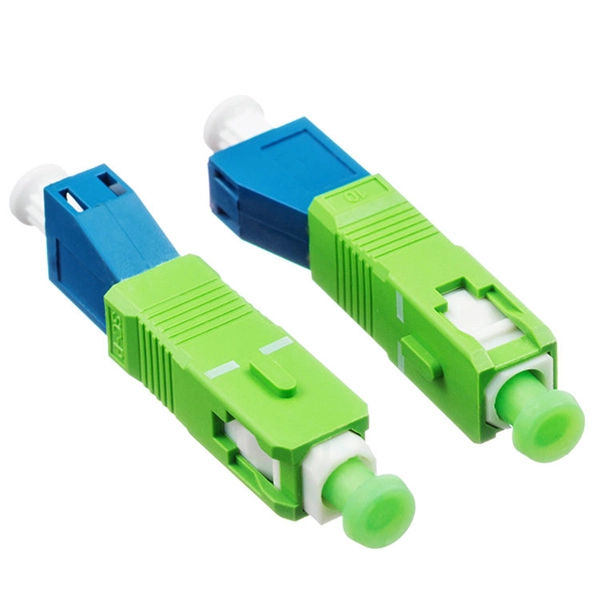
Get low-loss fiber patch cables & cords with various connector options that support fiber optic cabling up to 400G. Whether LC duplex fiber optic patch cables, SC duplex fiber optic patch cables or MTP fiber optic patch cables - at EFB-Elektronik you will find a large selection of fiber optic patch cables, including OM3 and OM4 fiber types, always available from stock. We offer fiber optic materials from Test Equipment, Bulk Cable and Fusion Splicers to Tools, Patch Cables and Consumables. Check each product page for other buying options. Fibre optic patch cables are particularly important for use in data cabinets and are therefore of particular interest to users in the IT sector. Here. With 4 decades of fiber optic interconnect manufacturing experience, our optical assembly personnel are adept at processing a wide variety of fiber termini, including ST, SC, FC, LC, MT-RJ and MTP/MPO duplex fiber optic connectors in 9/125 Single-Mode (OS1), 62. 5/125 (OM1) and 50/125 (OM2, OM3).
[PDF Version]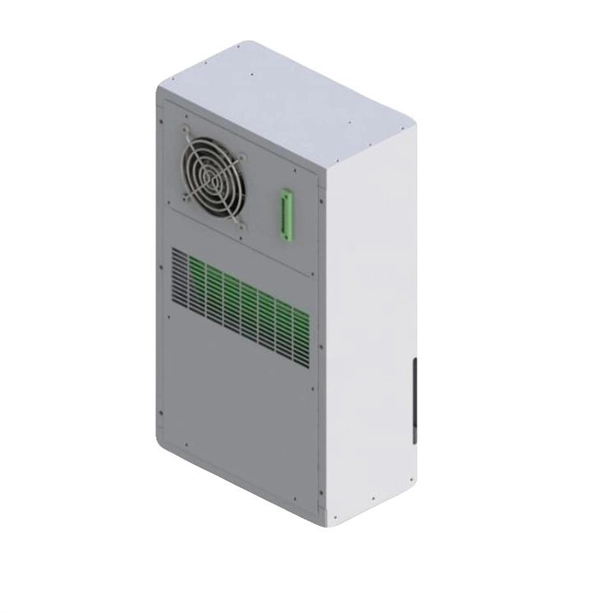
As an essential node in Passive Optical Networks (PON), the ONU not only handles the conversion between optical and electrical signals but also supports various services such as data, IPTV, and voice. In this "last mile" of the information superhighway, the Optical Network Unit (ONU) plays a crucial role. There are no specific requirements for this document. This document is not restricted to specific software and hardware versions. As global demand for Fiber-to-the-Home (FTTH) expands, ONUs have become essential for delivering reliable broadband to homes. The Optical Line Terminal (OLT) is the central component of the PON system, typically housed at the service provider's central office. It is a crucial component in fiber-optic communication networks.
This guide covers the technical requirements for modern rack deployments: Cat6A cabling for multi-gigabit infrastructure, thermal dissipation for high-power PoE devices, proper rack depth planning, and SFP+/DAC uplink configurations. Which width of rack you will use depends on the equipment that is installed. Network racks are designed to house switches, routers, patch panels, and other structured cabling system local area network (LAN) gear to facilitate connections to and from the server racks. You will learn layout basics, spacing rules, labeling habits, and grounding steps. Wi-Fi 7 Access Points often require 10Gbps backhaul, and many. Professional rack installation provides several critical advantages: Disorganized racks don't just look bad.
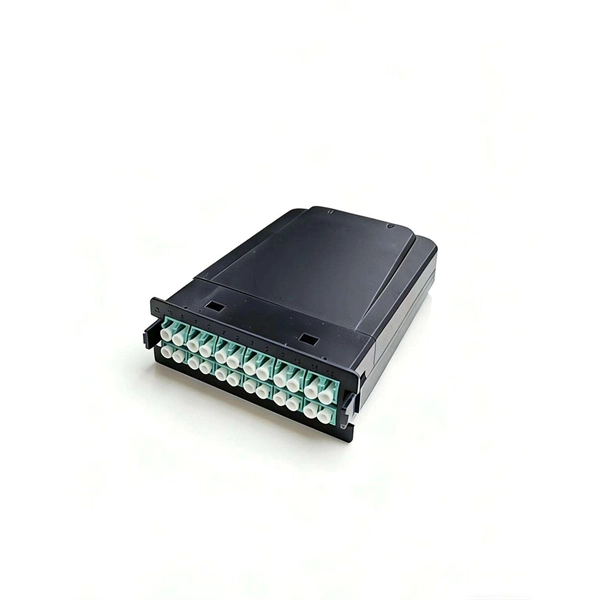
Most rack cooling systems utilise server rack fans or data rack fans that draw cool air from the front or bottom of the rack. They then exhaust hot air out the rear or top, creating a directed airflow path to dissipate heat efficiently. Choosing the right type of fans and positioning them properly allows data center managers to bring cool air in from. Learn how server rack cooling prevents overheating, boosts performance, and ensures reliability with expert tips and advanced solutions. High temperatures can damage CPUs, GPUs, and storage devices, leading to costly failures. Implementing effective rack cooling ensures:. Forced cooling enhances airflow using powered fans and blowers to push air across equipment. It's the most common method for modern data center racks. Ideal. A server rack must be cooled efficiently so that the data center infrastructure performs at its optimum level and lasts longer according to uptime guarantees.
[PDF Version]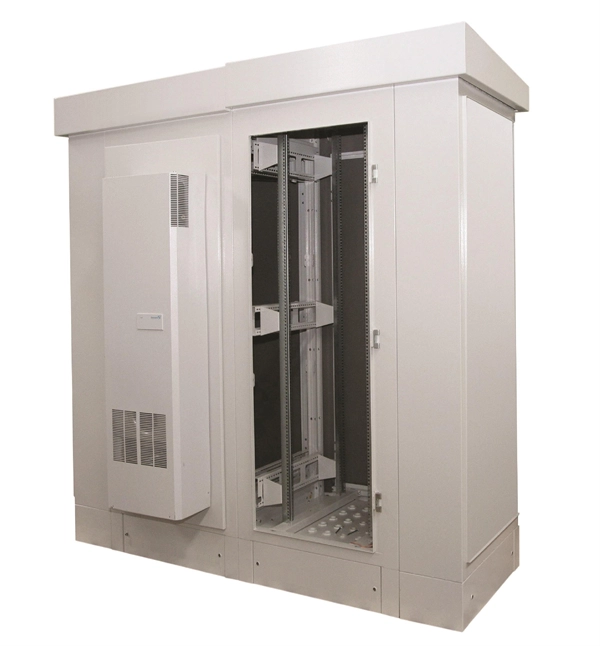
Patch panels serve as the backbone of structured cabling systems, providing a centralized point for organizing and connecting network cables. In a data center, cross-connection refers to the use of additional patch panels that mirror the ports of connected equipment, essentially creating a separate patch area where any equipment port can be connected to any. The patch panel and Ethernet switch play pivotal roles in connecting all devices within a data center. Below is a front and back view of an installed patch panel. It also organizes devices that comprise a network by managing the flow of incoming and outgoing data through its ports to various servers and switches. Each of its ports is associated with a distinct cable. Poor patch panel cable management doesn't just make racks look messy — it silently drains operational budgets through extended MTTR (Mean Time To Repair), thermal inefficiency, and failed audits. This guide distills field-tested techniques from hyperscale deployments and enterprise campuses.
[PDF Version]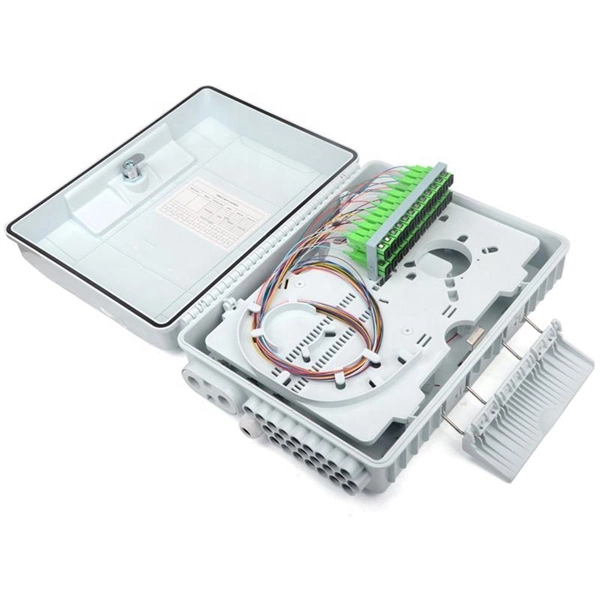
This article explains the telecom cabinet manufacturing process and the key stages involved in producing reliable outdoor telecom cabinets. Main steps include: ◇Engineering design and 3D modeling ◇Sheet metal cutting and bending ◇Cabinet welding and grinding ◇Powder coating surface. Network rack are mainly used in communication systems and are widely used in fields such as power systems, transportation systems, and CATV. Material choices such as mild steel for structure and aluminum 5052 for heat dissipation balance performance with manufacturability. Capable of bending up to 400mm deep, clients such as Alphatec Schaltschranksysteme GmbH and CAM srl trust this machine to meet their sheet metal thickness requirements. The company covers an area of 10000 square meters and has advanced production equipment such as hydraulic swing shear, hydraulic bending machine and. The choice of floor slab system is a critical factor in Data Center design, as it influences structural capacity, construction speed, flexibility, and cost.
[PDF Version]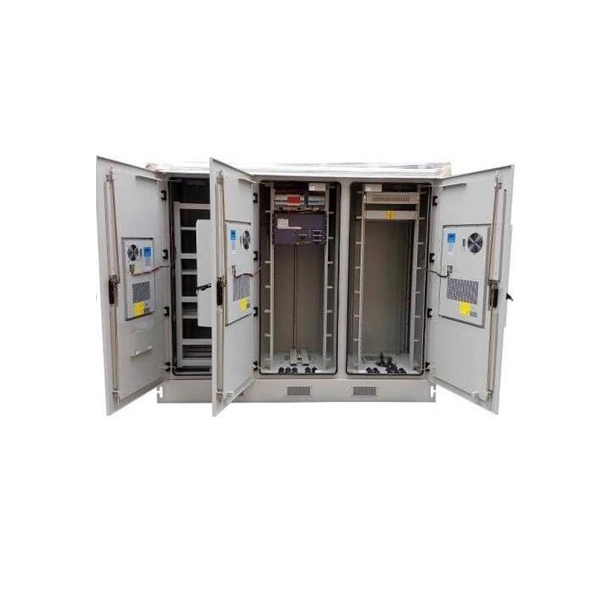
The integrated chip allows the module to connect to a PON network to a point-to-point Ethernet SFP+ port on the routers. It supports port by port expansion on NCS540 and NCS5500/5700 router ports. It is suitable for high bandwidth business PON connectivity as well as high density. The solution becomes a part of the access router by plugging the Cisco PON SFP+ into 10G ports of NCS540, NCS5500, and NCS5700 series routers. Leveraging mainstream Ethernet protocols, the Xingmai PEN solution uses optical fibers to implement passive data transmission without the need of any ELV room. Unlike other passive optical Tap solutions that must be added as separate layers in the network link, Corning Tap Modules allow network. An optical line termination (OLT), also called an optical line terminal, is a device which serves as the service provider endpoint of a passive optical network. This also allows form factor for future growth to higher speeds. all-mount enclosures or flat rack-mount panels. They are available with the following port configurations: 3-slot wide (2x32, 1x32, two 2x16, two 1x16, four 1x8s, four 2x8s) 2-slot wi r to optical power from any single output port.
[PDF Version]
The EU EN 18031 certification introduces a new era of cybersecurity compliance under the Radio Equipment Directive (RED). This article. Network devices represent one of the core pillars of IoT, enabling the smart “things” to connect and communicate with each other. The standard is highly technical, divided into three detailed parts, and can be challenging to navigate without. From the CCDB established Working Group, the Network Device International Technical Community (ND-iTC) was formed. Since August 1, 2025, these requirements have been in full force.

Use Fiber pigtails when you splice. Two main types: Jacket options: For a 144-port ODF, use 12-fiber LC UPC bunch pigtails. Splice one ribbon at a time. Color coding helps avoid mistakes. Keep a test cord on. When you build or upgrade a fiber network, the same four words pop up everywhere— fiber optic (bare fiber), pigtail, patch cord, optical cable. They're related, but they are not interchangeable. Mixing them up drives costs higher, increases loss, and slows your rollout. The good news? Once you nail. A pigtail is used to provide fiber optics with a connector. This creates a stable and reliable connection between network equipment.
Contact us for competitive quotes on any of our power communication and smart grid products
Get a Quote