
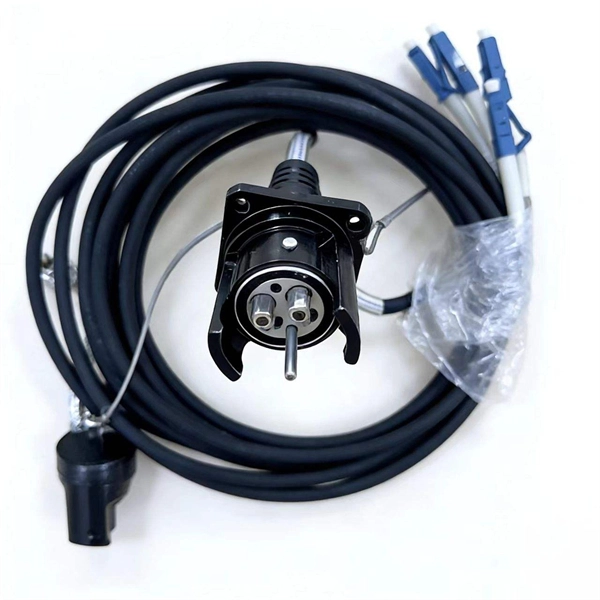
To set up your router for fiber internet quickly, connect the router to your fiber modem, access the router's settings via a web browser, and input the provided ISP credentials. Make sure to update the firmware, configure Wi-Fi security, and customize your network name for. However, setting up a fiber optic connection to your router can seem daunting if you're unfamiliar with the process. With. Setting up and configuring a router is the foundation of establishing a reliable home or office network.
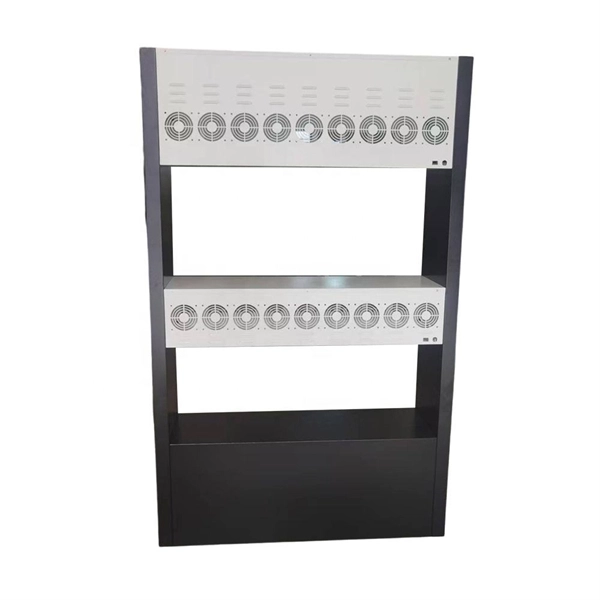
The process involves a combination of national infrastructure, local engineering, and property-level setup. This guide walks you through the complete fiber installation process, from checking availability to optimizing your Wi-Fi network performance. Fiber transmits data using light signals through glass strands, delivering faster speeds and lower latency than cable or DSL connections that rely on. Starting with site surveys and permissions, to installing fiber optic cable and emphasizing the process as a key stage in mastering fiber optic installation, to the careful handling of cables and high-stakes splicing, each stage is critical. What Is Fiber Optic. Fiber optic internet is generally installed in the following 5 steps, which we'll dive deeper into throughout the article: A technician checks your area and prepares the connection from the neighborhood fiber network. Why Use Fiber Optic Internet? Before diving into the setup, let's quickly recap why fiber optics are worth the effort: Lightning-fast speeds (up to 1 Gbps or higher). This DIY effort is undertaken to maximize performance, improve aesthetics, or relocate the Optical Network Terminal (ONT) to a.
[PDF Version]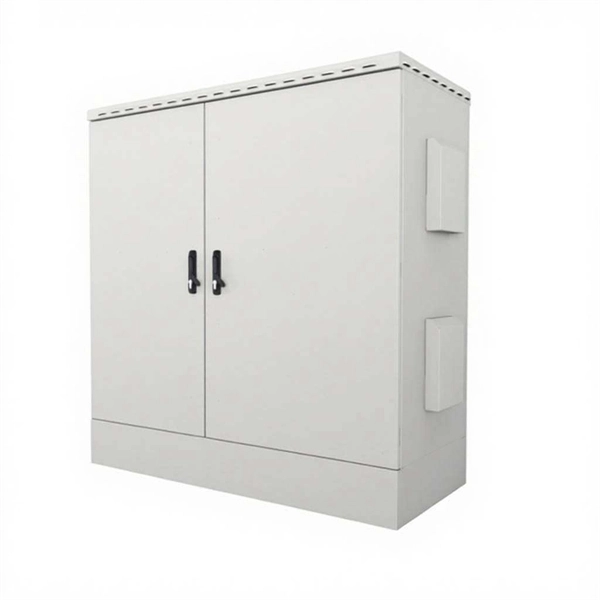
Fibre light red or flashing indicates no fibre signal or connection issue with the fibre or service interruption. Not sure what the lights on your fiber equipment mean? This guide explains each status light and how to troubleshoot common issues. Ensure your Fiber Jack is connected to the network and the LED lights are connected and working properly before moving. The Optical Network Terminal (ONT) is a crucial device in modern telecommunications, serving as the interface between your home network and the fiber-optic internet connection provided by your Internet Service Provider (ISP). Typically, these lights correspond to various router functions such as power. Broadband provides high-performance Wi-Fi 6 routers. This is your "all clear".
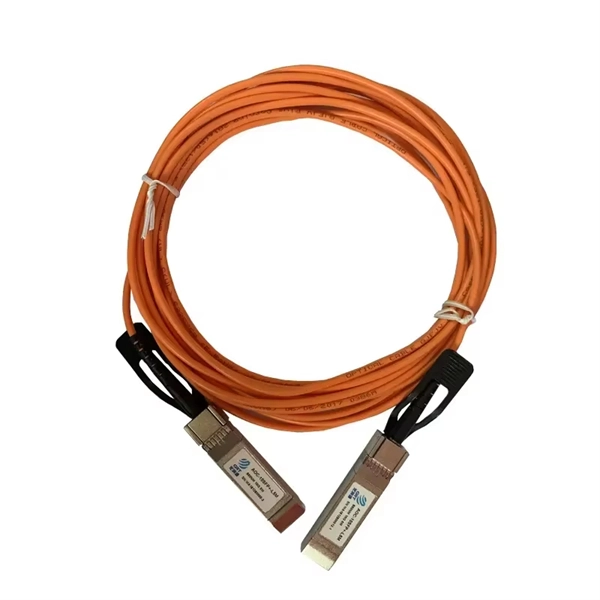
Key Insight: Bhutan's fiber optic infrastructure has expanded significantly, covering 78% of households by 2026, boosting digital connectivity. The data is collected from the stakeholders, Bhutan Power Corporation (BPC), Bhutan Telecom Limited (BTL), and Tashi InfoComm Limited (TICL) on a monthly basis and the report is prepared on a quarterly basis. This is the first quarter report for the financial year 2023-2024. The rapid growth in mobile internet users and. The Optical Fiber Cable Data provides technical information regarding the layout and specifications of fiber optic infrastructure. This includes precise cable routes, capacity, and network planning, infrastructure development, maintenance, and operational management. Analyze network nodes within a 10 km radius using our automated API service. Bhutan Telecom Launches WhatsApp-Based Chatbot to. Copyright © 2025 Bhutan Telecom Ltd. National Backbone Network connects the entire country with fiber optics cables (piggybacking on the BPC transmission and distribution network) down to the block level (all 20 districts and 201/205 blocks).
[PDF Version]
Fiber internet is connectivity delivered over fiber optic cables that move data as light. That's why it's faster, more reliable, and a lot less moody than broadband built on copper or coaxial lines. Cable utilizes familiar copper wiring originally built. Right now, fiber internet has the fastest plans and symmetrical speeds, but that's probably going to change in the next several years as cable internet incorporates new technology enabling multi-gig symmetrical speeds. We'll give clear, accessible explanations (with example scenarios) to help you decide which suits your needs best. A fiber optic cable. Both technologies can look fast in provider ads, but they behave differently when a real household starts streaming, gaming, taking meetings, and uploading files at the same time.
Fiber is faster, highly reliable, more durable, and great for cloud-based or real-time work. Cable is cheaper to install and more accessible but can get slower during busy hours due to shared bandwidth and asymmetrical speed. Technically, both can reach 10,000Mbps (10Gbps)—cable internet's overall design just needs to catch up with fiber. Are you looking for better. This guide compares fiber-optic cable and traditional copper internet cable (coaxial cable) across key factors: technology, speed, reliability, and cost in 2025. A fiber optic cable. The key difference between broadband and fiber lies in their underlying transmission medium and resulting performance, with fiber optic vs broadband showing clear advantages in speed, latency, and future-proofing. Learn the pros and cons in this guide. Fiber offers symmetrical speeds up to 10 Gbps and superior reliability, while cable provides wider availability and competitive pricing starting at $20-80/month. Though fiber is technically superior.
[PDF Version]
Luna is an international leader in fiber optic test applications, with award-winning research in high resolution OBR, distributed fiber optic sensing, and terahertz measuring technologies. Fiber optic sensors enable accurate and dependable structural health monitoring systems that can span all sizes of structures and capture both static and dynamic phenomenon. Luna's monitoring system instrumentation includes optical interrogators, long-gage strain sensors, accelerometers. Leaders in Distributed Fiber Optic Sensing OptaSense is a global leader in distributed fiber optic sensing (DFOS), providing advanced monitoring solutions that transform standard fiber optic cables into intelligent sensing networks.
00 per ft depending on terrain, access, and required precision for termination. Total ≈. Typical rates range from $0. 52 per foot for wholesale bulk purchases, or $1 to $6 per foot at retail. A simple 1-core FTTH drop cable costs around $0. Main cost drivers include cable grade (indoor vs outdoor, armoured), distance, and labor for trenching, splicing, and termination. This guide presents ranges in USD and practical price estimates to help. Whether you need singlemode, armored, or indoor plenum, this guide gives you the exact cost per foot of fiber optic cable — including installation — so you can budget without guesswork. Here's a general pricing reference: Cable TypePrice Range (USD/meter)Simplex / Duplex Indoor Cable$0. Understanding cost and price helps set a realistic budget from the start. Custom-built cables or niche specifications can lead to higher prices.
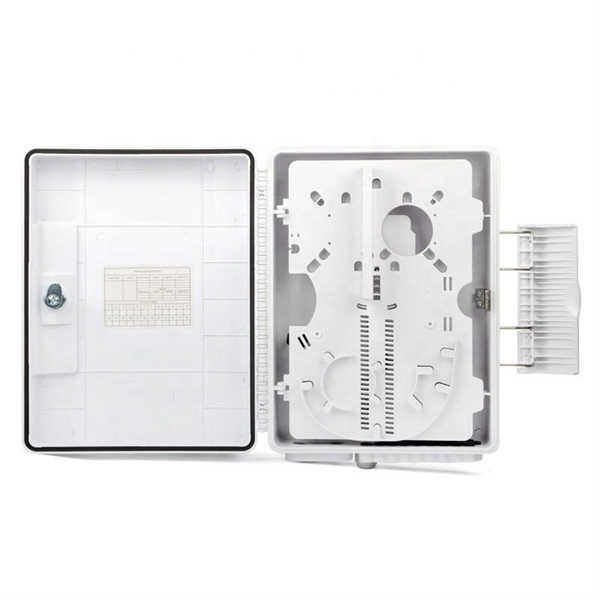
Fiber optic cables are categorized using multiple criteria: transmission mode (single vs multimode), environment (indoor vs outdoor), construction (tight-buffered vs loose-tube), and application (e., data center, telecom, industrial). Below, we explore these classifications. Fiber optic network design refers to the specialized processes leading to a successful installation and operation of a fiber optic network. It includes detailed mapping of backbone, distribution, and drop connections for FTTH, FTTP, FTTx, and enterprise networks. What is fibre network mapping? Fibre network mapping is a critical process in the planning, deployment, and management of fibre optic networks. It. Designing a fiber optic network is like planning a city's road system, it needs to be efficient, reliable, and built to handle both current and future traffic.
Contact us for competitive quotes on any of our power communication and smart grid products
Get a Quote