
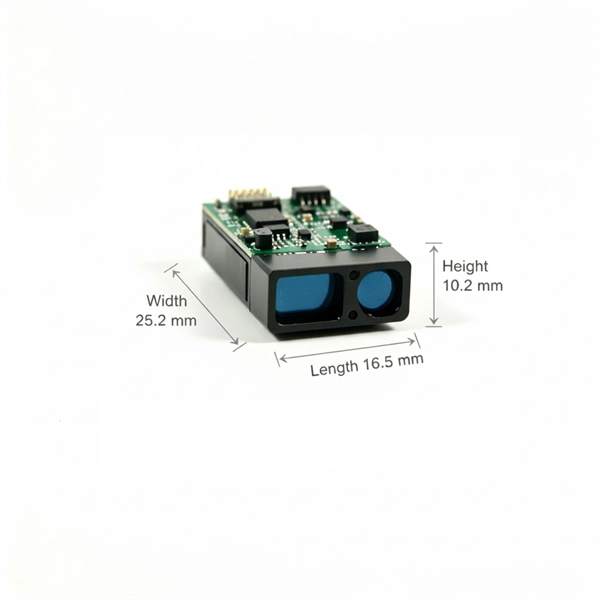
We look at how to install a consumer unit like a professional electrician, covering everything from circuit labelling, cable management, wiring, and safety checks. This step-by-step installation tutorial ensures you understand key considerations for domestic. Your digital dash install guide starts here: Installing a modern digital instrument cluster (e., 7-inch TFT or configurable LCD dash) is not a simple plug-and-play swap—even with OEM-compatible units. Use this guide to find out how to replace a thermostat and the tools you'll need for the job. The harness contains pins for various I/Os.
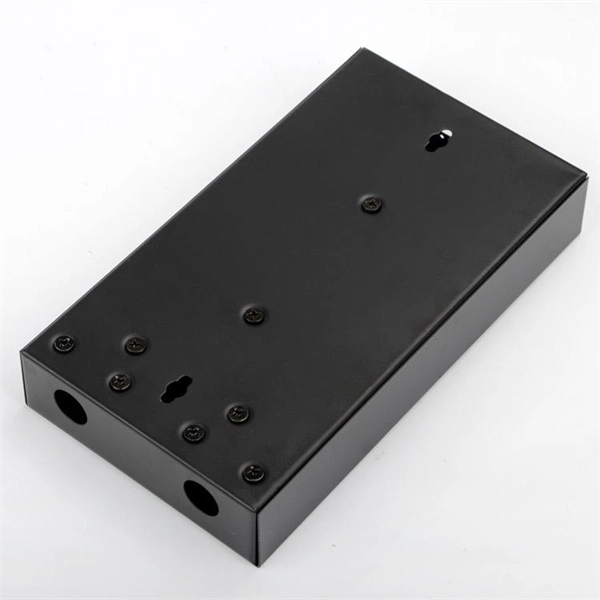
Circuit breaker wiring configurations involve organizing main switches, busbars, and branch breakers within a distribution box. Proper setups ensure balanced electrical loads, ground fault protection, and easy maintenance. Common configurations include single-phase for homes and three-phase for. A distribution box, also known as a distribution board, electrical panel, or breaker box, is an enclosure that houses electrical components responsible for distributing electricity throughout a building. It receives power from the main electrical supply and divides it into separate circuits, each. Electrical Wiring is a process of connecting cables and wires to the related devices such as fuse, switches, sockets, lights, fans etc. Single Phase Distribution Box generally consists of Double Pole MCBs, Single Pole MCBs, and RCCBs.
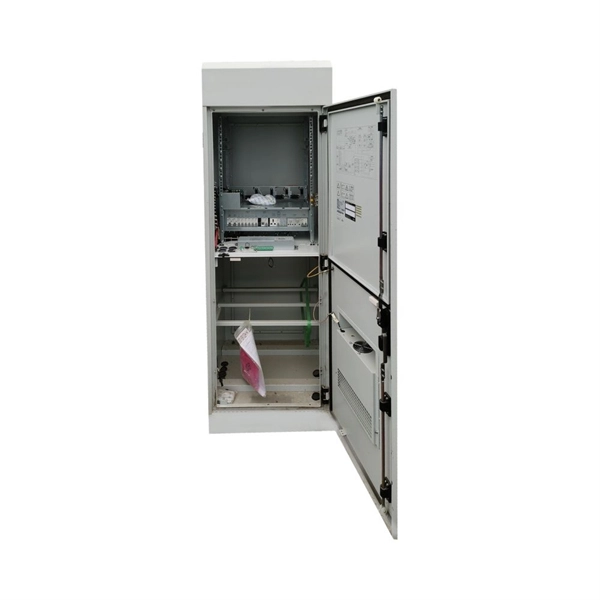
Wiring diagrams are the heart of your schematics. Here's what you should include: Transformers for stepping down voltages. Fuses or circuit. What is a PLC Control Cabinet? A PLC control cabinet is a protective enclosure for your automation systems. It houses components like PLCs, power supplies, and I/O modules, keeping them safe from damage in industrial environments. Safeguarding PLCs from dust, humidity, and physical damage is. Construct control cabinets in a fraction of the time through simple manual wiring without tools: WAGO Push-in CAGE CLAMP ® Technology allows you to reduce costs, increase the safety of your application and reduce the time and effort for control cabinet wiring by up to 50 percent. A clean control cabinet reflects engineering professionalism and prevents many hidden failures. Therefore, it is your responsibility to effectively communicate your design intentions to the electricians.
[PDF Version]A PLC Cabinet is a secure enclosure that houses a Programmable Logic Controller (PLC) and its accessories, offering protection from environmental a...
PLC is an industrial computer used for automation, while PCB is a circuit board that connects electronic components.
PLC boards vary by application and can be relay output, analog I/O, digital I/O, or communication boards.
PLCs come in three main types: compact, modular, and rack-mounted, each suited for different industrial needs.
A PLC panel typically includes a PLC processor, I/O, power supply, and communication modules.
A PLC system is a complete setup for industrial automation, consisting of a PLC, I/O interfaces, and often software for control and monitoring.
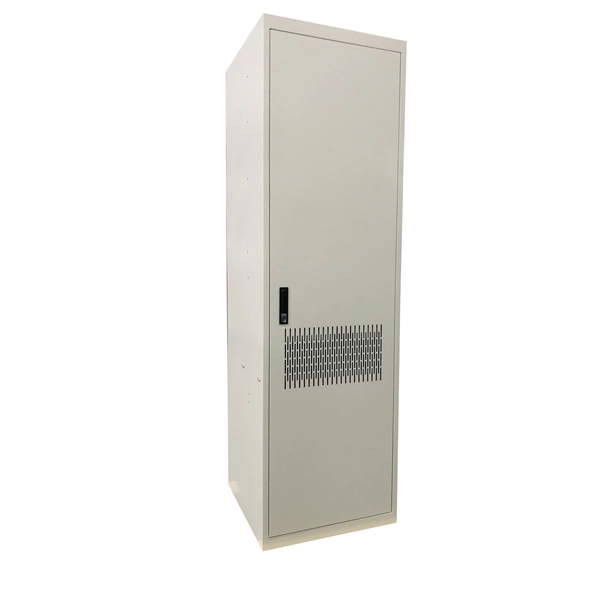
When multiple cables enter an electrical box, “pigtailing” is the preferred connection method. Pigtailing involves twisting the incoming hot, outgoing hot, and a short segment of matching wire (the pigtail) together with a wire nut. In this guide, we'll break down everything you need to know to install a distribution box correctly and confidently. Choose the right box based on environment (indoor/outdoor), load capacity, and durability. Check for proper IP/NEMA ratings and material quality. Wiring Direction: Wiring between the main circuit breaker and each branch circuit breaker in the box generally. This guide covers split load vs dual RCD vs RCBO board configurations, circuit arrangement and allocation, BS 7671 labelling requirements, type testing under BS EN 61439, SPD installation, wiring best practice, and the common mistakes found during EICR inspections. A high-reliability LV panel does more.
[PDF Version]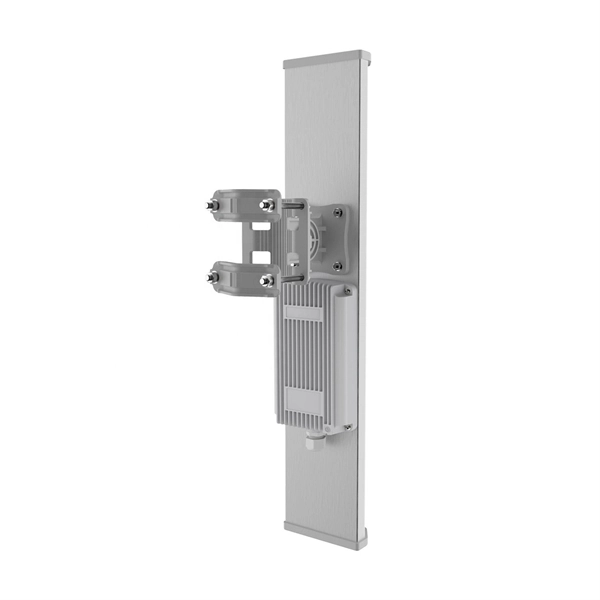
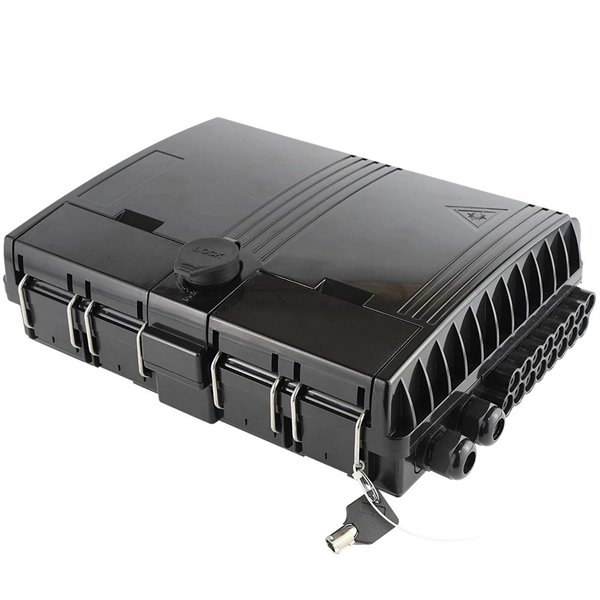
An electrical enclosure is a protective box or cabinet designed to house switches, circuit breakers, wiring, and other vital electrical components. You'll find them on walls, floors, or even mounted on machinery. Also known as an equipment room or server room, a Wiring Closet is a dedicated space, typically on each floor of a multi-floor building, housing critical networking hardware. By sealing off live parts, enclosures keep dust, moisture, and curious fingers safely. Electrical cabinets are boxes that hold electrical parts like wires, switches, and breakers. They help keep these parts safe and tidy. These systems combine the durability of wire shelving with the mobility needed to adapt to changing workflows, helping businesses maximize. Telecommunications enclosures are structures protecting sensitive equipment from environmental factors, ensuring seamless operation in public and private telecom systems. Without them, our increasingly connected world would face disruptions in communication.
[PDF Version]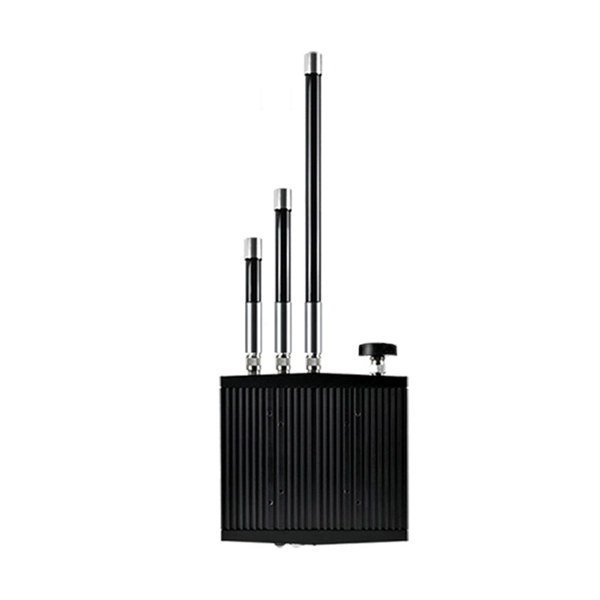
This article outlines five specific steps for repair: 1) Identify the break; 2) Cut out the damaged section; 3) Strip the cable; 4) Trim the fiber ends; 5) Test the repair. DIY fiber optic cable repair kits are increasingly popular for those who prefer home repairs. Whether you're a network technician, IT professional, or telecom operator, you'll find practical steps, tools, and tips to restore connectivity with minimal loss. Adhering to precise methodologies, we can mend impaired cables with minimal signal loss or downtime. I share insights from 500+ successful field repairs to help guide technicians of. Whether you're facing a complete cable break or troubleshooting performance degradation, we will equip you with the knowledge to understand, diagnose, and address fiber optic cable damage or know when to call the professionals. Begin by identifying the damage, which can be done using an Optical Time Domain Reflectometer (OTDR).
[PDF Version]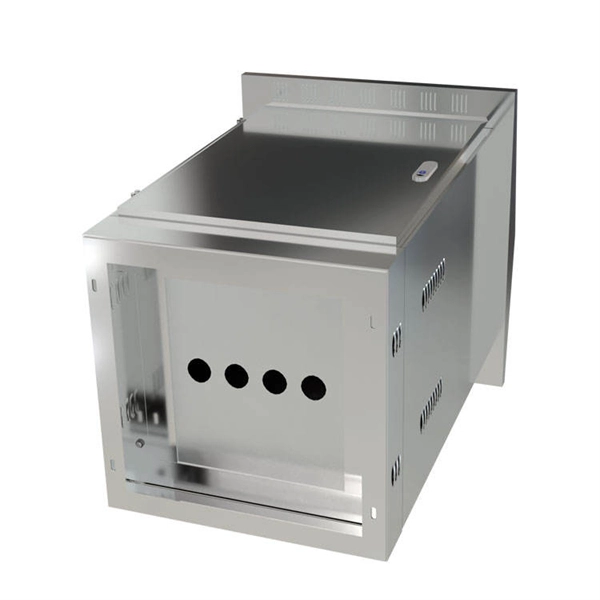
The MCC Panel Design Guide discussed here will cover every aspect: IEC standards, wiring diagram, cost analysis, and sizing calculations. This article explains the standard MCCs components using the single-line and wiring diagrams to interpret the functionality of each component and the integral MCC function. ol center consists of one or more vertical metal cabinets referred to as “sections. All MCC sections include top and. This bulletin contains instructions on installing, operating, maintaining, modifying, and expanding an arc-rated Model 6 Motor Control Center (MCC). Readers will find detailed insights into how to design an MCC panel step by step, along with examples, tables, and technical notes. DWG/2013/01/REV1. Eaton's motor control centers (MCCs) provide a convenient method for grouping motor control, as well as associated distribution equipment. MCCs may be applied on electrical systems up to 600 V, 50 or 60 Hz, having available fault currents of up to 100,000 A rms. Enclosure designs include NEMAT 1.
[PDF Version]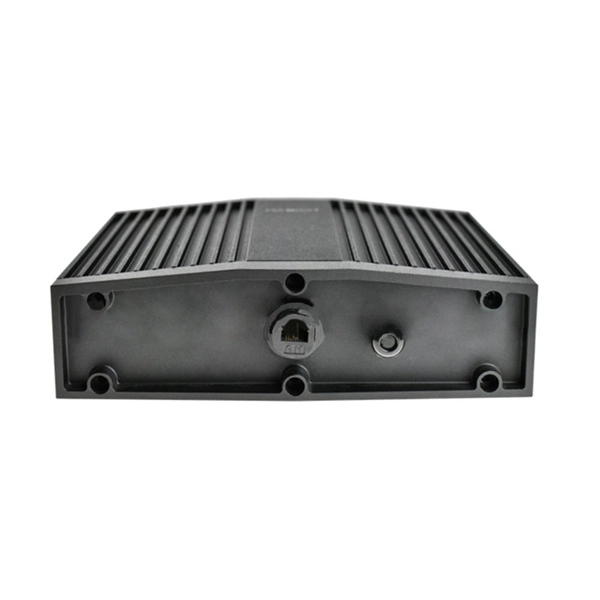
To solder the wires to the relay, tin the end of the required wire, and bend the tinned end of wire in the middle with needle nose pliers to form a "U" shape. Please refer to them during installation in order to avoid problems. The protective measures used will determine suitability for automatic soldering or automatic cleaning. Please follow the recommendations. As electronic devices become more compact, it is becoming a common practice to weld the relay to a PC board (along with the semiconductors) rather than using plug-in relays with sockets. When relays are welded, their functionality may be affected due to seepage of flux into the relay. Where to find. In this guide, I'll walk you through pro-level soldering techniques, safety tips, and insights from real PCB assembly challenges.
At the heart of server rack cooling is a basic principle: heat moves from hot to cold. This process, called thermal transfer, is how your equipment gets rid of excess heat. Rack mount equipment generates heat as a result of the processes it completes; the amount of heat a piece of equipment dissipates is approximately equal to the total electrical power delivered to it. This heat is absorbed by the ambient air in the server, and removed by airflows generated by fans. Because data centers are high-density enclosed spaces that generate a significant amount of heat, traditional comfort cooling systems can't remove enough heat to protect the critical equipment. Additionally, well-managed heat control helps systems consume less power. IT system energy efficiency. Whether you're operating industrial automation systems with electrical switchgear or high-density data servers in server racks, effective temperature management is crucial for long-term performance and equipment longevity.
[PDF Version]
A practical, engineering-focused guide to planning and installing underground fiber optic cables with the right cable structure, trench design and protection level for long-life, low-risk networks. Match trench method with the correct underground fiber structure (GYTS . These are the outdoor fiber optic cables you see strung along telephone poles (aerial), installed inside an underground duct, or even buried directly below ground. 2 meters (3-4 feet) deep to reduce the likelihood of accidentally being dug up. It affects performance, maintenance, cost, and reliability.
Contact us for competitive quotes on any of our power communication and smart grid products
Get a Quote