
Outdoor (ADSS) OFC MLT: ARAMID + PE with 6 Tubes of Ø1. Product feature: This cable has all dielectric and. 24 Cores ADSS Fiber Optic Cable ADSS optic cable adopts loose tube layer stranded structure, and the loose tube is filled with water blocking compound. Unlike. Tensile Strength, Long-Term Max. The cable's insulation is made from a combination of PVC, PE, AT, and FRP materials, providing excellent. The ""All Dielectric Self-Supporting (ADSS)"" cables are designed for aerial self-supporting applications at short, medium and long span distances. They are being deployed by cable.
The SFP-10G-AOC SFP+ Active Optical Cable is a plug-and-play, cost-effective solution for 10Gbps connections. It uses Multi-Mode Fiber (MMF) with SFP+ connectors and has built-in optics, eliminating the need for separate transceivers and patch cables. DESIGNED FOR USE IN 10GB/S DATA RATE LINKS. COMPLIANT WITH 10G ETHERNET AND CPRI Amphenol's 10G SFP+ optical modules include SFP+ AOC. They are compliant with SFP+ MSA, SFF-8431 and SFF-8472, and are mainly used in Telecom, Wireless, InfiniBand, and Fiber Channel. AOCs are much thinner and lighter than copper cables, which makes cabling easier. 10Gtek. 10G SFP+ AOC (Active Optical Cables) are conceptually two SFP+ optical transceivers with a fiber optic cable permanently embedded into each end (the fiber cable cannot be removed). Whether you're upgrading server‑to‑switch links, extending. Pivotal Optics' Active Optical Cables (AOCs) are fully integrated, plug-and-play fiber assemblies designed for short- to medium-range high-speed data links—without the need for separate transceivers. Built with bonded multi-mode or single-mode fiber, these cables deliver secure, low-latency.
[PDF Version]
IPC-A-640, officially titled “Acceptance Requirements for Optical Fiber, Optical Cable, and Hybrid Wiring Harness Assemblies,” provides acceptance criteria for cable and wire harness assemblies that incorporate optical fiber technology. While most engineers are familiar with IPC-A-620 for copper wire harnesses, IPC-A-640 addresses the unique inspection and acceptance challenges that fiber. Developed by the Fiber Optic Cable Acceptability Task Group (7-31m) of the Product Assurance Committee (7-30) of IPC. Users of this publication are encouraged to participate in the development of future revisions. 9 QUALITY ASSURANCE REQUIREMENTS – TEST. ing the purchaser in selecting and obtaining with minimum delay the proper product for his particular need. The IPC-A-640. This new standard is a companion to the IPC-D-640 on optical fiber, cable and wiring.
Fibre optic cable manufactured by Prysmian Draka. Available as OM1, OM3, OM4 multimode fibre cables or OS2 singlemode fibre cable, loose tube or tight buffered either unarmoured or with a steel tape armour. Mouser offers inventory, pricing, & datasheets for OS2 Fiber Optic Cables. FS offers single mode duplex fibre patch leads & cables for 1G/10G/40G/100G/400G Ethernet fibre connections that can transport data up to 10km at 1310nm and 40km at 1550nm. This article explains the core differences between OS1 and OS2 singlemode fibers, as well as OM3, OM4, and OM5 multimode fibers—to help OEM clients, installers, and data center engineers make informed decisions. With a small core diameter that allows light to travel in a single path, OS2 cables ensure low dispersion and superior. NS OS2 Singlemode Fiber Optic Cables deliver high-performance optical connectivity for long-distance links in data centers, telecom rooms, campus backbones, and enterprise networks.
[PDF Version]
AFL AlumaCore OPGW (Optical Ground Wire) is preferred for its central aluminum pipe and color-coded fiber optic buffer tubes which simplify the splicing process while providing optimum fiber protection as well as long term product reliability. Such cable combines the functions of grounding and telecommunications. Prysmian has a built-in multi-step quality assurance programme, which covers the entire production process from cable design and raw materials purchasing, to final inspecti tion for any single project. Prysmian never has a pre-determined answer to a challenge – instead. Optical fiber composite overhead ground wire (OPGW) 1. Installed at the top of high-voltage and extra-high-voltage transmission lines, OPGW cables provide lightning. This tutorial will cover: The three basic design types of OPGW used, the advantages and disadvantages of each, and best practices in design and manufacturing.
[PDF Version]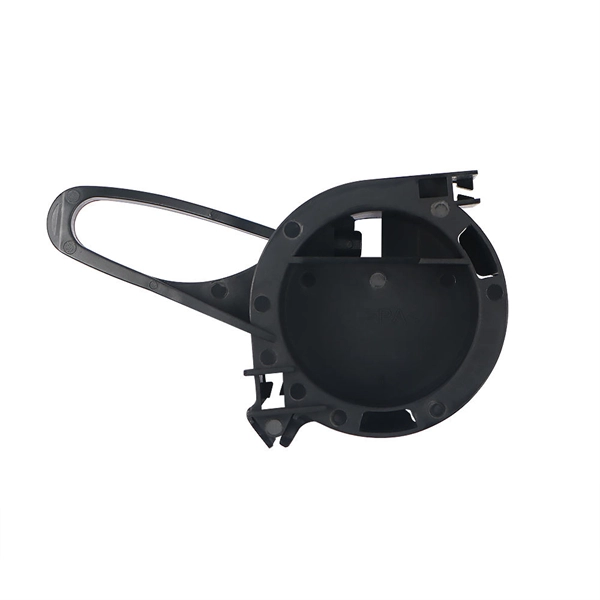
Armored fiber optic cables designed for direct burial cost $6-14 per linear foot. Conduit systems add $2-4 per foot but allow future cable additions. Compared with standard duct cables, direct burial solutions require stronger mechanical protection and enhanced moisture resistance, which naturally raises the overall cost. In the realm of optical fiber deployment, the choice between overhead and buried installation methods shapes network reliability, cost, and longevity. Direct burial is the most convenient laying method for fibre optic. In the absence of duct infrastructure, cables can be buried directly into the ground in a trench or using a vibratory plow. This breakdown gives you real numbers to build better estimates.
Prices typically range from $1. 00 per meter, with basic indoor multimode cables on the lower end and armored outdoor single-mode or ribbon cables on the higher end. single mode GYTA53 fiber optic cable and multimode. As industries expand their digital footprints, understanding the factors that influence the 24 core fiber optic cable price per meter becomes essential for planners, engineers, and procurement specialists. The pricing of a 24 core fiber optic cable per meter is not fixed and can vary significantly. 24 Core Fiber Optic Cable GYTY53 Outdoor Armored Double Jacket Waterproof Gel Filled loose tube direct burialGYTY53 fiber optic cable is the type of fiber optic cable used to transmit data over is long distance.
In practical terms, the current market range for a standard single-mode 24 core fiber optic cable typically falls between $1. Fiber-optic cable materials typically cost $1 to $6 per linear foot, depending on fiber count and cable type. Commercial building installations with 100-200 network drops generally range from $15,000 to $30,000. Single-mode fiber costs less per foot than multimode fiber, but it requires more. Buying fiber optic installation services involves several cost components, with total price influenced by length, location, and access. The main cost drivers include trenching or aerial deployment, materials, labor hours, and any required permits. Black multi-purpose cable with twentyfour cores, rodent protection and pulling aid on both ends.
All cables must be securely lashed to the messenger and/or cable (s) with no loose hanging cables along the span. These cables are normally provided with a metal laminate,( aluminum foil or corrugated steel tape), to protect them against moisture. (The cable can also be non-metallic). Individual company practices for placing. A Fiber Optic Tension Clamp is a fundamental component in the construction and maintenance of aerial fiber optic networks. These rules are referring primarily to “strand and lash” cables. Designed specifically for All-Dielectric Self-Supporting (ADSS) cables—fibers encased in a dielectric (non-conductive) jacket—these clamps secure cables to utility poles, towers, and other aerial structures, preventing sag, damage, and signal loss. This comprehensive guide explores the role of ADSS. Fiber optic cables enable high-speed, long-distance data transfer, forming the backbone of modern communication. Yet, outdoors, they face temperature swings, moisture, UV exposure, rodents, and human interference.
[PDF Version]Contact us for competitive quotes on any of our power communication and smart grid products
Get a Quote