
This leakage current is measured in milliamps 'mA' (1/1000 amp) and if the leakage current reaches a pre-determined level, usually 30 mA '0. 03 A' the device will operate and isolate the supply from the circuit. In addition to fault protection (protection in cases of indirect contact), residual current protective devices with rated residual currents up to 30 mA also provide “additional protection” in cases of direct contact. Fires caused by ground-fault currents can also be prevented at a very early stage. Subsequently, new types of RCD have been developed. This article. RCDs, or Residual Current Devices, are designed to monitor the electrical current flowing in a circuit and automatically disconnect the power supply if it detects an imbalance between the live and neutral conductors.
Residual current circuit breakers tripping problems can result from issues like moisture, faulty wiring, or damaged appliances. It is an essential electrical safety device designed to protect against electric shocks and fire hazards caused by ground faults or leakage currents. RCCB utilizes the residual current sensing method based on Kirchhoff's current law to detect ground. The Residual Current Circuit Breaker (RCCB), often known as a circuit breaker, is an electrical safety device that switches off the power supply quickly when it detects leakage that may result in an electric shock. If you've ever wondered why your RCCB trips unexpectedly, this. Have you ever experienced your lights going out or appliances shutting down due to a tripped residual current circuit breaker (RCCB)? This can be frustrating, but the RCCB is protecting you from electrical hazards.

Planar Lightwave Circuit (PLC) utilizes semiconductor processes such as photolithography, etching, and deposition to create optical paths on substrates, enabling the propagation of optical signals. They are widely used in telecommunications, data centers, and enterprise networks to ensure efficient signal management and. This paper is an overview of recent progress in PLC technology including optical power splitters, arrayed-waveguide gratings, thermo-optic switches, and hybrid integrated PLCs.
The change of low earth orbit temperature (−150 °C −150 °C) has a great influence on the normal operation of communication equipment in space station. In order to make the communication equipment i.
This section provides an overview of SIP trunk encryption, gateway encryptions and security profile setup tips. SIP trunks can support secure calls both for signaling as well as media; TLS provides signaling encryption and SRTP provides media encryption. SIP Gateway lets your organization use any compatible SIP device with Microsoft Teams to preserve your investments in SIP devices. Compatible devices can be Skype for Business IP. SIP is a text-based protocol modeled on the structure of HTTP and SMTP, enabling interoperability and integration with other Internet applications. From the Device Security Mode drop-down. To benefit from the latest communication and collaboration solutions, businesses are increasingly turning to Session Initiation Protocol (SIP) based networks. SIP is a widely adopted standard in the telecommunications industry, and it provides increased flexibility for inter-connectivity and everyday use.
[PDF Version]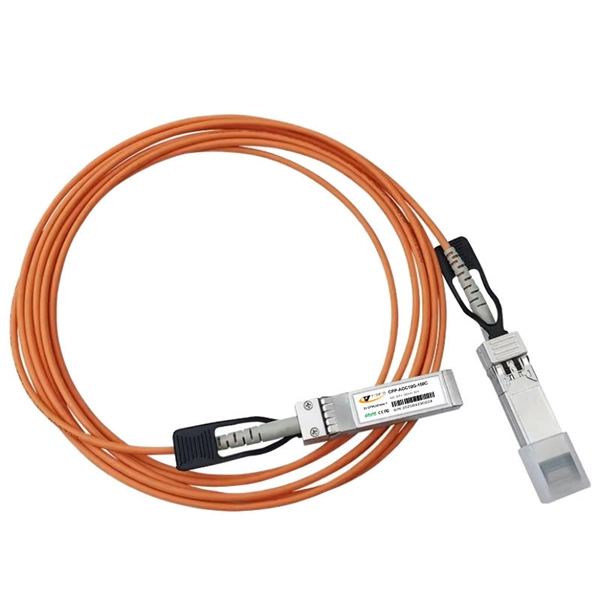
The various protective functions available on a given relay are denoted by standard. For example, a relay including function 51 would be a timed overcurrent protective relay. An overcurrent relay is a type of protective relay which operates when the load current exceeds a pickup value. It is of two types: instantaneous over current (IOC) relay and definite time overcurrent (DTOC) relay.
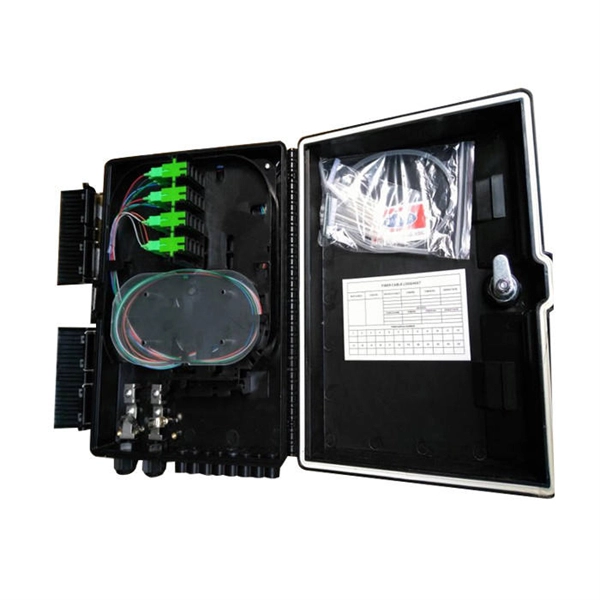
The EU EN 18031 certification introduces a new era of cybersecurity compliance under the Radio Equipment Directive (RED). This article. Network devices represent one of the core pillars of IoT, enabling the smart “things” to connect and communicate with each other. The standard is highly technical, divided into three detailed parts, and can be challenging to navigate without. From the CCDB established Working Group, the Network Device International Technical Community (ND-iTC) was formed. Since August 1, 2025, these requirements have been in full force.
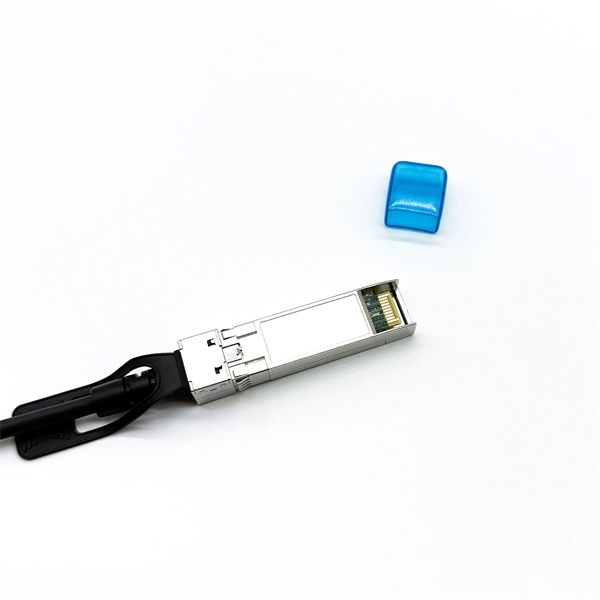
The primary application of fiber Bragg gratings is in optical communications systems. They are specifically used as. They are also used in optical and with an, or (OADM). Figure 5 shows 4 channels, depicted as 4 colours, impinging onto a FBG via an optical circulator. The FBG is set to reflect one of the channels, here channel 4. The signal is reflected back to the circulator where it is directed down and dropped ou.
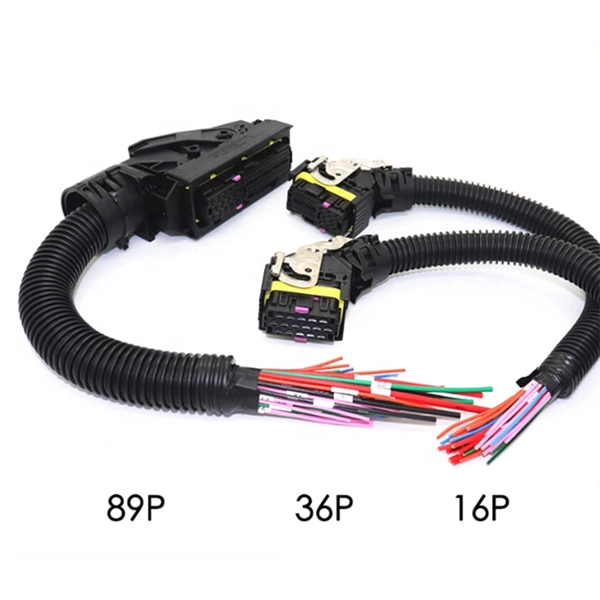
Optical communication, also known as optical telecommunication, is at a distance using to carry information. It can be performed visually or by using. The earliest basic forms of optical communication date back several millennia, while the earliest electrical device created to do so was the, invented in 1880.
Contact us for competitive quotes on any of our power communication and smart grid products
Get a Quote