
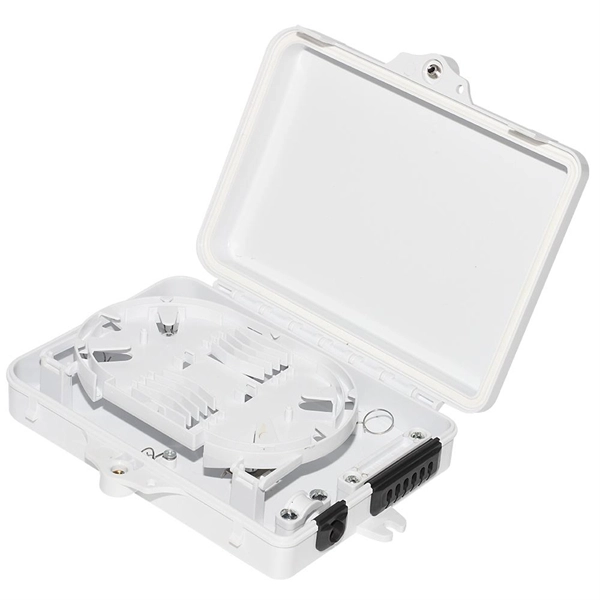
The best protection comes from boxes with IP66 or higher ratings—IP66 confirms complete dust-tightness and resistance to strong water jets. Weatherproof outdoor distribution boxes ensure reliable power distribution in challenging environments by protecting against moisture, dust, and temperature extremes. Unlike standard junction boxes, these distribution systems must. The Ingress Protection (IP) rating system is an international standard that measures how well electrical enclosures resist external elements. Skip the details now, and you're setting yourself up for failed inspections, expensive rework, and even safety hazards down the line.
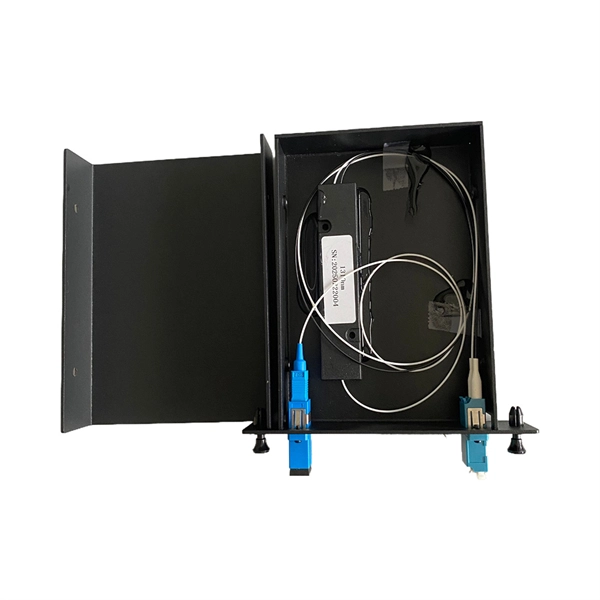
Defined by the IEC 60529 standard, IP ratings tell you exactly how well a box guards against solids (like dust) and liquids (like water). What is IP Protection? “ IP ” stands for “ ingress protection. ” This is. The IEC (International Electrotechnical Commission) and BS 7671 (British Standard for Electrical Installations) both provide essential requirements for electrical installations, including those for fuse boards like garage unit, consumer unit and distribution board. Protection is afforded against the following external influences: Note: the IP code applies to electrical equipment for voltages up to and including 72.
Successfully installing a new head unit requires a precise understanding of automotive electrical connections and proper preparation. Upgrading a vehicle's audio system often begins with replacing the factory head unit, also known as the car stereo receiver. The most important connections are power, ground, and speaker wires, which must be correctly identified and attached for optimal performance. Start. ⚠️ Reversing these wires can drain your battery or damage electronics! • Always has power (even when car is off) • Maintains radio memory and clock • Connect to yellow wire on head unit ⚠️ WARNING: Never reverse these connections! Connecting yellow to red or red to yellow will drain your battery or. If you're planning to upgrade your car sound system, one of the most important parts of the process is making sure your new head unit matches your overall setup. Whether you're a total beginner or a seasoned DIY installer, following the right car audio installation steps can prevent wiring issues. When it comes to installing a new head unit in your car, one of the first things you'll need is a wiring diagram.
[PDF Version]
To remove a breaker, first shut off the main power at the panel box and verify it's off with a voltage tester. Working inside an electrical panel, commonly called a breaker box, is an advanced home maintenance task that demands meticulous attention to safety. The panel is the distribution point for high-voltage electricity entering the home, and improper handling can result in severe shock, arc flash, or. It is a simple task to remove a breaker from a panel, but it might be challenging for people without experience. As you will be dealing with live wires. more In this video, we show you how to remove a breaker. Before you start, gather the following materials: The first and most crucial step is to turn off.
The various protective functions available on a given relay are denoted by standard. For example, a relay including function 51 would be a timed overcurrent protective relay. An overcurrent relay is a type of protective relay which operates when the load current exceeds a pickup value. It is of two types: instantaneous over current (IOC) relay and definite time overcurrent (DTOC) relay.
Contact us for competitive quotes on any of our power communication and smart grid products
Get a Quote