
Arista AOC-D-D-400G-10M (100% Compatible) 425Gb/s 400GBASE-AOC QSFP-DD to QSFP-DD MMF 10m Active Optical Cable - 5 Year Warranty!Arista AOC-D-D-400G-10M (100% Compatible) 425Gb/s 400GBASE-AOC QSFP-DD to QSFP-DD MMF 10m Active Optical Cable - 5 Year Warranty!The 1-meter QSFP-DD 400G Active Optical Cable (AOC) from BlueOptics sets new standards for use in data centers, enterprise networks, and modern IT infrastructures that require the highest data rates and stable connections. This cable enables ultra-fast transmissions of up to 400 Gbps, meeting the. Discover QSFPTEK 400G AOC active optical cables. They are ideal for connections between 400G switches within the data center, or for connecting to server NICs. Using integrated optical transceivers at each end, AOC cables. The 400G QSFP-DD active optical cables are designed for use in 400 Gigabit Ethernet links over OM4 multimode fibres, and contain eight multi-mode fibres (MMF) optic transceivers per end, each operating at data rates of up to 53Gb/s. This active optical cable is compliant with IEEE 802. Save 80%, Fast shipping & 5-year warranty.
[PDF Version]
The Active Optical Cable QSFP+ to QSFP+ (AOC) is a high-performance, low-power, multimode OM3 fiber optic cable with a QSFP+ 40 Gbps-rated transceiver module on either end. It complies with 40GBASE-SR4/QDR and integrates four data lanes with an aggregate bandwidth of. DESIGNED FOR USE IN 40 GIGABIT ETHERNET APPLICATIONS. COMPLIANT WITH THE QSFP MSA AND IEEE 802. 3BA Amphenol provides a series of 40G QSFP+optical module products, including SR4, eSR4, IR4, LR4, ER4 lite, AOC and AOC breakout series. This AOC is compliant with the SFF-8436 QSFP+ MSA standards. It provides a cost-efficient solution as compared to using discrete optical transceivers and optical patch cables and. Molex's low-power AOC integrated cable solutions provide less expensive, reliable transport for aggregated data rates up to 40 Gbps.
DACs are copper-based cables with fixed connectors on both ends, typically used for short-distance, high-speed connections. There are various connection solutions available for switching networks, such as optical modules + optical fibers, Active Optical Cables (AOC), and Direct Attach Cables (DAC). DAC can be further categorized into active ACC, AEC, and passive DAC. This guide provides a comparison of AOC vs. In this article, I have gathered all the essential information regarding DAC cables to provide you with a. Owning the strengths and weaknesses of the cable choices—SFP+ DAC cables or optical modules—will help you streamline your decision-making process to determine which solution is best for your circumstances. By the end of our discussion, you will be able to draw a comparison between both technologies. 10Gtek has developed a "matrix cable" to realize coordinated calculation of multiple groups of computing units and to distribute computing power faster in supercomputing.
[PDF Version]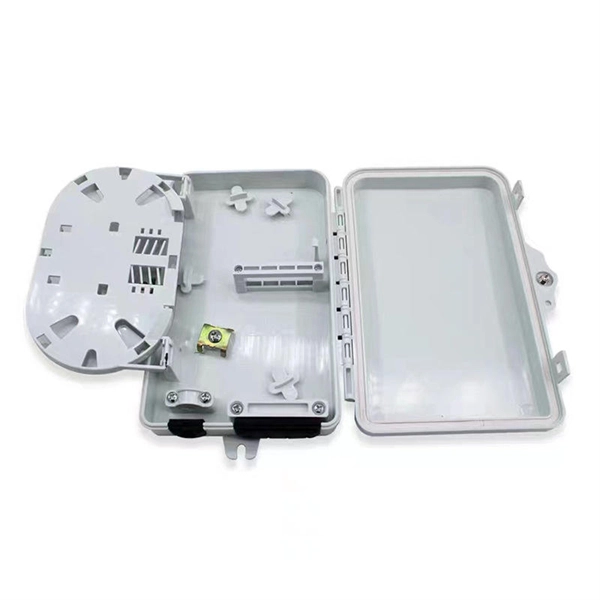
Cable trays are mechanical support systems that provide a rigid structural system for electrical cables, raceways, and insulated conductors used for electric power distribution, control, signal instrumentation, and communication. Normally, these cable trays are used in the industries.
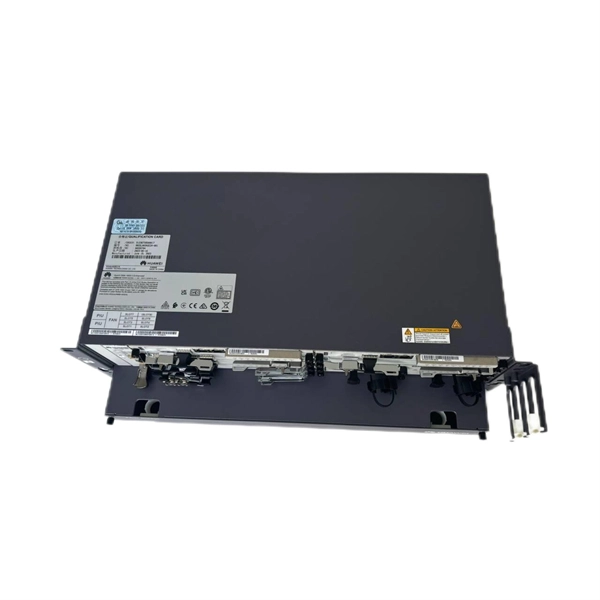
There are 2 methods of splicing, mechanical or fusion. Fiber optic splicing involves joining two fiber optic cables to create a continuous optical path. Unlike using connectors, which are designed for frequent connection and disconnection at patch panels, splicing creates a permanent, stable joint with minimal light loss. Either joining method must have three primary characteristics. In this guide, we cover the basics of fiber optic splicing, how to perform splicing using two different methods, and finally some best practices to perform good fiber splicing.
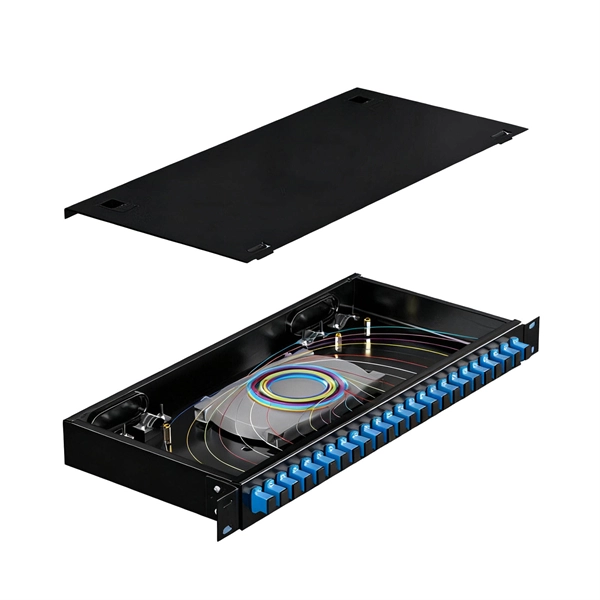
The 144 cores dome type fiber optic splice closure come with 2 inlets and 4 outlets, which is including 6 splice trays, each accommodating 24 fibers. It can be installed on aerial, in manholes, ducts and mounted on poles. The closure provides reliable sealing performance, and fiber splicing point protected in a ribbed polypropylene. The DA-FOSC-IM144-H9-1 fiber splice closure is a professional-grade solution for protecting and organizing fiber optic splices in demanding environments. This product is made of the high-quality PC and with the mechanical sealing structure filled with the sealing material.
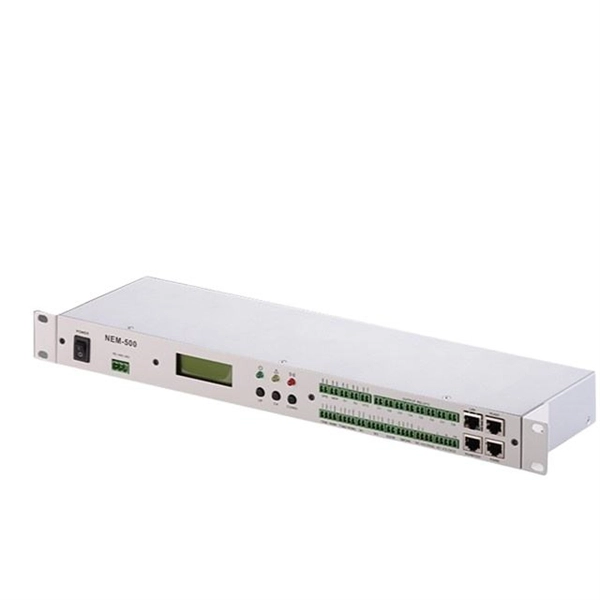
To test fibre splicer quality, begin by inspecting cleave angles and fibre cleanliness. Next, confirm arc calibration and alignment using the splicer's splice loss estimation. Follow up with OTDR or ILM testing to validate results. In this guide, we'll explore what splicing of fiber entails, why it's important, and dive into the key methods and tools. Fusion splicing is the process of fusing or welding two fibers together usually by an electric arc. Fusion splicing is the most widely used method of splicing as it provides for the lowest loss and least reflectance, as well as providing the strongest and most reliable joint between two fibers. fCONSTRUCTION QUALITY REQUIREMENTS FOR FTTP & SSP Work Orders This document provides Construction Technicians, Construction Managers, FTTP/SSP Vendors, and Inspectors with the essential information to ensure a quality build and to successfully pass an Outside Plant Inspection. This testing. This Applications Engineering Note (AEN 135) explains and recommends standard measurement methods for characterizing optical fiber system performance.
[PDF Version]Contact us for competitive quotes on any of our power communication and smart grid products
Get a Quote