
It is conventional to have the top row of jacks wired at the rear to outputs and bottom row of jacks wired to inputs. Patch bays may be half-normal (usually bottom) or full-normal, "normal" indicating that the top and bottom jacks are connected internally. When a patch bay has bottom half-normal wiring, then with no patch cord inserted into either jack, the top jack is internally linked to the bottom jack via break contacts on th.
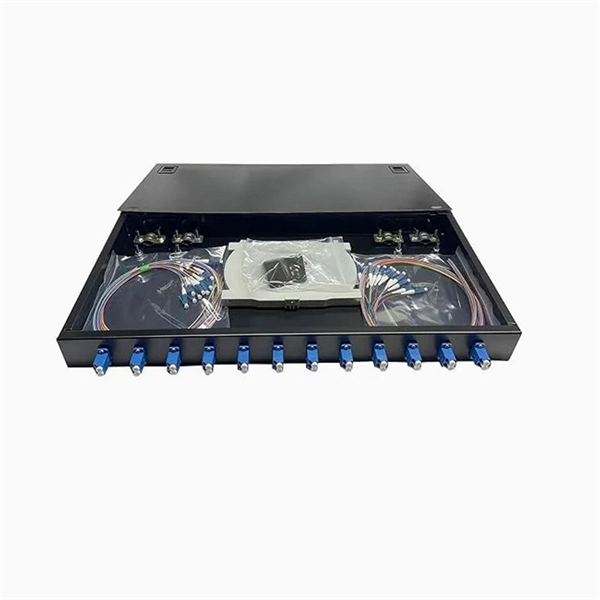
Relying on fiber optic pigtails, which patch panels are connected with using fusion splicing or mechanical splicing, ensures that installation time and reliability are achievable. Customization Available: Terminated pre-pigtails labeled and/or color-coded for convenience. A fiber optic patch cord is a short-length cable (typically 1–10 meters) with pre-terminated connectors on both ends. Its primary function is to connect active network devices (e. Think of it as a. Fiber pigtails are simple in appearance, yet essential in function. You fuse it to a. A fiber optic cable is the physical transmission medium containing one or multiple optical fibers protected by layers of strength members and jacketing It is typically used for: Common types include: In practice, “fiber cable” is often used as a simplified term, but “fiber optic cable” is the more. Pro Tip: Select modular patch panels if your need for consistent upgrade or modification of port configuration. The difference in this core positioning determines the vast disparity between them in structure, connection methods and application scenarios.
[PDF Version]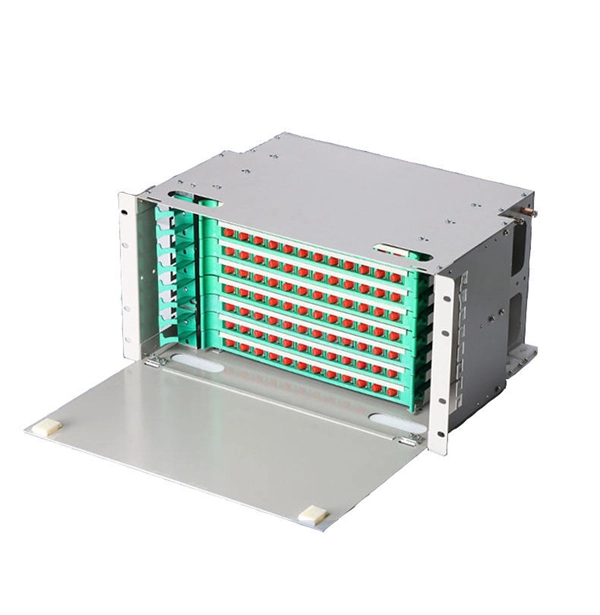
Termination boxes for fiber optic installations in indoor environments. Applications include: FTTH, FTTB, FTTC, Telecommunication Network, CATV, or Local Area Network. Designed for wall or pole mount—indoor or weatherproof outdoor—these boxes support fiber splicing, adapter patching, and neat cable entry with optional splitter or UPC/SC adapter slots. Our patch panels and splice boxes ensure the proper connection. Our assortment of Wall Mount Fiber Optic Enclosure panel products includes: Single and dual door fiber optic wall mount enclosures keep your patch panels, connectors, and additional wall mount fiber enclosure components safe and secure. It is a cost-efficient wall mount fiber patch panel for low-density fiber cablings.
High density: 1U up to LC 96 cores/SC 24 cores. Three adapter panels for capacity expansion. ODF patch panel is a modular system that is suitable for optical cable installation, bare fibers splicing&protection and pigtails storage&management The 24 core rack mount distribution frame ODF patch panel is a reliable and efficient fiber management solution for your fiber optic network. This. FLK-DPP-24F is a Drawer type patch panel made with metal sheet, it is with rails on both side and its open way is slide out & drawer type, it is very easy and convenient for installation, operation and maintenance. We can manufacture and supply a wide range of ODF with 20+ years of experience. Indoor/outdoor Wall Mount Fiber Optic Patch Panel ODF Terminal Block Box Waterproof Cabinets 24 48 72 96 144 Core White FTTH. Designed for reliability and ease of use, our rack-mount and wall-mount solutions provide the perfect environment for splicing, terminating, and managing your critical fiber optic connections. Only logged in customers who have purchased this product may leave a review.
[PDF Version]
Detects direct patch cord connections between the switch and the intelligent patch panel (connected to horizontal cabling). Whether you're managing a data center, enterprise network, or small office, mastering patch panel installation and cable management is essential for maintaining a robust, future-proof network. The forward-facing side of an RJ45 patch panel features a row of keystone ports that connect to switches, and the rear-facing side is equipped with IDC termination modules for connecting workstation cables. Patch panels are one of the best ways to manage an expansive local area network (LAN) by providing quick and easy access to the ports and connections that connect them altogether. IAD uses discovery messages included in industrial protocols such as Common Industrial Protocol (CIP) and Profinet to discover these details. Here's a comprehensive guide on how to connect a.
[PDF Version]
A fiber optic pigtail is a short length of optical fiber —typically 0. 5m to 2m—that has a factory-terminated connector on one end and bare fiber on the other end., switches, routers, transceivers) to passive components (e., patch panels, ODFs) or other devices. Pigtails are available in various fiber types, such as single-mode or multi-mode, and connector types, including SC, LC, ST, or FC.
Contact us for competitive quotes on any of our power communication and smart grid products
Get a Quote