
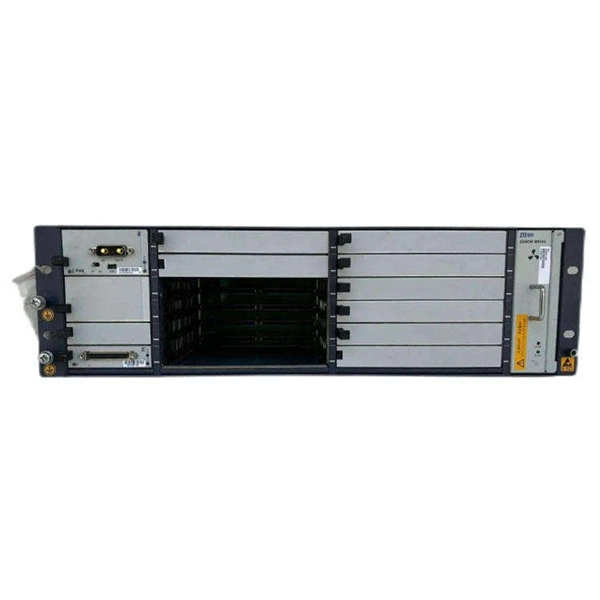
These MEMS single mode switches are designed to be easily integrated into optical systems. The highly reliable MEMS technology is characterized by a long lifetime, high reliability, and high durability (max 3 x 10 9 cycles), making these suitable for use as OEM. Sercalo's optical MEMS switches are the best choice for optical switches in Network supervision and optical test and measurement because they exhibit solid state reliability, ultra small insertion loss and long-term stability. Since 1999 Sercalo Microtechnology Ltd. The switch is packaged to. Silex is the leading pure-play MEMS foundry globally, and the first choice for the world's MEMS visionaries. As the world's. We lead the industry in optical switch technology, delivering the lowest insertion loss (0. 2 dB), fastest switching speed (10 ns), broadest wavelength range (300–2400 nm), widest fiber compatibility, highest optical power handling (50 W), and space-qualified reliability.
[PDF Version]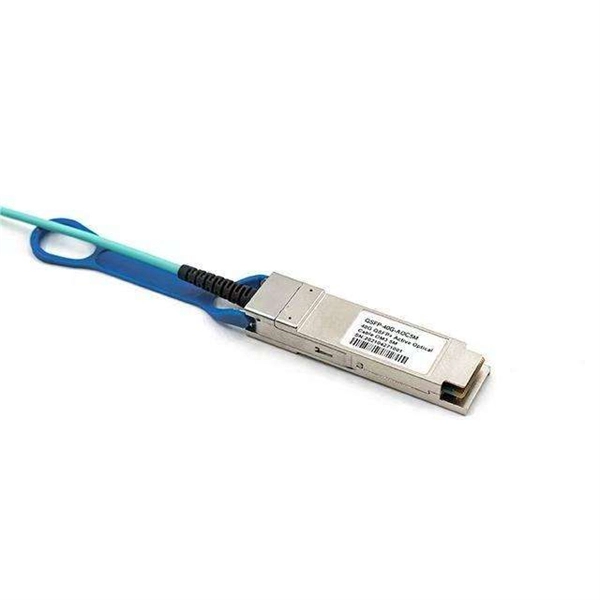
A DAC cable is a pre-terminated copper twinax cable with factory-attached transceiver ends — usually in SFP+, QSFP+, QSFP28, or QSFP-DD form factors. It provides an electrical connection between ports, eliminating the need for separate optical transceivers and patch cords. Direct Attach Cable (DAC) vs Active Optical Cable (AOC): Which One Should You Use? DAC uses twinax copper for ultra-short, low-power links (<3 m), while AOC uses optical fiber for longer distances (up to 100 m) with better flexibility and EMI immunity. However, ensuring compatibility is key to performance and stability. Copper has a length or reach limitation of less than 5 meters and two different optical technologies enable using different technologies for the least cost to fit the application. While transceivers and patch. Direct attach copper (DAC) cables are designed to work with fiber optic networks.
[PDF Version]
Optical modules and switches, as core network hardware, form a closely interdependent and symbiotic relationship—optical modules are the "extension arms" of switches that overcome transmission limitations, while switches are the "command center" for optical modules to function. Their cooperation is. Co-Packaged Optics (CPO) is an optoelectronic co-packaging technology that integrates an optical module (responsible for optical signal transmission and reception) and a switch ASIC (responsible for electrical signal processing) into the same physical package. Unlike traditional pluggable optical. Its main function is to convert between electrical and optical signals during optical signal transmission. Figure 20-30 shows how an optical module works. These compact yet powerful devices serve as the bridge between electrical. This paper first summarizes the topologies and traffic characteristics in data centers and analyzes the reasons and importance of moving to optical switching.
[PDF Version]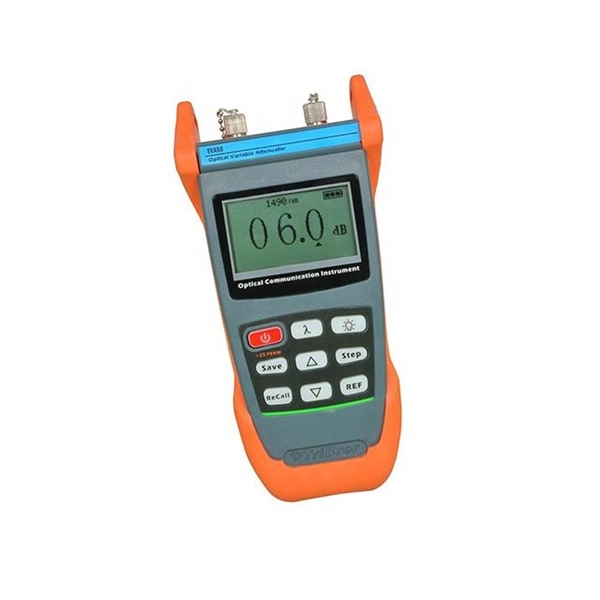
Optical modules and switches, as core network hardware, form a closely interdependent and symbiotic relationship—optical modules are the "extension arms" of switches that overcome transmission limitations, while switches are the "command center" for optical modules to function. For details about the optical modules supported by optical ports on switches, see "Appearance and Structure" of a specific switch model in the Hardware Description. You can also use the Hardware Center to query the. SFP (Small Form-factor Pluggable) is a compact, hot-pluggable network interface module used to connect network devices (switches, routers, firewalls) to fiber optic or copper cables. The connection between two or more Ethernet switches in a certain way (Uplink port, etc.
Mechanical Optical Switches: Switching times typically range from 1-10ms, suitable for long-distance transmission scenarios where latency is not critical (such as backbone network protection switching). Solid-State Optical Switches: Based on thermooptic or electrooptic effects, response time can be. OPTO-TOUCH Optical Touch Buttons are zero-force ergonomic replacements for mechanical push buttons. Momentary-action touch buttons with electromechanical relay or solid-state outputs. 2 dB), fastest switching speed (10 ns), broadest wavelength range (300–2400 nm), widest fiber compatibility, highest optical power handling (50 W), and space-qualified reliability. Backed by over 25 years of. Optigo Connect Spectra is an efficient and flexible network that fits any smart building and reduces cabling cost while increasing reach.
This document describes how to check the switch interface or port status and how to locate an interface physically down fault and restore the interface to the up state. Hardware failures: include hardware. Problem: All optical ports cannot be connected, and the indicator lights are not on. Perform a. HUAWEI S Series Switch-Handle an Optical Interface's Failure to Go Up video provides guidance on how to handle an optical interface's failure to go Up. During use, reading optical module information helps understand its real-time operating status, enabling faster troubleshooting of link abnormalities. Sample Output: (Can see link down and not receiving any power from the neighboring device) Or can do filtering:. I'm trying to find an explanation for why when an optical gig port on an NE40 is configured with autoneg disabled, the interface still passes traffic without error, but causes the connected ADVA interface to show as down, while it is also passing all the traffic it is supposed to.
[PDF Version]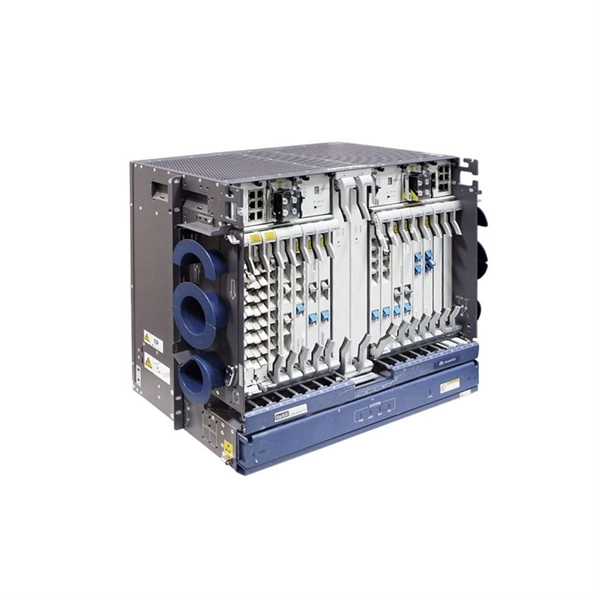
With investment of more than €300 million and spanning over 9,000km, the Medusa fibre optic cable will connect Africa with Europe by 2026. Explore cable routes, landing stations, system status and infrastructure updates. TeleGeography's comprehensive and regularly updated interactive map of the world's major submarine cable systems and landing stations. The deployment will bring faster, more reliable connectivity to millions, enabling 5G, cloud, and AI-era technologies, and laying the foundation. Africa Coast to Europe (ACE) is an optical-fiber submarine cable system serving 24 countries on the Europe, west coast and south Africa, managed by a consortium of 20 members.
Shop for Optical Power Meters and other Fiber Optic Test at the Test Equipment Depot. FREE Shipping on orders over $75!This fiber optic tester is designed for field technicians, installers, and network maintenance teams that need a portable tool for checking optical signal levels and locating fiber faults. Looking for a good deal on Optical power meter? Explore a wide range of the best Optical power meter on AliExpress to find one that suits you! Besides good quality brands, you'll also find plenty of discounts when you shop for Optical power meter during big sales. Free shipping on many items | Browse your favorite brands | affordable prices.
The outermost layer — the jacket — protects the entire cable from environmental threats. Using the wrong type can violate building codes or cause premature failure. The primary coating may be applied in a single or dual layer. Different types of cable are used for fiber-optic communication in different applications, for example long-distance. The coating is a thin plastic layer applied directly over the cladding. Its job is mechanical protection — not optical performance. Without this layer, glass fibers would break easily during handling or installation. Common coating diameters: Most coatings are colorless, but some are tinted for. Optical fiber coatings are an essential aspect of fiber optic technology, providing crucial protection and ensuring the integrity of the glass fiber. These coatings act as a shield against potential hazards such as moisture, abrasion, and handling, thereby minimizing defects and ensuring optimal. The coating enables the fiber to withstand the mechanical rigors of manufacturing, testing, cabling, and installation, allowing the waveguide to be deployed over long distances without breaking or suffering signal loss.
[PDF Version]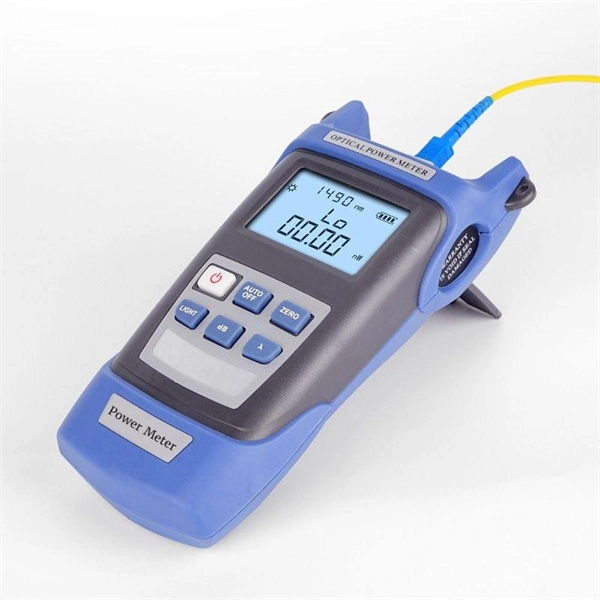
XFP Optical Modules are defined by the XFP Multi-Source Agreement (MSA). They support hot-swappable operation and protocol-independent transmission, which makes them suitable for a wide range of 10G applications. XFP is a. The Cisco ® XFP Module (Figure 1) offers customers a variety of 10 Gigabit Ethernet and Packet-over-SONET/SDH (POS) connectivity options for data center, enterprise wiring closet, and service provider transport applications. Built-in digital diagnostic monitoring (DDM) functionality is available for designated SFP types, allowing users to monitor the unit's transmitter optical output power, receiver input optical power, internal temperature, supply voltage and transmitter bias curre r single-mode. An XFP transceiver (10 Gigabit Small Form-factor Pluggable) is a hot-swappable optical module designed for high-speed telecom and carrier networks. SFP 1000BASE-SX Gigabit Ethernet optic module. Moreover, these modules commonly operate at wavelengths of 850 nm, 1310 nm, and 1550.
[PDF Version]Contact us for competitive quotes on any of our power communication and smart grid products
Get a Quote